
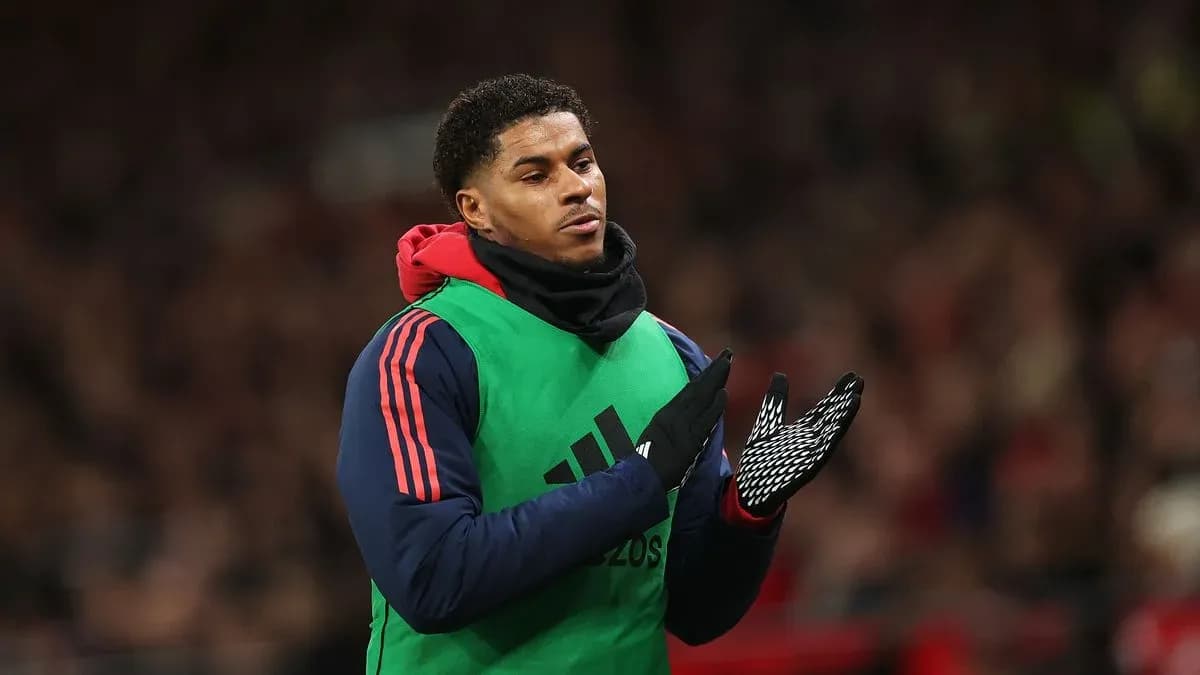
Marcus Rashford's Salary Surge Linked to Champions League Return
Marcus Rashford’s pay packet is heading back towards the elite bracket – and it’s not because of anything he did on the pitch last season.
A Champions League clause embedded in his Manchester United contract has been triggered by the club’s return to Europe’s top competition, handing the forward an annual boost of around £4million despite him playing no minutes for the Reds in the previous campaign.
Old clauses, new reality
United’s contracts used to be simple in this area: qualify for the Champions League and the squad got paid. Miss out and everyone took a hit. When Erik ten Hag’s side finished third in the Premier League to reclaim a place at Europe’s top table, that old framework kicked back in for a select group whose deals were signed under the previous regime.
Rashford is at the front of that queue. The England international’s contract includes a 25 per cent uplift linked to Champions League qualification. With his base wage already hefty, the bump takes him back above £300,000 a week, with the increase alone worth roughly £4m per year.
He is not alone. Mason Mount, who arrived at Old Trafford around the time Rashford penned his new deal, is working off a similar structure. His clause will cost United an extra seven-figure sum in wages over the coming season, more than £1m added to the bill for a player who only managed around half of the new minutes threshold last term.
Andre Onana, another of that summer’s major arrivals, also benefits. His salary is currently being covered by loan club Trabzonspor, sparing United an even larger immediate outlay, but the clause still applies to his deal.
The 60 per cent rule
Those legacy contracts now sit awkwardly alongside a harder-edged policy introduced since. United have moved to protect themselves by tying Champions League bonuses to actual game time. Under the new rules, players must have featured in more than 60 per cent of the previous season’s minutes – just over 2,000 in total – to unlock the European pay rise.
That change would have shut the door on a windfall for both Rashford and Mount based on last season’s involvement. Rashford spent the campaign elsewhere, Mount barely reached half the required minutes. Under today’s criteria, neither would see a seven-figure bonus.
Joshua Zirkzee offers a different example. Signed before the new rule came into force and falling short of the 60 per cent threshold last season, his wages stayed flat, his deal not carrying the same Champions League uplift.
The contrast underlines why United have tightened the system. Champions League football remains a financial lifeline, but the club now expects its biggest earners to be central figures, not peripheral beneficiaries.
Transfer plans tangled in wages
All of this feeds directly into United’s current transfer frustrations. Rashford and Onana have both been made available for permanent moves, yet the club has struggled to find takers willing – or able – to absorb their salaries and bonus structures.
Rashford’s situation is particularly stark. He impressed during his loan spell at Barcelona, enough for the Catalan side to consider a permanent deal before ultimately stepping back for financial reasons. The sheer weight of his contract, swollen again by Champions League bonuses, helps explain why United were so keen to cash in.
That stance has softened. A significant U-turn now leaves it increasingly likely he stays at Old Trafford, not as a distressed asset to be shifted off the books, but as a player the club may have to reintegrate while still wrestling with the cost of his deal.
In the background, the numbers bite into United’s summer plans. With a swollen wage bill and Champions League clauses inflating costs, the club has had to tread carefully in the market. Smart, opportunistic deals for Youri Tielemans and Andrey Santos offered some relief, but pursuits of Elliot Anderson and Mateus Fernandes stalled under the weight of the figures involved.
The consequence is clear: funds for a third midfielder may no longer be there. Attention is drifting instead towards a new left-back and a centre-forward, with priorities reshaped by a spreadsheet as much as a scouting report.
At a club built on big names and big nights in Europe, United are discovering that the fine print of yesterday’s contracts is dictating what tomorrow’s squad can look like.




