Marcus Rashford's Future: Financial Decisions Over Footballing Talent
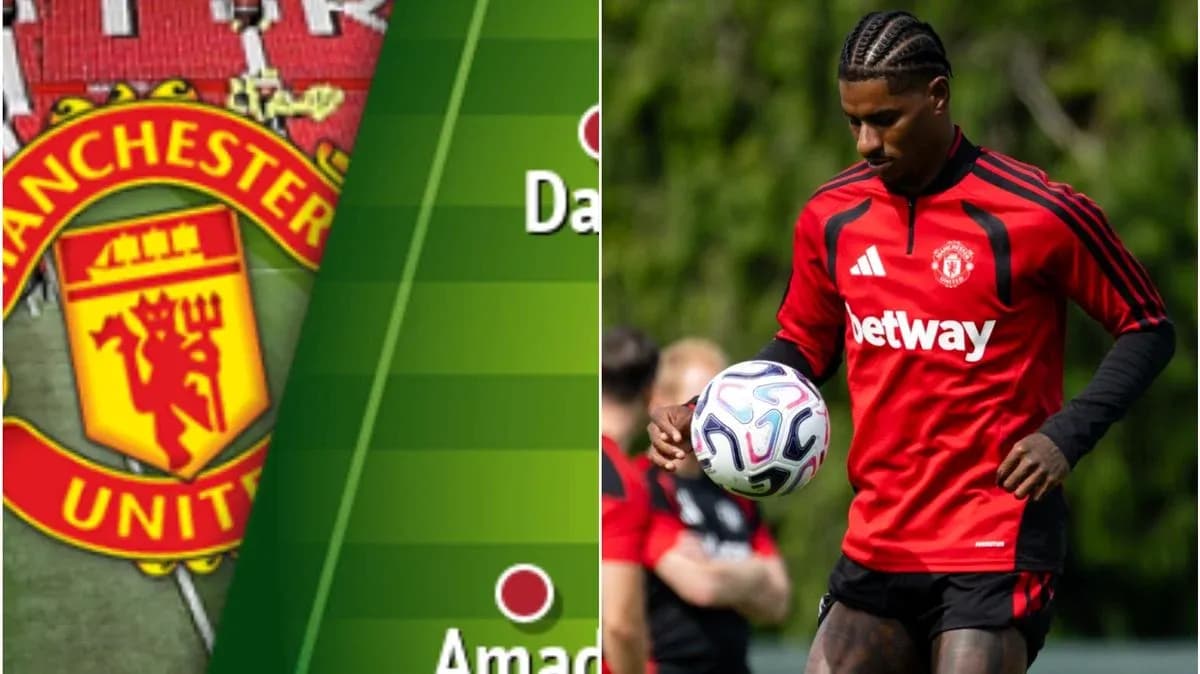
Manchester United’s Marcus Rashford dilemma is not about touch, talent or temperament. It is about a calculator.
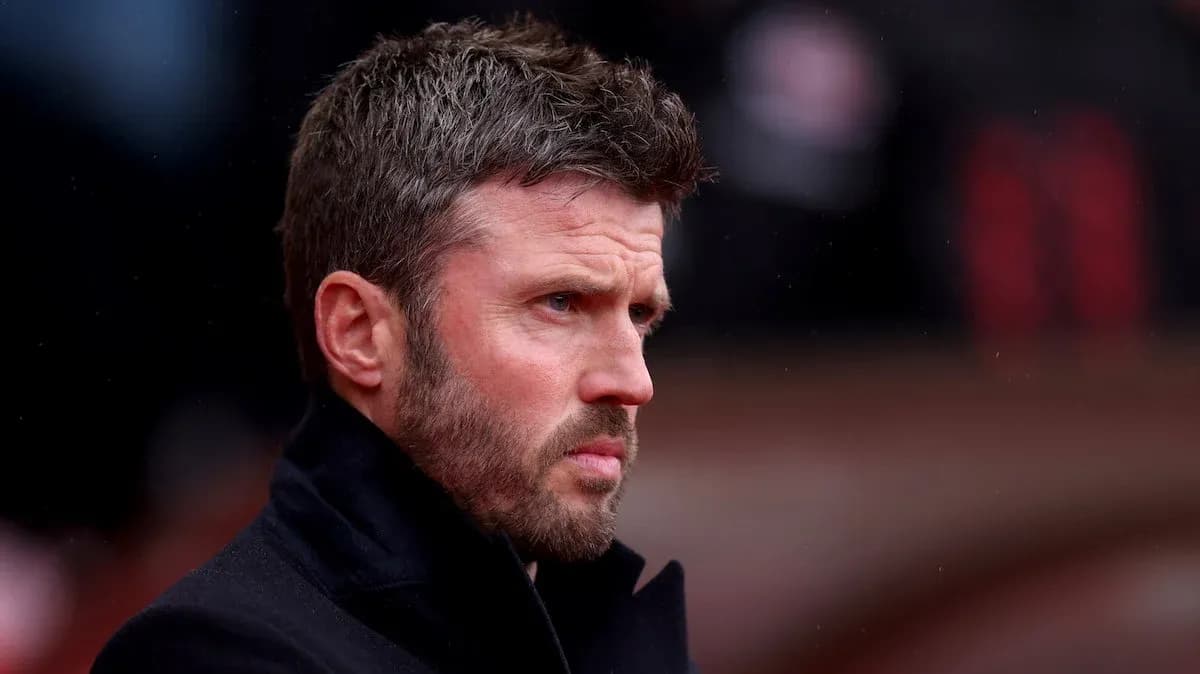
Michael Carrick wants him. The club’s recruitment plans haven’t delivered the wide players they really wanted. Yet United, now driven by INEOS logic, remain set on selling a 28-year-old forward who, not long ago, was the face of the club.
So why are they so determined to move him on?
A local hero, a global wage
Rashford’s exclusion under Ruben Amorim in December 2025 was framed as a disciplinary issue. Late nights, late for meetings, the usual whispers. But behind the moralising sat a far more powerful force: money.
Rashford earns around £325,000 a week once his Champions League bonus kicks in, a standard United clause that inflates the headline figure. His deal runs to 2028. Over the next two years, the club are tied into paying him close to £34 million.
On any balance sheet, that is a colossal liability for a player who spent 18 months badly out of form before clashing with Amorim.
From INEOS’s point of view, the equation is brutal. If a premium asset is underperforming, you move it on. You don’t double down. You don’t indulge sentiment. You cut.
Sir Jim Ratcliffe’s regime has made trimming the wage bill a core principle since he became co-owner in 2024. Casemiro was the first high-profile example: the club resisted the emotional “One More Year!” push from fans because another season would have cost roughly £350,000 a week. They walked away.
The same hard line now applies to Rashford. Amorim wanted him gone. Carrick, by contrast, is ready to bring him back into the fold at Carrington. The hierarchy’s stance hasn’t shifted.
This is not really about his influence in the dressing room, his relationship with the manager, or even his current output. Erik ten Hag once called Rashford “unstoppable” a week after dropping him for turning up late. Managers can forgive. Spreadsheets do not.
At Old Trafford, the decision is being made not on the grass but in the offices at M16, where the bottom line speaks louder than any chant from the Stretford End.
Pure profit, pure calculation
Rashford’s greatest strength in this debate is also his greatest weakness: he is a homegrown player. From a PSR (Profits and Sustainability Rules) perspective, that makes him pure profit.
Any transfer fee United receive for him goes straight into the books as gain, with no original transfer cost to offset. That is gold dust in the current regulatory climate.
The club knew this when they agreed a loan to FC Barcelona last summer that included a £26 million buy option. The figure looked low for a player of Rashford’s profile, and Barcelona ultimately walked away from making it permanent. But even that “cheap” fee would have been a huge boost to United’s PSR position.
The principle hasn’t changed. Any reasonable offer now will help fund a replacement and clean up the accounts in one move. For INEOS, that is the attraction: sell an academy product for a sizeable fee, remove a huge salary, and recycle the money into a younger, cheaper winger.
Cold. Efficient. Entirely consistent with their approach.
The Summerville trade-off
This is where the football argument starts to kick back.
United are scouring the market for a new left-sided attacker, but the names they are now pushing hardest are not better footballers than Rashford. They are simply cheaper.
Crysencio Summerville sits at the top of that list. The West Ham United winger is understood to be the “No.1 target” this summer, with United hoping to exploit the Hammers’ relegation from the Premier League in May.
West Ham, though, have not blinked. They want around £50 million, and Summerville’s impressive World Cup with the Netherlands has only strengthened their resolve.
On the face of it, £50 million for a player with 10 goals and eight assists in 84 Premier League appearances over four seasons is steep. But the numbers look very different when you run them the way INEOS do.
A £50 million fee spread across a five-year deal equates to £10 million a year in amortisation. Summerville is thought to earn about £50,000 a week at the London Stadium and wants that doubled to £100,000 at his next club. Over a season, that is roughly £5.2 million in wages.
So for next season, Summerville would cost United just over £15 million in PSR terms: £10 million in transfer amortisation, £5.2 million in salary.
Rashford’s wages alone for 2026/27 are projected at about £16.9 million.
On a spreadsheet, the choice is obvious. Summerville is younger, cheaper annually, and has a potential resale value. In two years, Rashford would walk away for free, close to his 31st birthday. Summerville would still be short of his peak.
From a purely financial angle, the swap is logical. From a football angle, it is a lot harder to justify.
The footballing reality
Strip away the numbers and ask a simple question: is Crysencio Summerville a better player than Marcus Rashford?
Almost nobody inside the game would say yes with a straight face.
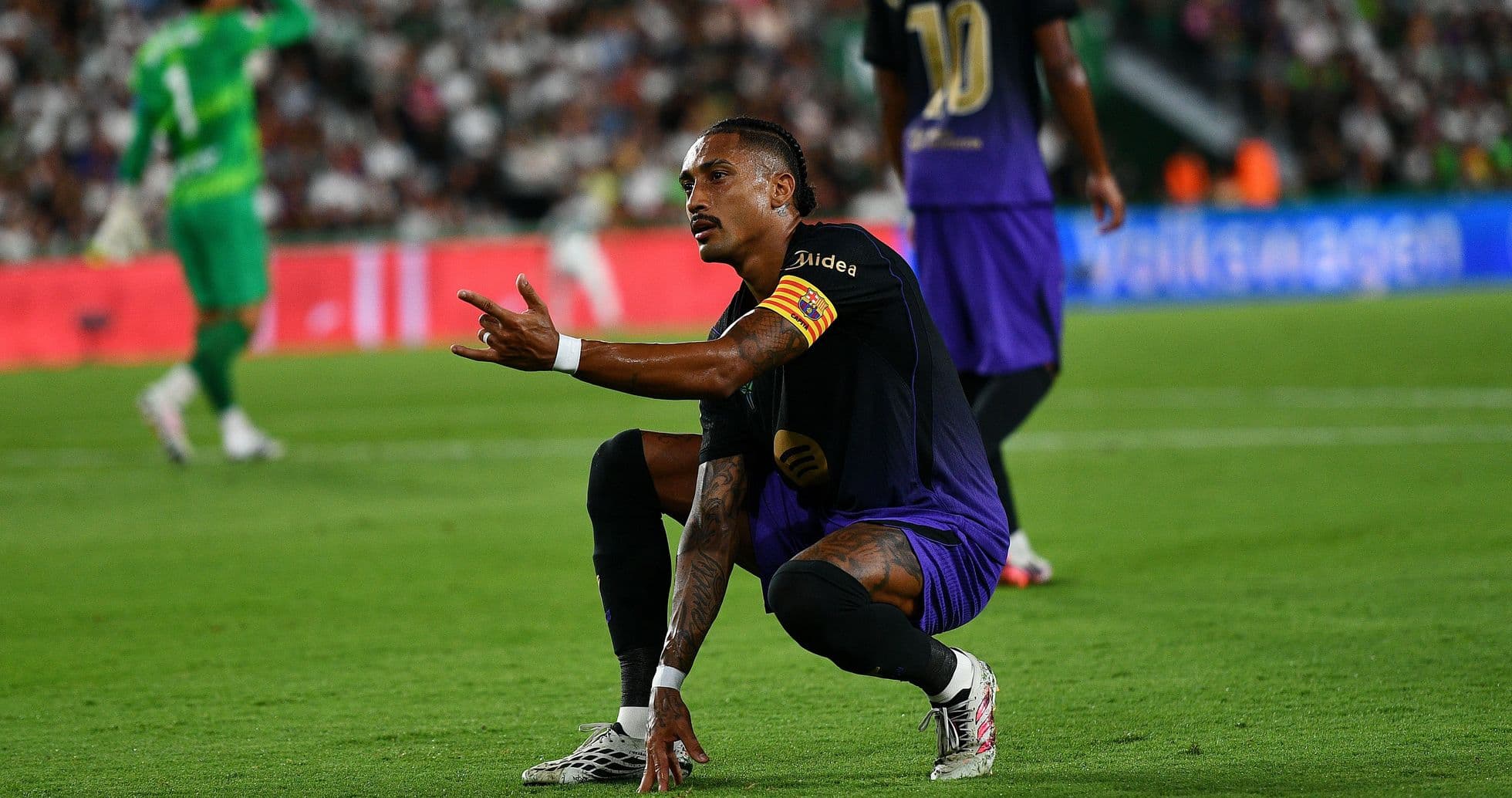
Rashford’s Barcelona loan was not a disaster. Used largely from the bench, he still delivered more assists in his debut La Liga season than Summerville has managed in four Premier League campaigns. Barcelona did not want to pay a transfer fee, but they were interested in bringing him back on loan. They clearly felt his wages could be justified at the right price.
If a Champions League heavyweight is prepared to carry his salary, why is United so eager to escape it?
The answer loops back to structure. At Barcelona, Rashford would have been a high-earning loanee. At United, he is a long-term, top-tier earner, tied into a contract that no longer matches his status in the squad. For INEOS, that is the problem: not the player, but the deal.
There is another twist. United are not even leading the chase for Summerville. AS Roma are in talks with West Ham and, according to reports, already have the player’s approval for a move to the Italian capital.
So United are pushing to sell Rashford for financial reasons, targeting an inferior replacement for financial reasons, and might still lose that target to Roma.
The risk is obvious: you weaken the squad, lose a proven goalscorer, and do not even secure the cheaper alternative.
Targets missed, questions mounting
This was not the original plan.
Heading into the summer, United’s preferred options for the left flank were RB Leipzig’s Yan Diomande and Aston Villa’s Morgan Rogers. Both were viewed internally as clear upgrades on Rashford, players who could transform the position and justify a major outlay.
Then reality bit. The fees involved for Diomande and Rogers pushed them beyond United’s budget, especially with a major midfield rebuild already ring-fenced as the priority. The club pivoted down the market, and Summerville became the most realistic target.
That shift changes the complexion of the Rashford debate.
If you can sell him to fund a truly elite wide player, the sporting logic lines up with the financial one. You accept the pain of losing a local hero because the upgrade is obvious.
If the alternative is a downgrade, the question becomes far more uncomfortable: are United really prepared to sacrifice quality on the pitch to tidy up a balance sheet?
Carrick’s stance suggests he is not. He is ready to reintegrate Rashford, to use his pace and experience, to bank on the possibility that a player who has already carried this team through one season can do it again.
Upstairs, the view is colder. Rashford is a line item, a high-cost asset approaching the end of its contract cycle. From that vantage point, sentiment is a luxury.
The club insists it wants to “Take Back Control”. The irony is hard to ignore. For all the talk of vision and identity, United’s most important decisions are once again being dictated by numbers, not by what happens between the white lines.
At some point, this club has to decide what it values more: the balance of its books, or the balance of its team.