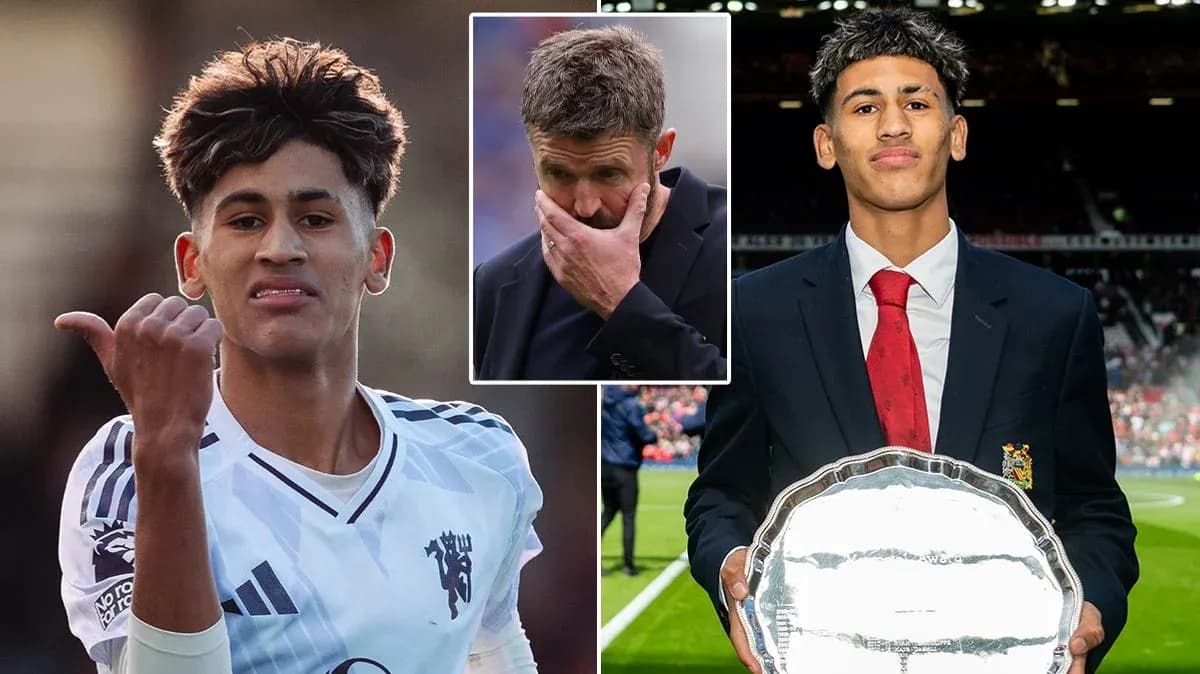
Manchester United Teen JJ Gabriel Requests Immediate Departure
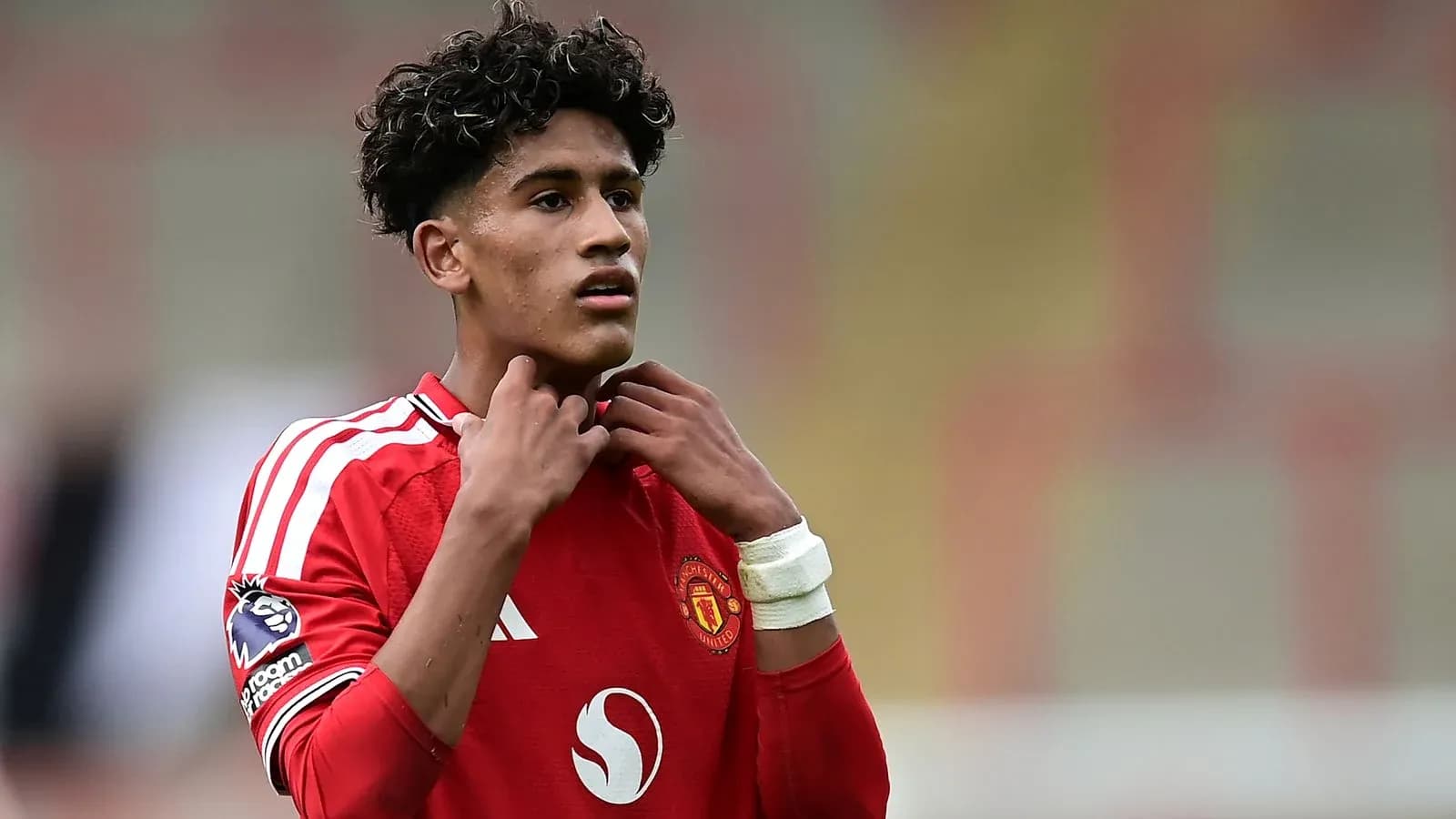
Manchester United have been hit with a jolt to their long-term plans. JJ Gabriel, the 15-year-old forward widely viewed as the jewel of their academy, has formally told the club he wants out — and he wants out now.
The teenager has submitted a notice requesting that his registration with United be cancelled, a move that would make him a free agent. For a club that has invested heavily in youth and has already begun to weave Gabriel into its future, the timing and tone of the request land like a thunderclap.
United, though, are not treating it as a done deal. The club do not see the situation as irretrievable and have not accepted the request. Under Premier League regulations, they are entitled to challenge or reject any attempt to terminate a youth registration early.
Gabriel has been at United since the age of 11. In academy terms, that is a lifetime. His development has been tracked closely, his progress fast-tracked, his reputation carefully built. Now, at 15, he is trying to walk away.
The first public hint that something was wrong came last week. Gabriel wiped his Instagram clean, deleting all images. For a teenager with more than 800,000 followers, that kind of digital reset rarely happens by accident. It set alarm bells ringing around Carrington and beyond.
Despite the shock of his request, there is currently no indication that he is about to walk into another club. He cannot sign a professional contract until he turns 17, and scholarship deals are not allowed before 16. Manchester City have previously tried to tempt him away from Old Trafford, but there is no suggestion yet that a move across the city, or anywhere else, is imminent.
The rules give United some leverage. Premier League guidance on youth registrations is clear: a player’s registration can only be cancelled early if all parties agree — club, player and parent or carer. If they cannot agree, any of them can ask the Premier League to make a binding ruling on the termination request. This is not a simple “thanks and goodbye” situation.
United had every intention of making Gabriel part of their present, not just their future. He joined pre-season preparations over the summer and even featured against Atletico Madrid. The plan, as recently as this week, was for him to be involved in Wednesday night’s Carabao Cup tie against Brighton.
That ambition was rooted in performance, not hype. Gabriel has torn through youth defences this season, scoring five goals and supplying two assists in just three games across Premier League 2 and the UEFA Youth League. At 15, he is already operating regularly against older, more physically developed opponents and still standing out.
Inside the club, the admiration has been open and consistent. Michael Carrick, now in charge at United, has made a point of watching youth matches, and Gabriel has been central to those trips. Speaking last month after seeing him in action, Carrick said: “I really enjoyed the game. You could see the quality.
“JJ is one of the boys. He's obviously got a really big talent. He's trained with us quite a bit and is getting experience all the time. He's physically adapting to each step that he makes, and we're just continuing his development.”
That development has already broken records. Last season, Gabriel became the youngest ever winner of United’s Jimmy Murphy Young Player of the Year award, a prize that has previously signposted careers at the very top. He backed it up on the pitch, scoring 23 goals in 23 appearances in the Under-18 Premier League.
The feeling around the academy was that United had unearthed another attacking phenomenon and were managing him carefully. Under-21s boss Adam Lawrence summed up the internal approach after Gabriel’s standout display against Sabah earlier this season.
“Well, I think the first thing in my job is not to ruin him,” Lawrence said. “So when you have a talented player like JJ and the other lads of course, you obviously don't want to stifle their freedom and their creativity. And I think essentially what you try and do is to set the team up to allow the talent to function and to play free at the right moments.
“Of course, it can't always be free and off the cuff in terms of some of the off-the-ball responsibilities that he's working on and some of the pressing things that he's thinking about.
“But again, in terms of how he plays properly and how he connects with other teammates at the top end of the pitch, he's just in a real good space. If you look at that game today, I think he's playing properly.”
Those words now sit in stark contrast to the current standoff. A player “in a real good space” on the pitch has, off it, taken the most dramatic step available to him at his age.
United must now decide how hard they fight to keep him and how far they are willing to go to convince a 15-year-old and his family that his future still lies at Old Trafford. For a club that prides itself on a pathway from academy to first team, losing their brightest teenage star by way of a termination request would raise more than just footballing questions.