
Manchester City Signs Elliot Anderson for Record Fee
Manchester City have won the race for Elliot Anderson, and they have paid a price that shakes the market.
The Nottingham Forest midfielder will move to the Etihad in the summer after City agreed a fee of £116million. Figures around Forest insist the final number is closer to £130m, but whichever version you believe, one thing is clear: Anderson is about to become the most expensive British player of all time.
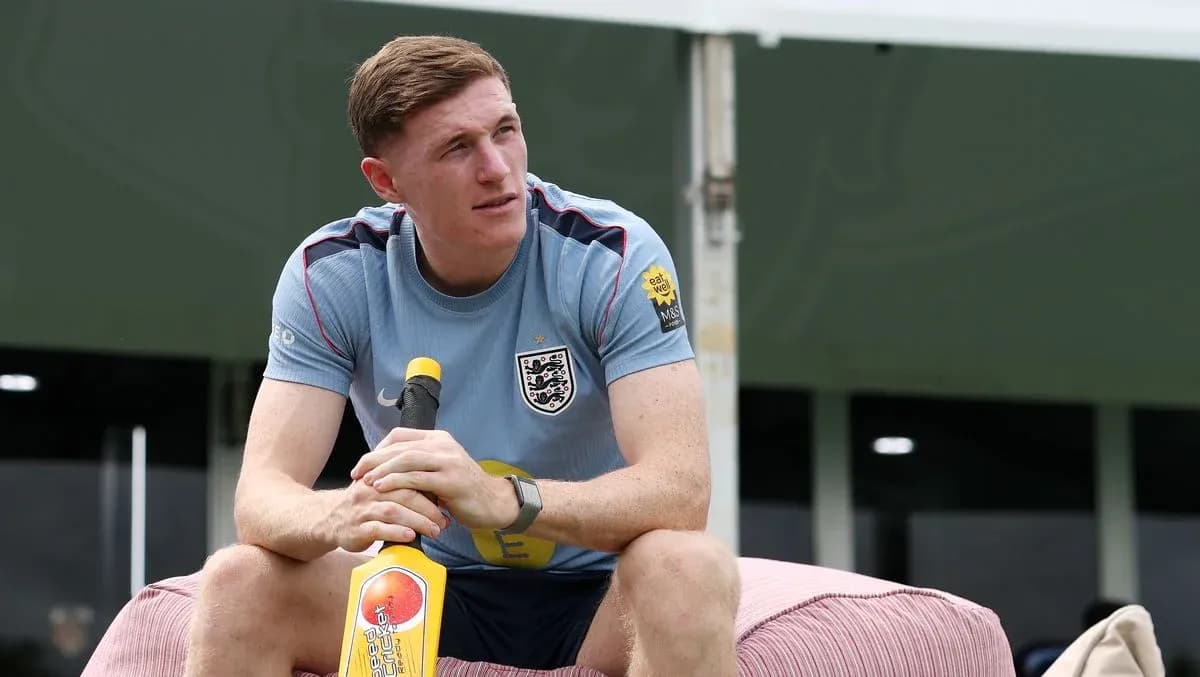
All this while he has been pictured in Kansas City, smiling with a cricket bat at England’s training camp. Outwardly relaxed, thousands of miles from the Premier League’s noise. In reality, his future has been looming over the summer like a cloud. Now it has cleared, and City have their man.
United walk away from the Anderson arms race
Across Manchester, the decision was very different.
Manchester United were in the conversation early on, viewing Anderson as an outstanding candidate to succeed Casemiro and reshape their midfield. The admiration for the player was genuine. The appetite for the price was not.
City’s opening bid was described as lofty. Even that was rejected. The numbers kept climbing. At that point, United stepped back.
This is exactly what Omar Berrada had warned would happen. Speaking on the club’s in-house podcast, the United CEO laid out the new transfer doctrine in blunt terms.
“We have to be really disciplined, it’s simple. We have a plan, we know what we can invest, and we have to stick to that,” he said. Long-term investments are on the table, he stressed, but not at any cost. “It’s very important that you don’t let the market or the agents dictate.”
The Anderson deal did exactly that. The cost ran away. United refused to chase it.
Given the fee, it is hard to accuse them of a lack of ambition. Anderson is a superb footballer and would have instantly raised the technical level of United’s midfield. But at a price that smashed records and strained logic, they chose principle over panic.
The Fernandes dilemma
Walking away from Anderson was made easier by one belief inside Old Trafford: there was another option.
Mateus Fernandes, relegated with West Ham but highly rated by United’s data department, emerged as an attainable, high-upside alternative. On the numbers, he stacked up well. He won more tackles last season, hit more accurate switches of play, and stayed close to Anderson in ground duels won, possessions won, and recoveries in the defensive third.
United sensed an opportunity. Relegation usually softens asking prices, and West Ham’s drop opened the door to a deal they felt could be fair.
Then Tottenham arrived.
Spurs’ interest has delighted the West Ham boardroom. Their willingness to approach the London club’s valuation of £85m threatens to drag the fee into a zone United had hoped to avoid for a 21-year-old with back-to-back relegations on his CV.
This is where United’s new stance is truly tested. They want to be disciplined, but they also know that elite midfielders do not come cheap. At some point, you have to pay.
Is Fernandes that point?
An £85m outlay used to buy you a ready-made, Champions League-hardened star. Fernandes is not that yet. He is a talent with a high ceiling, yes, but he is also a player whose recent seasons have ended in failure. That is the reality behind the numbers.
The inflation is brutal. The decision is not straightforward.
Time pressure and a test of resolve
The clock is ticking. The new financial year for clubs is a week away. Executives across Europe are preparing to show their hands.
By this time next week, Fernandes’ future should be far clearer. Offers will go in. Positions will harden. Tottenham’s seriousness will be exposed, and United’s resolve will be measured against it.
Berrada’s words hang over all of it. United pulled out of the Anderson race early. Do they now stand firm again and risk losing another key target, or do they bend just enough to land a midfielder they believe in?
There is a list of alternatives on the recruitment team’s screens, players flagged by the data department as stylistic and statistical fits. But everyone at the club understands the simple truth: the further down that list you go, the more the quality drops, at least in theory.
At some point, United must stop walking away and start closing.
Looking beyond the obvious names
One path is to look abroad for value that the Premier League premium has long erased.
Germany international Felix Nmecha is already on United’s radar. Borussia Dortmund have a track record of selling important players when the price is right, and the Bundesliga has often offered better value than the English market.
That kind of move would fit the new United rhetoric: smart, strategic, rooted in data rather than noise. It would also sidestep the emotional pressure of losing out to domestic rivals on headline deals.
Still, this summer was never supposed to look like this for United. In an ideal world, they would have had a clear run at Anderson, struck a “reasonable” agreement, and built their midfield around him without being dragged into an auction.
Instead, City have paid top dollar, Tottenham are circling Fernandes, and United find themselves trying to balance a new-found discipline with an old, uncomfortable reality: the best players cost the most money.
The market rarely plays fair. The only certainty now is that United’s next move in midfield will reveal just how serious they are about sticking to their plan.




