
Brazil VAR Controversy: CBF Demands Referee Ramos Removal
The flashpoint came in an instant, and it has not cooled since.
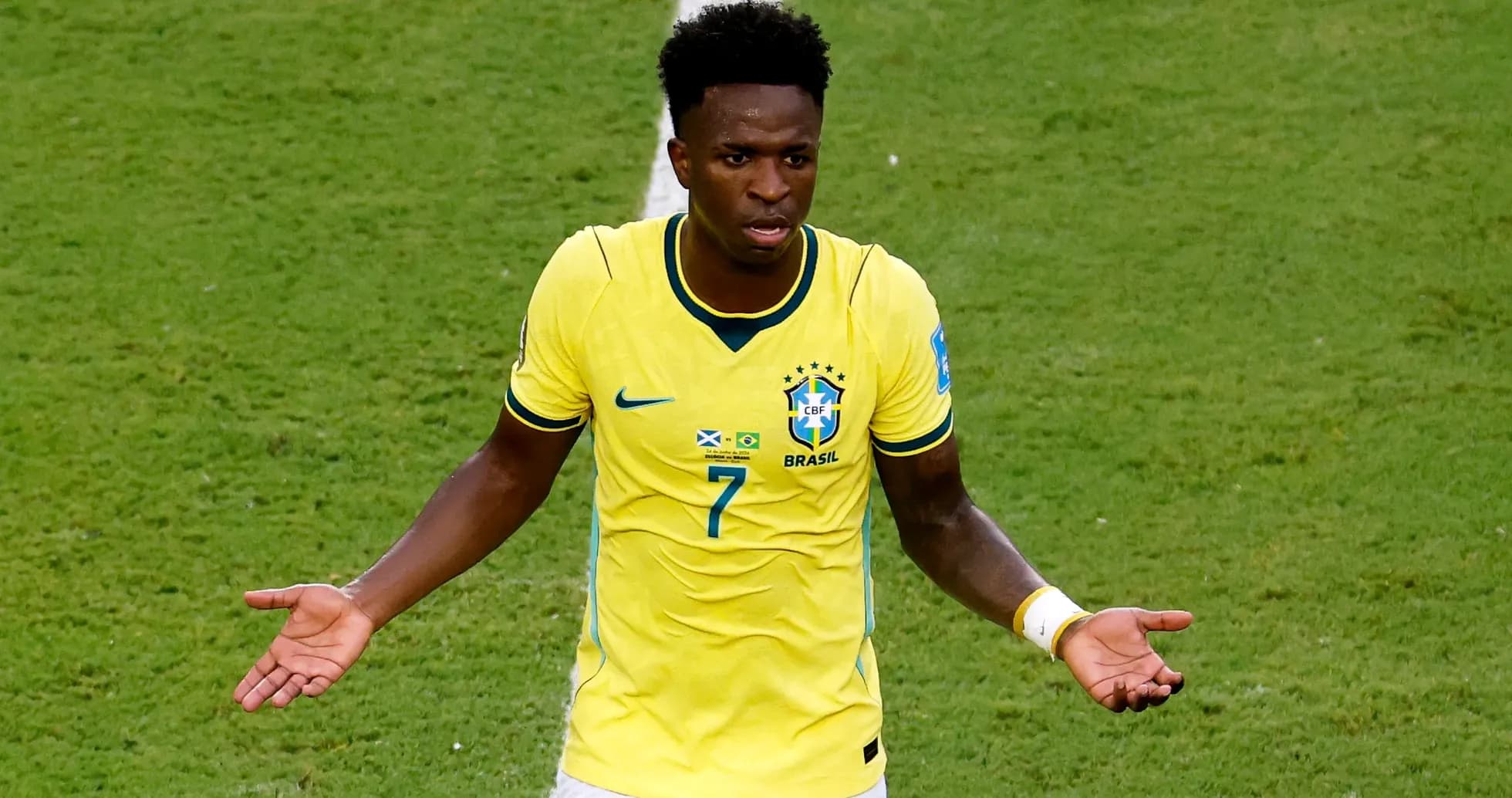
Twenty‑one minutes into Brazil’s final Group C match against Scotland, with the Selecao already in front thanks to an early Vinicius Jr strike, the Real Madrid forward seemed to have killed the contest. He robbed Jack Hendry, glided into the box and slid the ball past Angus Gunn with the sort of icy composure that has become his trademark.
Cesar Ramos pointed to the centre circle. Goal. Or so everyone thought.
Then came the familiar, dreaded pause. VAR check. The stadium’s noise dipped into that uneasy murmur that now accompanies every big decision. Moments later, the signal arrived: foul in the build‑up. The goal was gone.
On the Brazil bench, fury erupted. Carlo Ancelotti’s staff protested on the touchline, convinced the contact on Hendry was minimal and nowhere near the “clear and obvious” threshold that is supposed to trigger a VAR intervention. For them, this was not just a marginal call. It was the latest chapter in a story they feel they know too well.
The CBF was not content to let it rest there.
Within days, federation president Samir Xaud had taken the dispute to the very top, writing directly to FIFA president Gianni Infantino to challenge what Brazil sees as a pattern of inconsistency in tournament officiating. The letter, seen by Brazilian outlet Estadao, did not tiptoe around the issue. It named names and dates, and it demanded consequences.
At the centre of the complaint: Mexican referee Cesar Ramos. The CBF has formally asked that he be removed from future Brazil assignments in North America, arguing that his appointment should never have happened given what they describe as a “negative history” with the official.
That history goes back to the 2018 World Cup group stage against Switzerland. Brazil maintain they were denied a clear penalty that night and that a foul in the build‑up to Switzerland’s equaliser went unpunished. Those decisions still grate within the federation, and they have now been folded into a broader case against Ramos’s involvement in their matches.
The letter does not stop at old grievances. It widens the lens to accuse the tournament of double standards.
In a striking move, Brazil’s authorities turned to their fiercest rival to make their point. The document cites a goal scored by Lionel Messi for Argentina against Austria earlier in the competition, highlighting what they believe were comparable physical challenges in the build‑up that, in that instance, did not lead to a VAR intervention or an annulment. For the CBF, that contrast is damning: what stands for others, they argue, is being stripped away from Brazil.
The sense of bewilderment was not confined to the Brazilian camp, according to the federation’s account. The letter notes that the decision against Scotland “seemed unexpected not only for the Brazilian team, but also for the Scottish players, whose immediate reactions suggested that they did not expect a review or the subsequent annulment of the goal.” In other words, the players on the pitch, from both sides, looked as surprised as anyone when the goal was wiped out.
While administrators trade dossiers and accusations, Ancelotti has no choice but to steer his squad through the storm.
On the pitch, Brazil did what they needed to do. Vinicius Jr found the net again later in the game, refusing to let the controversy define his night. Matheus Cunha added a third, and Brazil eased away to secure top spot in the group, brushing aside the VAR drama with a performance that grew in control as the minutes ticked by.
Ancelotti, as ever, kept his eyes on the bigger picture. Speaking after the final whistle, he underlined the evolution of his side rather than the chaos of the disallowed goal.
“Now we are playing as a team, that is the goal. We are not perfect, we have things to improve. We can be a little quicker when we have control,” he said, before turning to what matters most in tournament football. “I’m happy because the team has improved a lot, now we are solid. In the knockout stage, solidity is very important. We have a solid team. Compared to the first game, we are making fewer mistakes, we have more rhythm, and we are more effective up front.”
That solidity will be tested next in Houston, where Brazil face Japan in the round of 32. The setting changes, the stakes rise, but the backdrop remains the same: a team trying to build momentum while its federation wages a parallel battle in the corridors of power.
If Brazil keep advancing, the question will linger over every appointment: who gets the whistle, and what happens the next time VAR cuts across the Selecao’s path?




