Liverpool Target Ronald Araujo: A Defensive Reinforcement
Liverpool are closing in on the loan signing of Ronald Araujo from Barcelona, a deal that feels as much like a rescue mission as it does a reinforcement.
Andoni Iraola’s side have reached agreement on a season-long loan for the Barcelona captain, with a non-mandatory option to buy for an undisclosed fee. No obligation, no long-term handcuffs. Just a calculated gamble on a defender who has lived at the sharpest end of European scrutiny.
A response to Konate’s exit
The need is clear. Ibrahima Konate has gone to Real Madrid on a free, leaving a sizeable gap next to Virgil van Dijk and a question mark over Liverpool’s depth in the heart of defence.
Jeremy Jacquet has arrived this summer with promise, not pedigree. Giovanni Leoni is 19, returning from an ACL lay-off and yet to feel the weight of a Premier League afternoon. Talented, both of them, but untested.
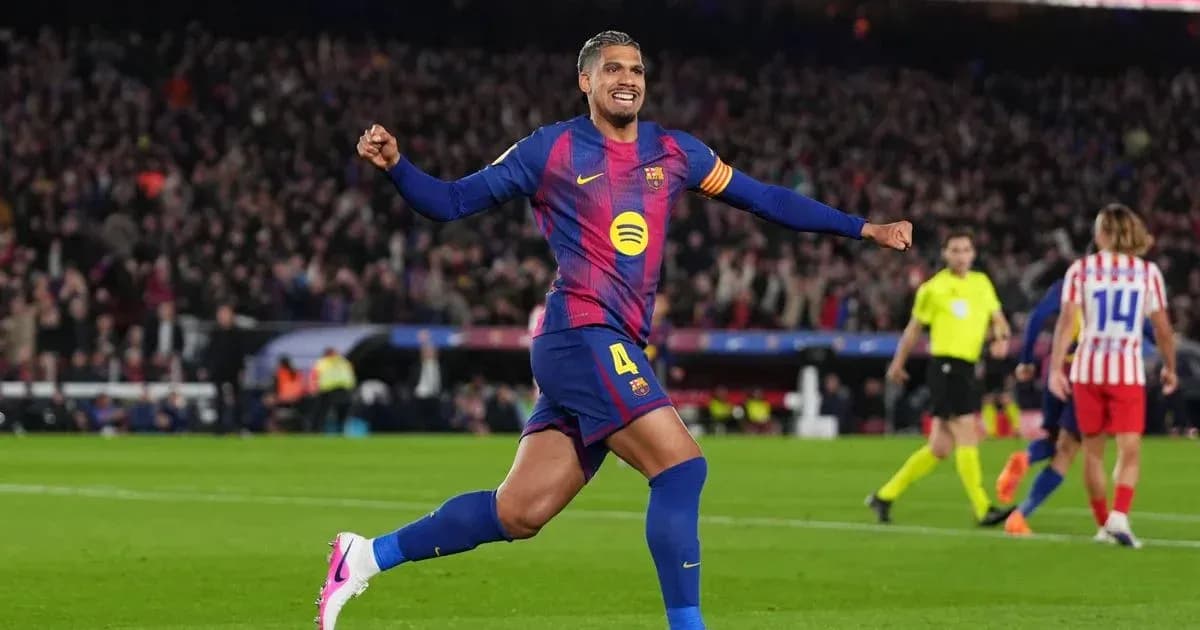
Araujo changes that picture. He walks into the dressing room as a 25-year-old with 213 Barcelona appearances and three La Liga titles behind him. Not a prospect. A reference point.
He becomes the bridge between Van Dijk and the next generation.
Barcelona’s captain, Liverpool’s project
The obvious question hangs over the deal: why are Barcelona letting their captain leave on loan?
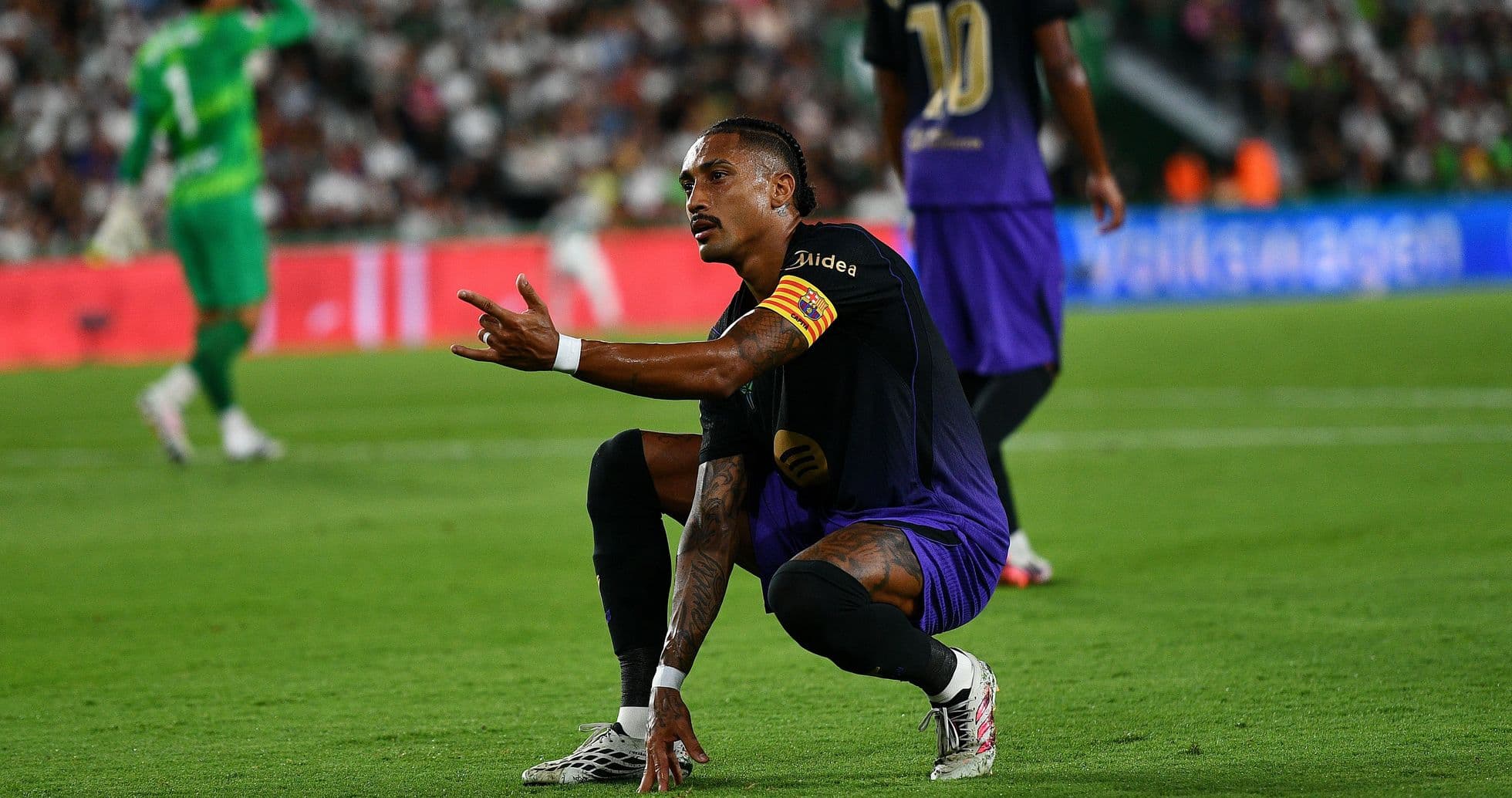
The answer lies in the last two years. Araujo’s career in Catalonia has stalled, then frayed. Form and fitness wobbled. Confidence followed. Under intense criticism, he stepped away from football last season to focus on his mental health, an unusually honest admission in a club environment that rarely tolerates vulnerability.
The spotlight burned brightest on his mistakes in Europe. Sent off with Barcelona leading against Paris Saint-Germain in the 2024 Champions League quarter-final, he watched from the dressing room as the tie collapsed. Another red card arrived in last season’s competition as Barcelona were thrashed by Chelsea. Two moments, different nights, same narrative: in the biggest games, the defender who was supposed to be the rock became the fault line.
Barcelona have chosen a reset. Liverpool are offering it.
Easing the load on Van Dijk
Van Dijk turned 35 in July and carried an extraordinary workload last season: more than 6,000 minutes for club and country, every single minute of Liverpool’s Premier League campaign. For a defender who has already come back from a serious knee injury, that is a strain you cannot keep repeating without consequence.
Joe Gomez remains a trusted, long-serving option, but the club cannot lean indefinitely on the same core. Araujo’s arrival spreads the responsibility. It gives Iraola the freedom to manage Van Dijk’s minutes, to pick his moments for Jacquet and Leoni, to avoid throwing both youngsters into the chaos of England’s top tier before they are ready.
If Araujo settles, Liverpool’s centre-back group suddenly looks layered rather than thin.
What Araujo actually brings
The doubts around Araujo have rarely centred on his defending. The criticism, especially in Spain, has often focused on his distribution. At Barcelona, every centre-back is measured against an almost impossible standard: you are not just a defender, you are the first playmaker.
The numbers from last season tell a more nuanced story. Among La Liga centre-backs, Araujo ranked fourth for the percentage of short passes completed per 90 minutes and sixth for progressive passes completed. He was not hiding. He was trying to play forward.
He also brought more than safe recycling of the ball. He ranked third for successful dribbles among centre-backs and led the entire position in goals and headed goals per 90, scoring three times. For a Liverpool side that still values set pieces as a weapon, that aerial threat matters.
Defensively, his aggression, recovery pace and willingness to defend space high up the pitch fit naturally with a team that wants to squeeze opponents, not retreat from them.
A career at a crossroads
For Araujo, this is not a gentle sideways move. It is a pivot.
He leaves Barcelona as captain, but not as an undisputed success. He arrives at Anfield not as a saviour, but as a player with something to prove: that the mistakes in Europe were episodes, not a definition; that the mental and physical toll of the last two seasons can be turned into resilience rather than residue.
For Liverpool, the equation is simple. They get an experienced international defender, still in his mid-twenties, on a low-risk deal with the option to make it permanent if the fit is right.
For Araujo, the question is sharper: does this move restore the trajectory of a career that once looked destined to anchor Barcelona for a decade, or does it redraw it entirely on Merseyside?