Liverpool and Chelsea Clash to a 1–1 Draw: A Tactical Analysis
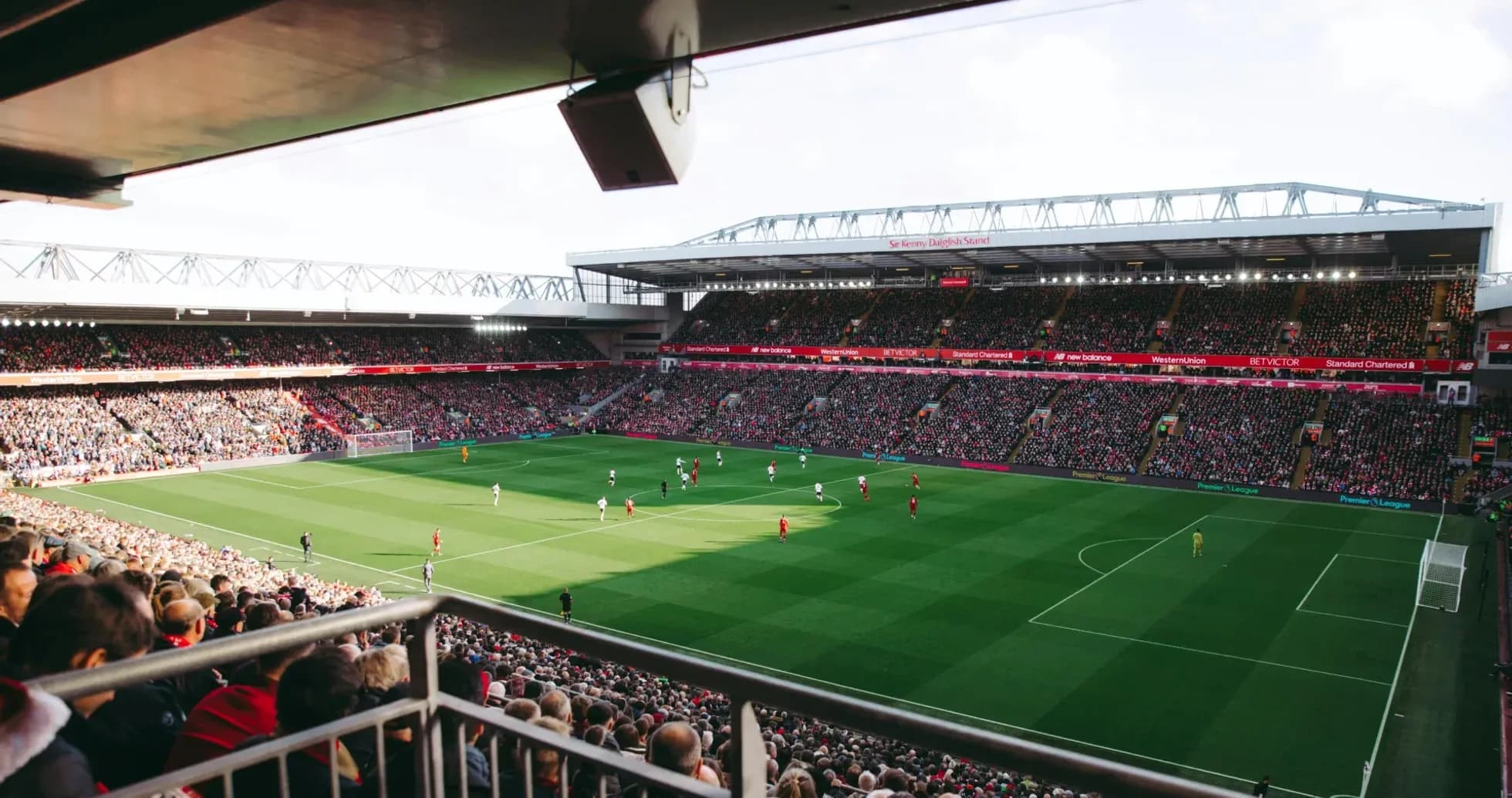
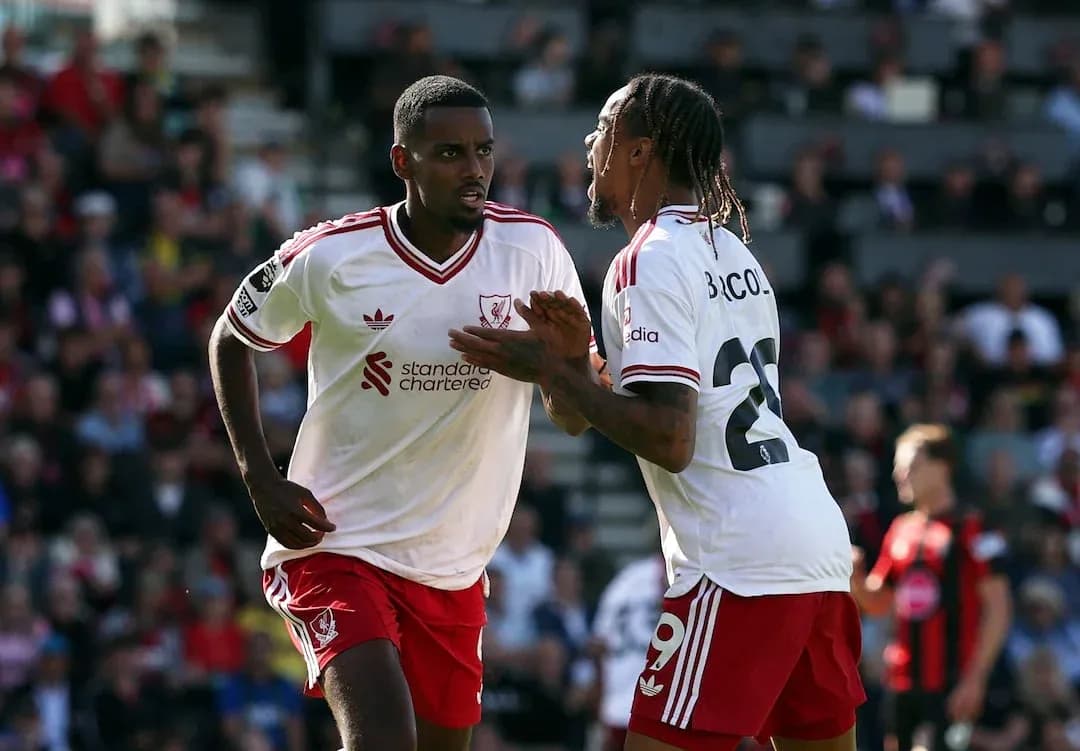
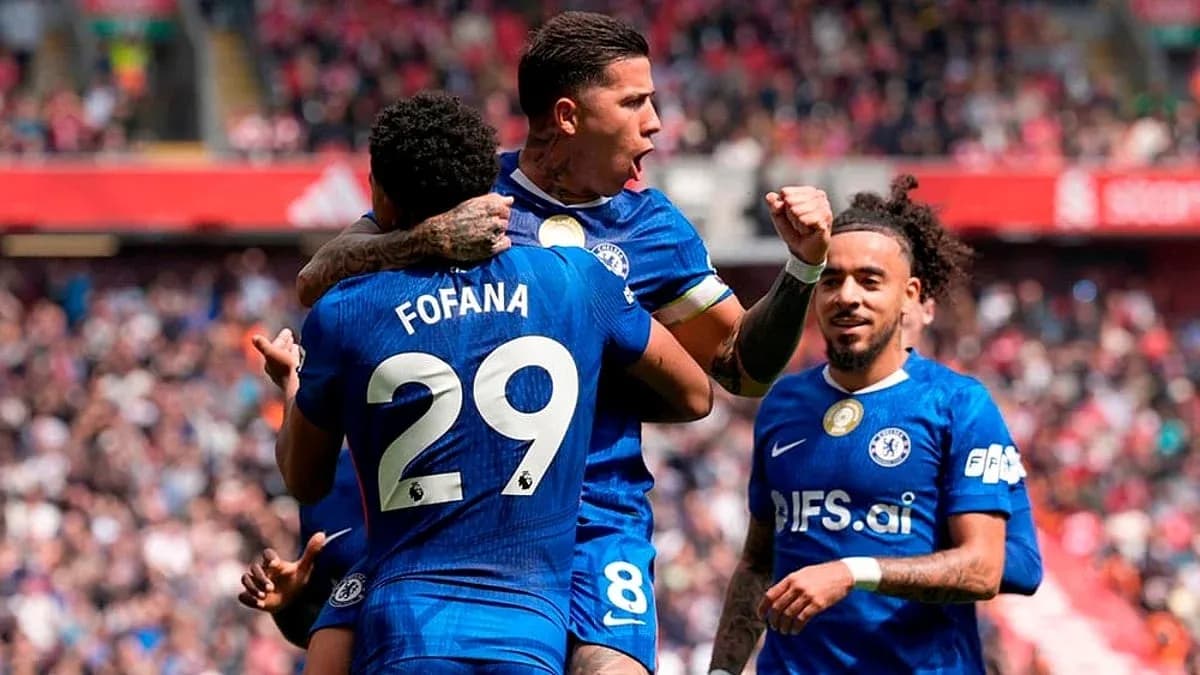
Anfield under grey Merseyside skies, Craig Pawson’s whistle, and a 1–1 draw that felt like a stalemate between two sides still trying to work out exactly what they are. Following this result, Liverpool remain the more stable project in the table, sitting 4th on 59 points with a goal difference of 12 (60 scored, 48 conceded) after 36 matches. Chelsea, 9th with 49 points and a goal difference of 6 (55 scored, 49 conceded), leave with a point that steadies a worrying “DLLLL” run but does little to change the broader narrative of inconsistency.
I. The Big Picture: Styles in Collision
Across the season overall, Liverpool’s profile has been clear: front‑foot, occasionally reckless. They have won 17 of 36 league games, drawing 8 and losing 11. At home they are strong, with 10 wins from 18 and 33 goals scored at Anfield, averaging 1.8 goals at home and 1.1 conceded. The defensive numbers underline why they are not in a title race: 48 goals against overall, 1.3 per game.
Chelsea arrive as a paradox. On their travels they have been quietly effective: 7 away wins from 18, with 31 goals scored away and an away average of 1.7 goals for and 1.4 against. Overall they sit at 13 wins, 10 draws, 13 defeats, a perfectly balanced record that mirrors their tactical identity: technically gifted, capable of scoring in bursts, but structurally fragile.
The 1–1 draw fits both teams’ seasonal DNA. Liverpool’s attack did enough to find a way through; their defence conceded again. Chelsea showed why they are dangerous – 55 goals overall, 1.5 per game – but also why they are stuck in mid‑table, unable to fully tilt tight games in their favour.
II. Tactical Voids: Who Was Missing, What Was Lost
The team sheets told their own story before a ball was kicked. For Liverpool, the absence list was brutal. Alisson (muscle injury) out, forcing Giorgi Mamardashvili into a high‑profile Anfield start. In front of him, Virgil van Dijk and Ibrahima Konaté anchored a back line with Curtis Jones and Miloš Kerkez as full‑backs, suggesting an emphasis on technical build‑up rather than pure defensive conservatism.
Further forward, the absences were even more defining. Wataru Endo (foot injury) removed a natural holding midfielder from Arne Slot’s options; Stefan Bajcetic and Conor Bradley were also unavailable. But the headline void was Mohamed Salah (thigh injury), Liverpool’s leading creator with 6 league assists and 7 goals. Florian Wirtz (illness) and Hugo Ekitike (11 league goals) were also missing, stripping Liverpool of two key goal threats and forcing a reimagined front line: Dominik Szoboszlai, Alexis Mac Allister, Ryan Gravenberch and Jeremie Frimpong supplying Cody Gakpo, with Rio Ngumoha adding youthful unpredictability.
Chelsea’s list was shorter but still influential. Mykhailo Mudryk was suspended, while J. Gittens and J. Derry were out injured and Robert Sánchez sidelined by concussion. Without Sánchez, Filip Jørgensen took the gloves, altering the distribution dynamic from the back. The absence of Mudryk removed a vertical, direct runner who often stretches defensive lines, pushing more creative burden onto Cole Palmer, Enzo Fernández and Joã o Pedro.
Disciplinary profiles shaped how both midfields had to tread. Liverpool’s Szoboszlai, with 8 yellow cards and 1 red in the league, is a high‑intensity presser who lives on the edge. Chelsea’s Moisés Caicedo, the league’s leading yellow‑card collector with 11 and also 1 red, is even more combustible. Both managers knew that a late‑game tackle could swing the contest, particularly given that Chelsea’s yellow cards spike between 61–90 minutes (21.35% from 61–75, 23.60% from 76–90), while Liverpool’s own bookings surge late too, with 31.48% of their yellows in the 76–90 range.
III. Key Matchups: Hunter vs Shield, Engine Room vs Enforcer
The “Hunter vs Shield” duel centred on Joã o Pedro. Chelsea’s attacker has been one of the league’s standout forwards, with 15 goals and 5 assists, 50 shots and 28 on target. His movement between the lines, combined with 71 dribble attempts (37 successful), posed a direct challenge to Liverpool’s central defence.
Against him stood Van Dijk and Konaté, supported by Mamardashvili. Liverpool’s overall record of 48 goals conceded, including 19 at home, suggests vulnerability, but the raw defensive talent is elite. The task was to manage Pedro’s constant duels – he has contested 386 this season, winning 187 – without overcommitting and exposing space for Palmer or Enzo to exploit.
In midfield, the “Engine Room” battle pitted creators against destroyers. For Liverpool, Szoboszlai is the metronome and spear in one: 6 goals, 5 assists, 2,090 passes with 68 key passes and an 87% accuracy. He also brings defensive bite with 52 tackles and 8 blocked shots. Alongside him, Mac Allister and Gravenberch offered control and progression, while Frimpong’s inclusion in midfield hinted at aggressive wide overloads.
Chelsea’s response was built around Caicedo and Enzo. Caicedo’s 1,940 passes at 91% accuracy and 87 tackles underline his role as the shield. He is both breaker and recycler, with 56 interceptions and 14 blocks, constantly sliding across to extinguish transitions. Enzo, with 9 goals and 3 assists, 65 key passes and 50 shots (30 on target), is the deep‑lying playmaker who can step into the half‑spaces and test Liverpool’s back line from range.
The tactical hinge was whether Caicedo could smother Szoboszlai’s influence without being dragged into dangerous fouls – he has committed 51 this season – and whether Enzo could escape Liverpool’s press to feed Pedro and Palmer between the lines.
IV. Statistical Prognosis and xG‑Style Verdict
Even without explicit xG numbers, the season’s statistical patterns sketch the likely underlying story of the 1–1. Heading into this game, Liverpool’s total scoring average of 1.7 goals per match and Chelsea’s total average of 1.5 suggested a contest with chances at both ends. Defensively, Liverpool’s 1.3 goals against per game and Chelsea’s 1.4 hinted that neither back line would keep things entirely clean.
Liverpool’s home strength – 10 wins, 33 goals at Anfield – combined with Chelsea’s productive away attack (31 away goals, 1.7 per game) pointed towards a balanced xG profile: Liverpool probably edging territory and volume, Chelsea threatening in more selective, transition‑based moments.
The draw reflects that equilibrium. Liverpool, deprived of Salah and Ekitike, lacked some cutting edge in the box but still generated enough pressure to find a goal. Chelsea, with Joã o Pedro as both top scorer and top assister, had the individual quality to carve out high‑value chances, yet their season‑long pattern of 13 draws re‑emerged.
From a tactical forecasting lens, this felt like a game where xG on the night would sit narrowly in Liverpool’s favour but not by a decisive margin – the kind of match where structure and discipline, especially in that volatile 61–90 minute window where both teams accumulate a high percentage of their cards, matter as much as raw talent.
Following this result, Liverpool’s Champions League push remains on track but fragile, their attacking ceiling clear yet their defensive floor still too low. Chelsea, for all their technical brilliance and Joã o Pedro’s star turn, continue to live in the margins: good enough to trouble anyone, not yet secure enough to consistently beat them.