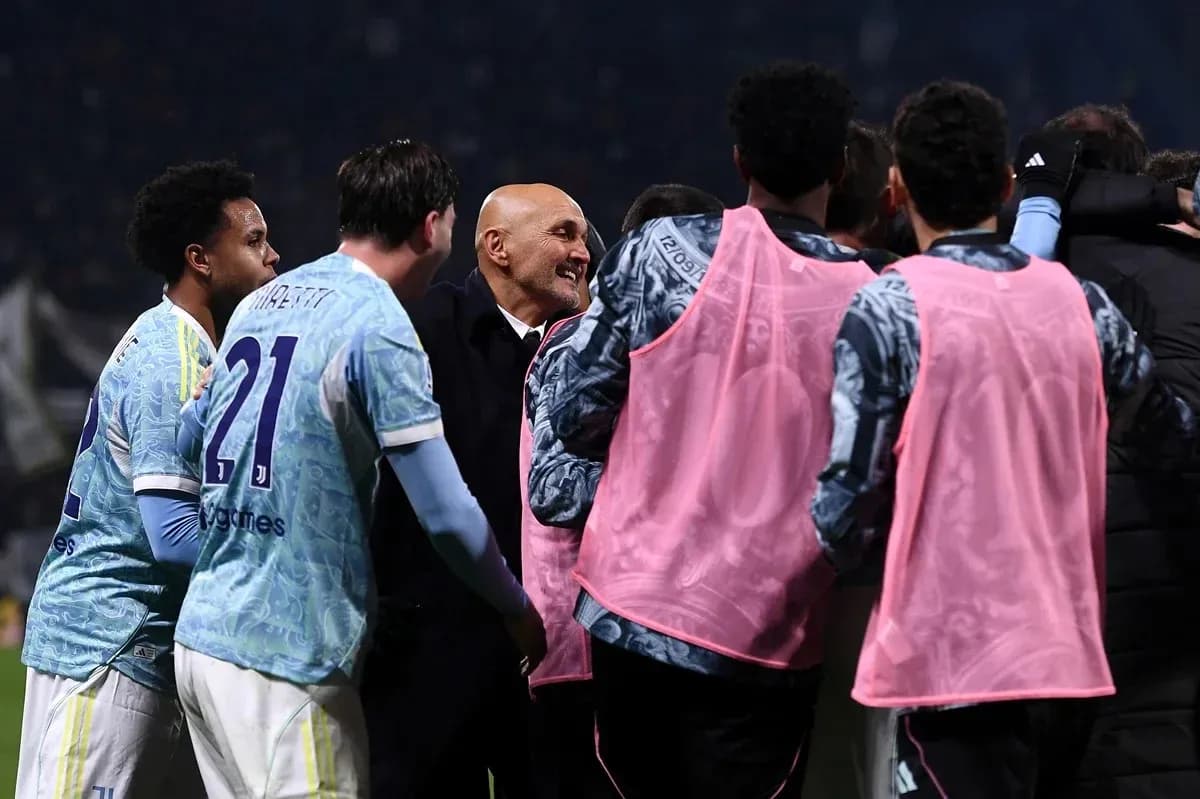
Juventus' Summer Audition Under Spalletti
At Juventus, the clear-out that never quite happens has become a familiar summer storyline. Big fees, big wages, and too many players who never truly convinced. This window was supposed to be another chance to sweep the decks. Instead, under Luciano Spalletti, it has turned into something else entirely: an audition.
For years, the Allianz Stadium has welcomed names carrying weight and expectation, only for many of them to fade into the background. Some struggled with form, others with fitness, others simply with the pressure of a club that demands instant impact. The result is a bloated squad dotted with players the hierarchy would happily move on, if only there were takers.
Those takers have been hard to find. Across Europe, clubs are wary of inheriting high salaries and uncertain performances. Juventus know that some of these “unwanted” pieces could still be on the books when the window closes. Under Thiago Motta, the response to that problem was blunt.
From exclusion lists to open doors
Motta, on arrival, drew a hard line. He quickly separated the players he wanted from those he did not. Training groups reflected the hierarchy. The message was clear: if you are not in my plans, the club will work to move you out. Juventus, in turn, tried to find exits, pushing surplus players toward new destinations even before pre-season truly took shape.
Spalletti has walked into the same dressing room, but not with the same script.
Instead of exile, he has opted for inclusion. Every player, whether central to past failures or written off as a mistake, has been folded into his pre-season plans. Training sessions and friendlies have featured the full cast, including figures like Arthur Melo, who in previous summers might have been quietly ushered toward the door.
The logic is simple, but it cuts against recent habit: judge them on what they do now, not on what they cost then.
Spalletti’s study period
According to Tuttojuve, journalist Giovanni Albanese captured the essence of Spalletti’s stance. He argued against the reflex of discarding players too early, “like stickers,” and underlined that the coach wants to study everyone closely. Only if performances fall short, Albanese noted, will Spalletti ask the club to move them on. As long as he brings them, evaluates them, keeps them within the group, there is something positive in that approach.
This is not romanticism. It is a controlled experiment.
Spalletti wants evidence. He wants to see who can adapt to his demands, who still has something to offer, who might be reborn under a different voice and a different structure. Pre-season minutes are not charity; they are a live assessment, a final exam for those who have been living on borrowed time.
For the club, it offers one more potential upside. A player who looks sharper, more committed, more useful under Spalletti might attract a market that previously did not exist. If not, Juventus at least know they are making decisions based on current reality, not old reputations or past disappointments.
The stakes are clear. Some will seize this last chance. Others will confirm why they were on the unwanted list in the first place.
By the end of this window, the Juventus squad will look different. The question is not just who leaves, but how many of those once written off manage to change Spalletti’s mind before the door finally closes.