
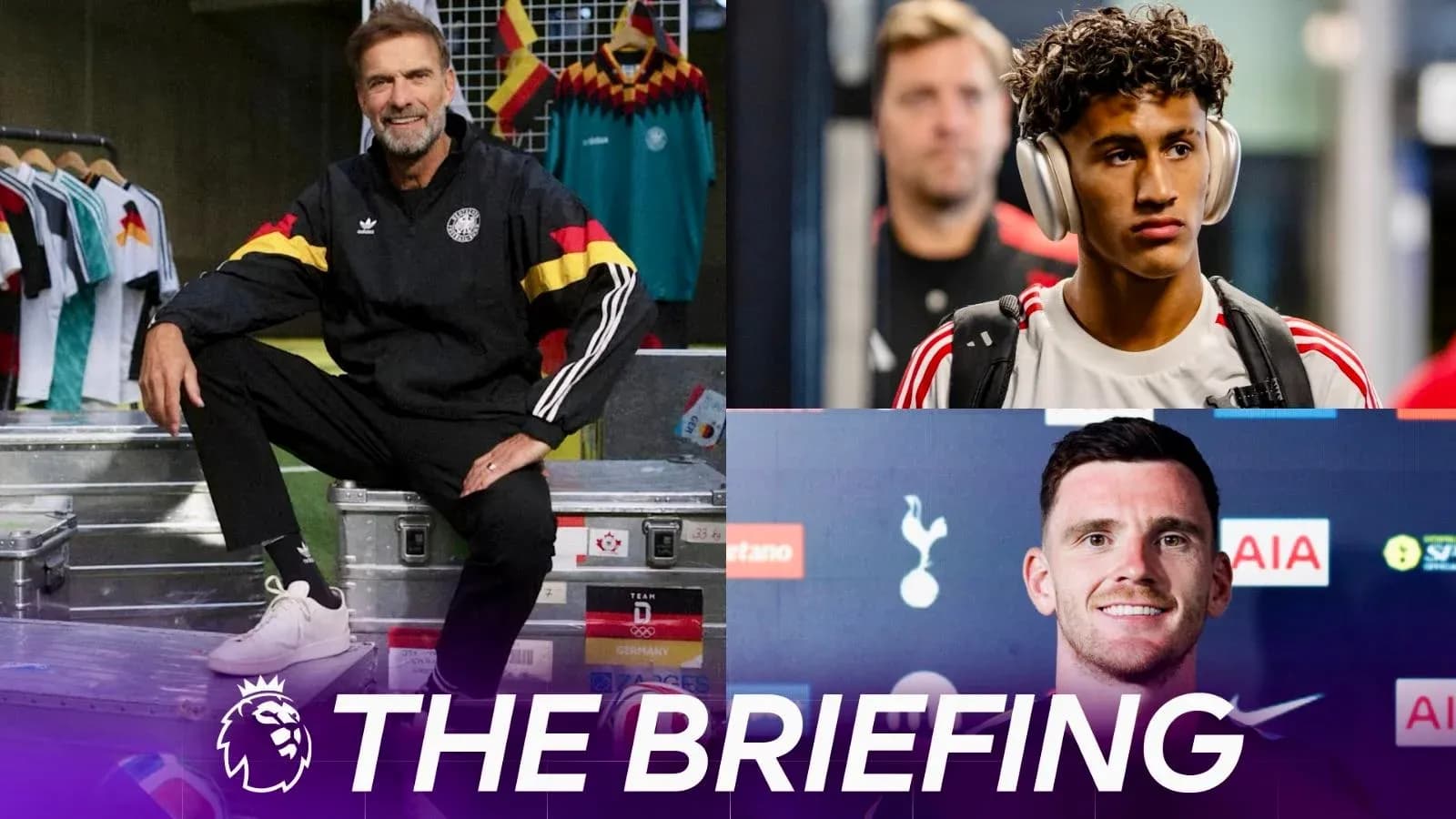
Jurgen Klopp Returns as Germany's Head Coach
Jurgen Klopp is back.
Nine months after walking away from Liverpool, drained and declaring he was “running out of energy”, the 57-year-old has accepted the most pressurised job of his career: head coach of Germany, on a contract running through to the end of the 2030 FIFA World Cup.
The sabbatical is over. The national cause has spoken.
Klopp, who turned Liverpool from nearly-men into Premier League and UEFA Champions League winners, returns to the touchline at a time when German football is searching for itself. The four-time world champions have just crashed out of the World Cup round of 32 to Paraguay, a defeat that prompted Julian Nagelsmann’s resignation last month and underlined how far the team has fallen from its old certainties.
Now the German Football Federation has handed the keys to the country’s most charismatic modern coach and, in doing so, set the tone for a full-scale reset.
A giant job, finally accepted
Klopp has been working in the background since leaving Anfield, serving as Red Bull’s global head of soccer from late 2024. That role kept him close to the game without the grind of daily management. This is different. This is total immersion.
“Over the last few days it was almost like a movie happening to myself,” he admitted as the appointment was confirmed, the reality of the job beginning to land.
He has long been linked with the national team. For years, he batted away the idea, insisting the timing was wrong, the demands too great. Now he concedes that as time passed, the question stopped being if and became when.
“I have always surmised the job of Germany head coach is really big, but now it is really dawning on me what being the national team head coach is all about,” he said. It had once been “unimaginable” for him to take it. Now, he says, “the time is right.”
Germany have chosen not just a coach, but a project leader. Klopp will oversee the next UEFA European Championship cycle and then carry Germany into the 2030 World Cup. It is a long runway for a man who thrives on building cultures, not just game plans.
Familiar faces, fresh structure
Klopp will not be doing this alone. He is rebuilding his inner circle with trusted lieutenants.
Former Liverpool assistants Pep Lijnders and Peter Krawietz will join him on the national-team bench, restoring the trio that helped deliver a Champions League title, a Premier League crown and a FIFA Club World Cup at Anfield. Their understanding of his methods is deep, their roles already defined by a decade of shared work.
Behind them, the DFB is also reshaping the structure above the pitch. Per Mertesacker, the World Cup-winning former centre-back who has been running Arsenal’s academy, will become sporting director in January after leaving his London role at the end of the 2025/26 season. His task: align the pathway from youth to senior level and give Klopp a talent pipeline worthy of his ambition.
The first test will carry a personal twist. Klopp’s debut on the Germany touchline comes in September against the Netherlands, captained by Virgil van Dijk, the defender who became a pillar of his Liverpool side. Old alliances, new lines drawn.
Germany wanted a figurehead who could unite a fractured football nation and drag a talented but underperforming squad back to the top table. Klopp, with his energy, his track record and his refusal to accept half-measures, has just signed up to try. The question now is not whether the stage is big enough for him, but whether German football is ready to be reshaped in his image.




