
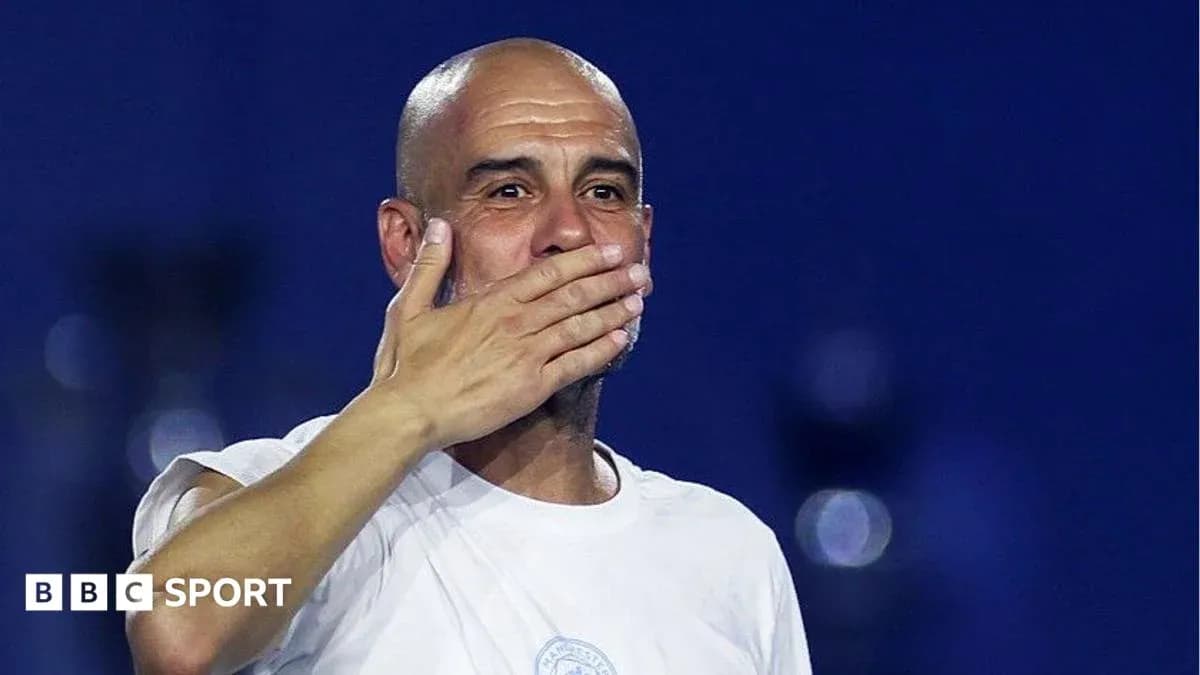
Guardiola Declines Italy Role as FIGC Eyes Pirlo
Italy offered Pep Guardiola the keys to the kingdom. He handed them back.
The Italian Football Federation (FIGC) made an ambitious play for the former Manchester City manager, who walked away from the Etihad this summer after a decade of dominance. Salary would not have been a problem. Nor would power. Guardiola was effectively told he could mould the role in his image.
He still turned it down.
Earlier in the week, FIGC president Giovanni Malagò revealed that talks had taken place and hinted that “exceptions” could be made for Guardiola’s wage demands. The message was clear: Italy, absent from three consecutive World Cups, were ready to rip up their own rulebook to land the most coveted coach on the market.
The courtship did not start with Guardiola, though. On Thursday, FIGC technical director Paolo Maldini confirmed that Italy first went back to one of their own: Carlo Ancelotti. The former Azzurri midfielder is currently in charge of Brazil and has chosen to remain in that job, closing the door on a romantic return.
With Ancelotti staying in Rio, Italy pushed hard for Guardiola. The offer on the table was enormous. A huge salary. Freedom to shape the structure around him. The chance to rebuild a fallen giant of international football and drag a four-time world champion out of its World Cup exile.
Guardiola listened. Then he stuck to his original plan.
He has informed the FIGC that he intends to take a break from the game, using the coming period to rest, spend time with his family and travel after 10 relentless years in Manchester. No touchline. No training ground. No immediate return, even for a job of this stature.
For Italy, the refusal lands heavily. They had hoped to send a shockwave through world football; instead, they must pivot quickly.
All Eyes on Pirlo
The former Italy playmaker, currently head coach of Dubai-based United FC, has moved into pole position to take the job. He does not arrive with Guardiola’s glittering club résumé, but he carries a different kind of weight: a World Cup winner, a symbol of Italian elegance in midfield, and a figure who still commands instant respect in the dressing room.
If appointed, Pirlo would inherit a daunting immediate task. Italy face a Nations League group this autumn that includes France, Belgium and Turkey – a brutal testing ground for any new coach, let alone one still building his reputation on the touchline.
Beyond that lies the real measure of the project: qualifying for Euro 2028 and restoring Italy to the major tournament stage they once took for granted.
Guardiola has chosen rest over resurrection. The question now is whether Pirlo is ready to lead Italy’s own.




