
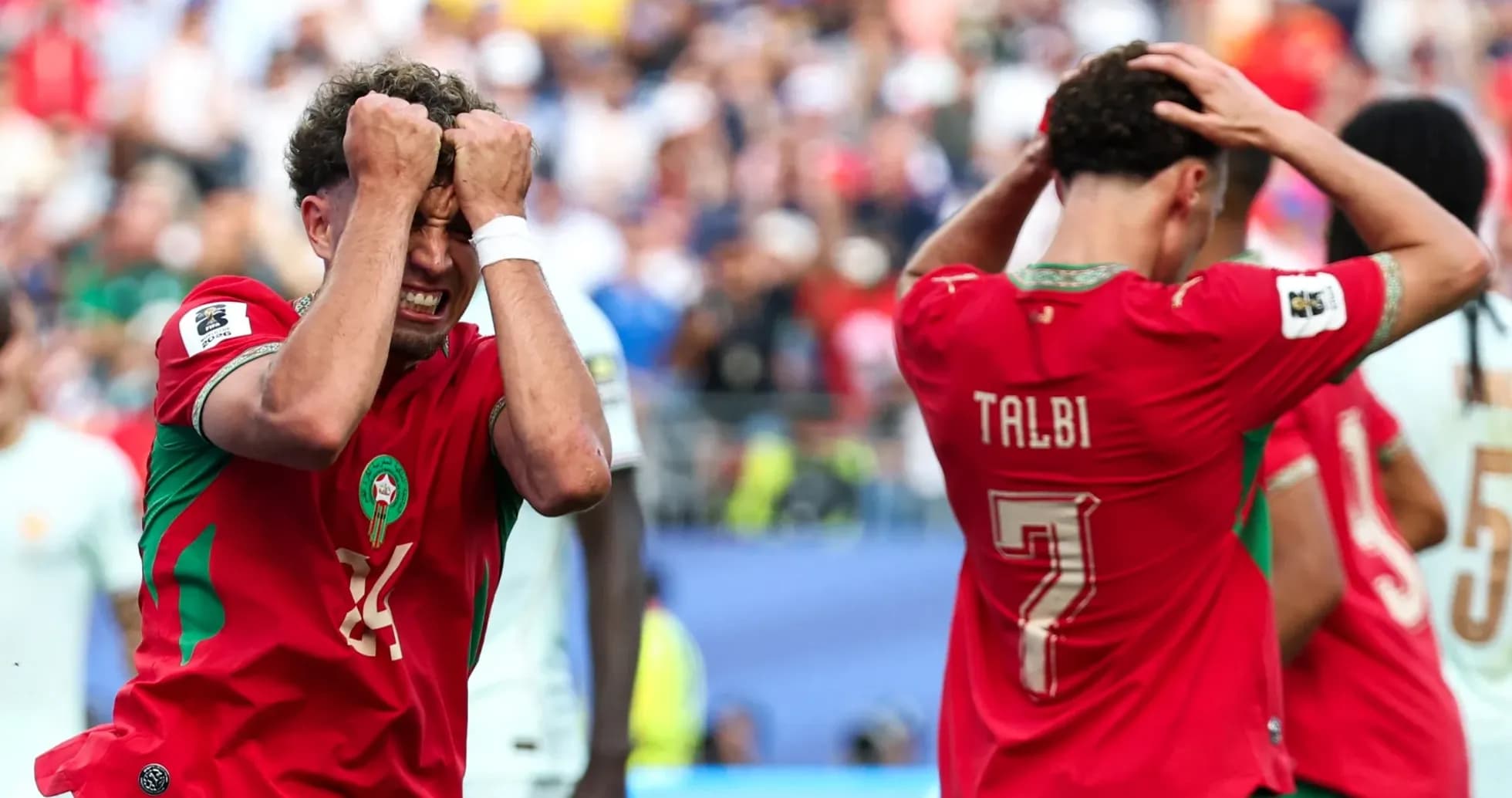
France Defeats Morocco 2-0 in World Cup 2026 Quarterfinal
Boston, United States – By the final whistle, plenty of Morocco fans inside this baking East Coast bowl had quietly switched allegiances for the rest of the tournament. Their team was out, beaten 2-0 by France, and Kylian Mbappe had just handed out another brutal reminder of why he owns this stage.
One scorching finish. One ruthless assist six minutes later. Quarterfinal over. Revenge mission aborted.
“France are an unstoppable force,” said Morocco supporter Yaseen Maroufi, his voice flat, his feet dragging as he left the stadium. He had come with hope, he left with reluctant admiration. “They start with 11 very good players on the pitch, but they also boast one of the best bench strengths in the tournament. France are the team to beat, and it’s very hard to beat them at the moment.”
That was the mood at the end. It was not how this World Cup 2026 quarterfinal began.
A grudge revisited
This was about more than a place in the semifinal. The memory of 2022, of that semifinal defeat, still clung to Morocco’s travelling support. They came armed with flags, drums and a sense of unfinished business.
There was belief, too. A young squad. A new coach trusted to build on that famous run four years earlier. A simple wish whispered by thousands in red: let Mbappe have an off day.
For half an hour, it looked like their prayers might be answered.
When France won a penalty in the 29th minute, the stadium tensed. Mbappe placed the ball, then waited. Players jostled on the edge of the box, the ball was moved, time stretched. The delay grew, the moment swelled, and when he finally ran up, the strike was timid, unsure.
Yassine Bounou, Morocco’s hero of 2022 and still their guardian now, guessed right and gathered the weak effort with ease. The Moroccan end erupted. For a heartbeat, the narrative flickered: maybe this really was their night.
The miss summed up a first half played on nerves. Both sides probed, neither committed fully. France measured their steps. Morocco, wary of being ripped apart on the break, refused to overextend. The game simmered, never quite boiling.
Morocco push, France punish
After the break, Morocco finally stepped into the risk they had been avoiding.
They came out with intent, pushing higher, snapping into duels, forcing France back. The first clear chance after the restart fell to the Atlas Lions, and they tested the French goal with what would turn out to be their only shot on target. It was saved, but it sent a message: Morocco were done waiting.
That message came with a price.
As Morocco drove bodies forward, gaps began to open behind them. Against most teams, you might get away with it. Against France, you don’t. Space is an invitation, and Mbappe rarely declines.
Suddenly he had grass to run into down the left. He started to glide, that familiar, devastating rhythm returning to his stride. In the 60th minute, the punishment arrived. A sharp move, a flash of acceleration, a ruthless finish. Mbappe’s eighth goal of this World Cup, France’s first of the night, and the entire tone of the match changed in an instant.
Morocco had chased the game. Now they were chasing shadows.
Six minutes later, the French captain twisted the knife. Cutting in from the left again, he drew defenders, dragged red shirts out of position and then slipped the ball into space for Ousmane Dembele. One touch, one finish. 2-0. Dembele’s fifth of the tournament, and a little slice of history: France became the first team ever at a World Cup to have two players score five or more goals in the same edition.
From there, Mbappe turned tormentor rather than executioner. He spun, feinted and drove at a tiring Moroccan back line, his dizzying runs carving patterns if not more goals. The damage, though, was done.
Chants fade, futures collide
For a while in the first half, the noise had been almost entirely Moroccan. “Dima Maghreb” rolled around the stands, a wall of sound that made this corner of Boston feel like Casablanca.
As the minutes drained away, those chants thinned, then fell silent. The red flares of hope that had burned so brightly in 2022 were snuffed out by the same opponent, by the same scoreline.
Only then did the French voices truly rise. “Allez les Bleus” rang out, the sound of a fan base watching a young, ruthless side that looks built for the present and the future.
“It was wonderful to watch all this French talent,” said French American supporter Claude Beyanoun, who had brought his son Zach to witness what might be the start of another French era. They left with smiles, and with the sense that this group is capable of delivering not just this trophy, but others to come.
On the Moroccan side, the walk back to trains and buses was quieter, heavier. Flags drooped over shoulders. The revenge they had dreamed about never materialised; the scar from 2022 now has a fresh layer.
The scoreline was the same. The feeling, though, was different. This time, Morocco’s fans know their story is still being written.
“We didn’t win this one, but we’ll win the next World Cup at home,” said Hamza, a Morocco supporter who gave only his first name, already looking towards 2030, when Morocco will cohost the tournament. There was hurt in his voice, but also something else: defiance.
“We must carry on after the loss. This is football. This is life.”
France march on, Mbappe in full stride. Morocco go home again, beaten by the same giant. The question now is simple: when the World Cup finally lands on Moroccan soil in 2030, will this pain be the fuel that turns promise into history?




