Fifa Eases World Cup Water Bottle Policy Amid Backlash
Fifa has rowed back for a second time on its World Cup water bottle policy, easing restrictions after a fierce backlash from supporters, scientists and even the British prime minister.
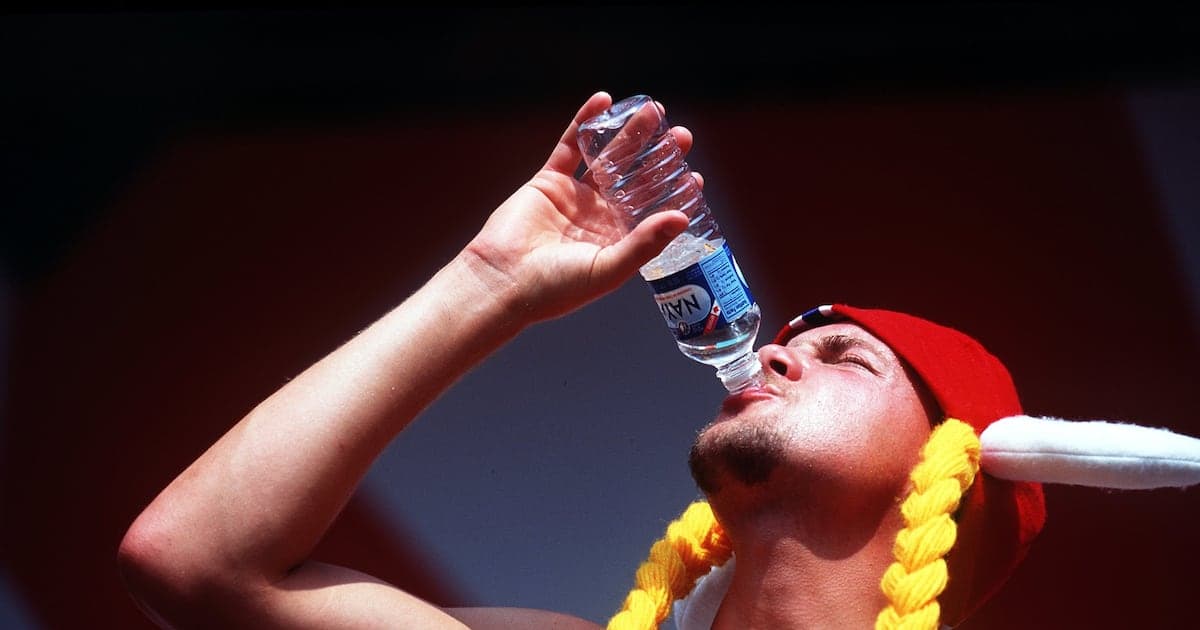
In the latest change, fans will now be allowed to take one soft, plastic, factory‑sealed disposable bottle of water – 20 ounces (590ml) – into any World Cup 2026 match in the USA and Canada.
That is a significant shift from earlier in the week, when Fifa abruptly scrapped a previous rule that let ticket holders bring in empty, transparent, reusable bottles of up to one litre. The governing body had insisted the clampdown was about safety, not sales, and said the ban was intended to “prevent risk and injury to players and attendees”.
The reaction was swift. Fan groups condemned the move, warning of the health risks for supporters facing extreme heat in North American host cities. Scientific experts echoed those concerns, pointing to the dangers of dehydration in packed stadiums.
Then came a political hit from London. British prime minister Keir Starmer, speaking to LBC, called the policy “wrong” and said he “can’t help but think that it’s about making money”. He highlighted the contradiction at the heart of the rule: fans barred from bringing in their own bottles, yet able to buy water once inside – at a price.
“So you can’t bring plastic bottles in but you can buy a bottle of water when you get in the crowd? And then it’ll be expensive,” Starmer said, adding that tickets themselves “cost a fortune, far too expensive in my view” and branding the overall approach “the wrong policy”.
The pressure told. In a fresh statement, Fifa confirmed the partial U‑turn on Friday, outlining the new allowance for one sealed disposable bottle per fan. World Cup 2026 chief operating officer Heimo Schirgi underlined the line that will not be crossed: “What is not allowed are hard-sided resealable water containers, which could pose a safety and security risk.”
That distinction is crucial. Fifa is holding firm on its stance against rigid, refillable bottles, arguing they could be used as projectiles, while trying to blunt criticism over spectator welfare in what is expected to be a sweltering tournament.
The contrast with recent experience in the United States is stark. At last summer’s Club World Cup, also staged in the US, supporters were allowed to bring empty bottles and refill them inside. Water was on sale in those stadiums too, typically between £3 (€3.47) and £4.50, but fans at least had the option to manage their own supply.
Now the World Cup, a far bigger stage with far greater scrutiny, will unfold under a compromise: one small sealed bottle per person, no reusable containers, and the rest left to stadium vendors and hydration stations.
With temperatures likely to dominate the narrative around 2026 almost as much as tactics and star names, the way Fifa handles something as basic as drinking water may prove a defining subplot of the tournament.