Egypt's Historic World Cup Victory Led by Salah
Egypt have waited almost a century for this. Three World Cup campaigns, no wins, only scars and stories. In Vancouver, with the clock ticking on Mohamed Salah’s peak years, the wait finally ended.
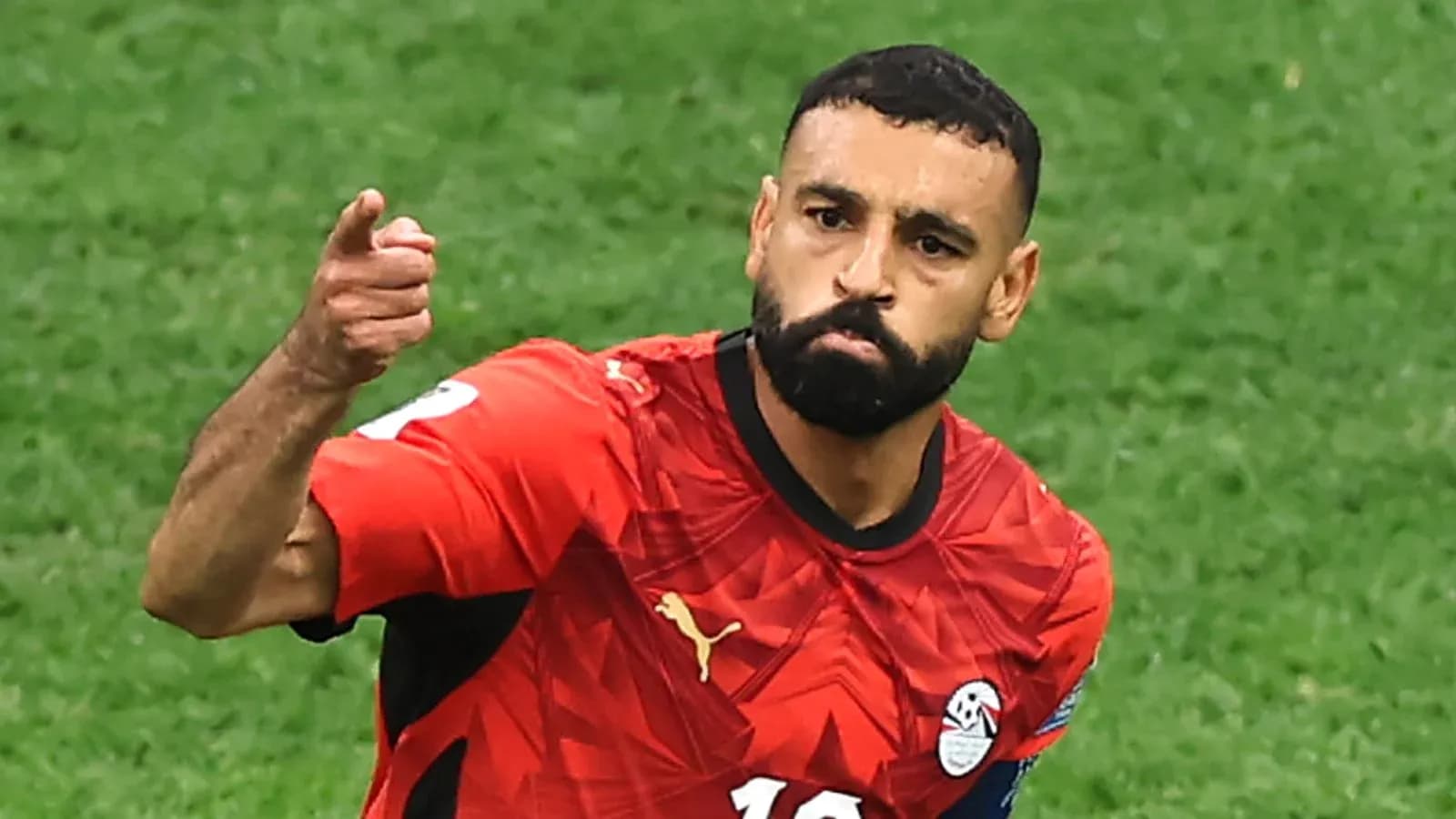
A 3-1 comeback against New Zealand delivered Egypt’s first-ever World Cup victory. It also underlined something else: in a tournament sold as the World Cup of the superstar, Salah still belongs in the marquee lights.
A flat Egypt, a fired-up New Zealand
For 45 minutes, Egypt looked like they had carried all that history onto the pitch like a weight. The passing was slow, the movement predictable, the energy strangely low for a side chasing a first win on this stage since 1934.
New Zealand sensed it.
Mostafa Shobeir had already been forced into a sharp save at his near post from Elijah Just on 14 minutes when the breakthrough came. From the resulting corner, Egypt simply switched off. Finn Surman didn’t need a second invitation: left unmarked, he rose and powered his header in. Basic defending, brutally punished.
Egypt were rattled. Salah, the man an entire nation turns to, barely had a touch of consequence. His one clear sight came on 35 minutes, a free-kick rolled into his path by Omar Marmoush on the edge of the box. The angle was good, the technique familiar. The shot curled the wrong side of the left-hand post. A collective groan, the sound of doubt creeping in.
New Zealand, tidy and composed, dominated long spells of possession. They moved the ball with purpose, found pockets between the lines and looked the more assured side. Egypt, by contrast, shuffled through the half as if waiting for someone else to change it.
That someone, inevitably, was waiting in the dressing room.
Hassan’s half-time jolt
Whatever Hossam Hassan said at the interval, it stripped the fear out of his players.
Egypt emerged a different team. They pressed higher, snapped into duels, and started to run at New Zealand’s back line with conviction. Salah began to drift into dangerous spaces. Full-backs overlapped. The game tilted.
New Zealand still carried a threat. On 52 minutes, Callum McCowatt looped a header towards the top corner, forcing Shobeir into another alert tip over the bar. Had that dropped in, the story might have ended there.
Instead, the pressure built. The equaliser felt inevitable.
On 58 minutes, Mohamed Hany finally found the delivery Egypt had been searching for all night. From the right, he swung in a teasing cross. Mostafa Ziko ghosted between defenders, completely unchallenged, and planted his header past Max Crocombe. Simple. Ruthless. Egypt were level, and suddenly they looked like they believed.
New Zealand, who had controlled so much of the first half, began to retreat. The line dropped a few yards. The passes lost their zip. Egypt smelled weakness.
Salah takes centre stage
Then the game turned on the moment everyone in the stadium had been waiting for.
Nine minutes after the equaliser, Egypt broke at speed. Ziko carried the move, Salah gliding into space beside him. A quick exchange of passes sliced New Zealand open. The ball came back to Salah on his left foot, inside the box.
How many times has that picture played out in the Premier League? Same body shape, same calm. He opened up and swept the finish home, low and precise, as if he’d been doing it on this pitch for years.
Egypt in front for the first time. Vancouver erupted.
The goal carried extra weight. At 34, Salah became Egypt’s oldest World Cup scorer and the oldest African player on record to both score and assist in a World Cup match. The numbers underline it: this is a veteran refusing to drift quietly into the background.
His influence didn’t stop with the finish.
On 82 minutes, he stepped over a corner from the left, the delivery whipped with that familiar whip and dip. Substitute Trezeguet attacked it, diving to meet the ball and thudding his header past Crocombe. From 0-1 to 3-1, Egypt had not just turned the game around, they had imposed themselves.
The knockout stages suddenly looked very close.
There was still time for one more chance. Deep into stoppage time, Zizo rounded Crocombe and seemed certain to add a fourth, but hesitated just long enough for a defender to recover and block. By then, it barely mattered. The job was done.
Salah’s World Cup legacy grows
The numbers around Salah’s World Cup record now read like a tribute to consistency. He has either scored or assisted in every World Cup match he has played.
In 2018, he struck against Russia and Saudi Arabia. In 2026, he set up Mohamed Hany’s goal against Belgium. Against New Zealand, he produced a goal and an assist in a game that may come to define Egypt’s modern football history.
He spoke of “a great achievement for all the players, for the staff” and of the desire to “write history and qualify”. The emotion was clear: this was not just another group-stage win. This was the night Egypt finally stepped out of their own past.
New Zealand left with a must-win
For New Zealand, the mood was very different. Darren Bazeley called the result “disappointing” and it was easy to see why. His side were excellent before the break, dictating the tempo and creating chances, but they could not live with Egypt’s increased intensity.
“Egypt upped the tempo and we couldn't replicate what we were doing so well in the first half,” he admitted. That shift in rhythm cost them. Now, the equation is brutally simple: they must beat Belgium to keep their own dream of making history alive.
Egypt, meanwhile, can allow themselves a brief smile. They have a first World Cup win, a talisman still shining on the biggest stage, and the knockout rounds within reach.
For a nation that has waited this long, the question now is not whether they belong here. It’s how far Salah can carry them.