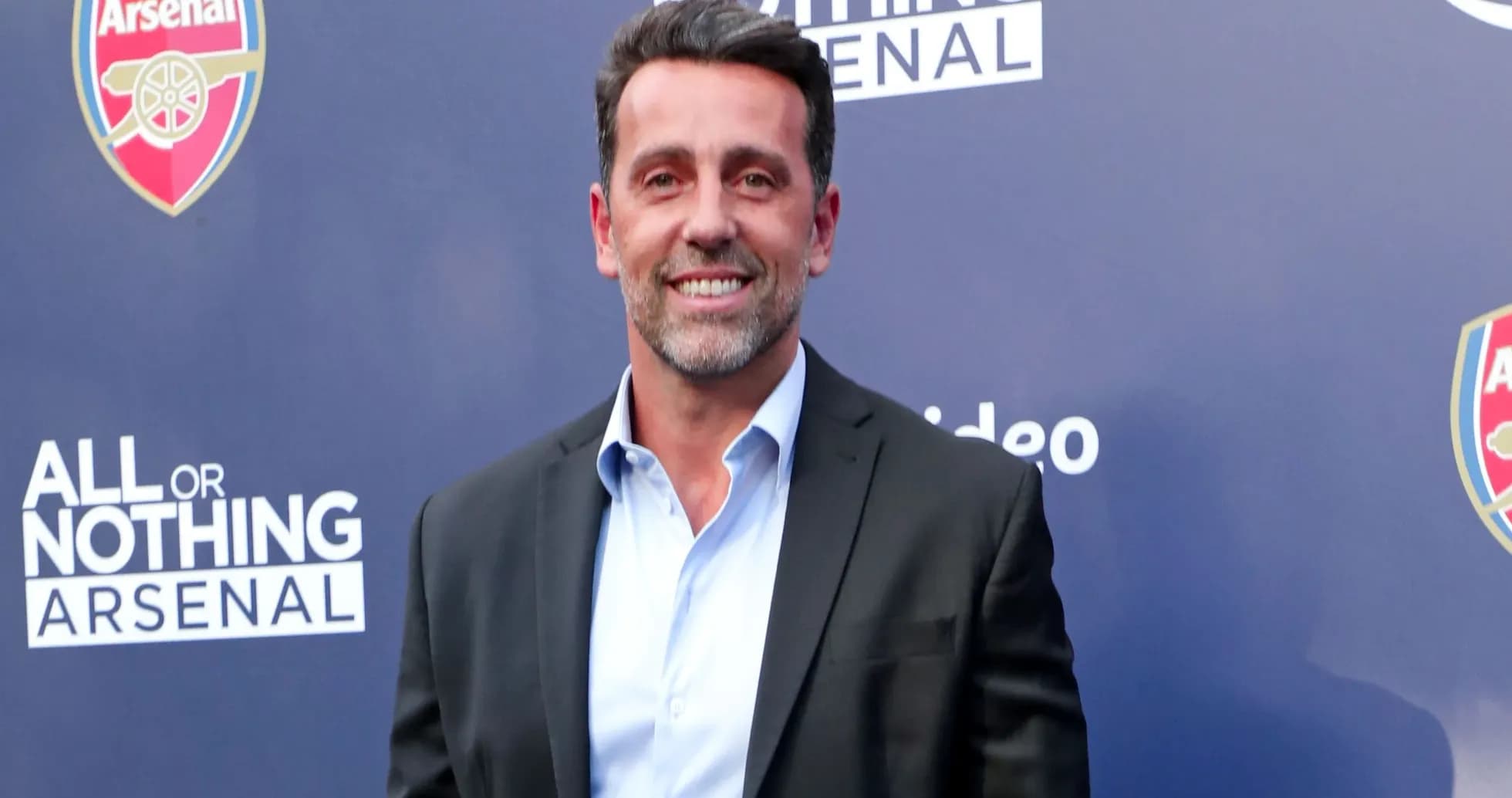
Edu's Nottingham Forest Tenure Ends Amid Turmoil
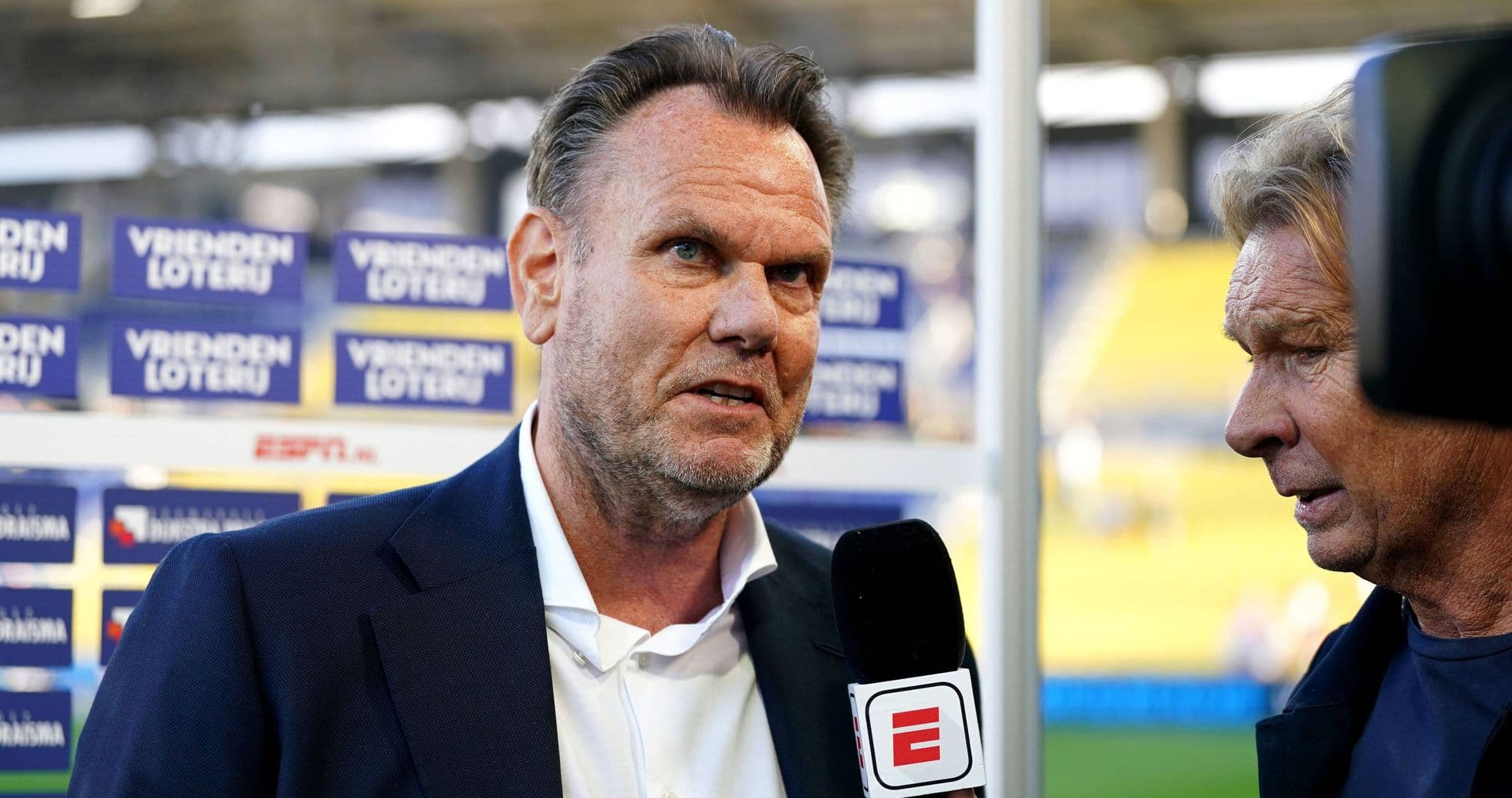
Edu’s short and stormy spell at Nottingham Forest is over, with the Brazilian executive officially leaving the club just over a year after arriving to front their ambitious multi-club project, according to The Athletic.
In truth, the break-up has been playing out in slow motion for months.
The 48-year-old has been effectively frozen out since the winter. He has not attended a Forest match since February and has not set foot inside the City Ground or the club’s training base since early March, when the first reports of his looming departure surfaced. From that point on, his role existed more on paper than in practice.
Forest, though, are not planning a grand announcement. There will be no search for a like-for-like successor either. Chief Football Officer George Syrianos has already stepped into the vacuum, taking on a wider brief once Edu was sidelined. His expanded remit also cushions the blow of losing Ross Wilson, who left for Newcastle United in October last year and had previously been a key figure in the club’s football structure.
The shift in power comes at the end of a season that shredded Edu’s standing at the City Ground.
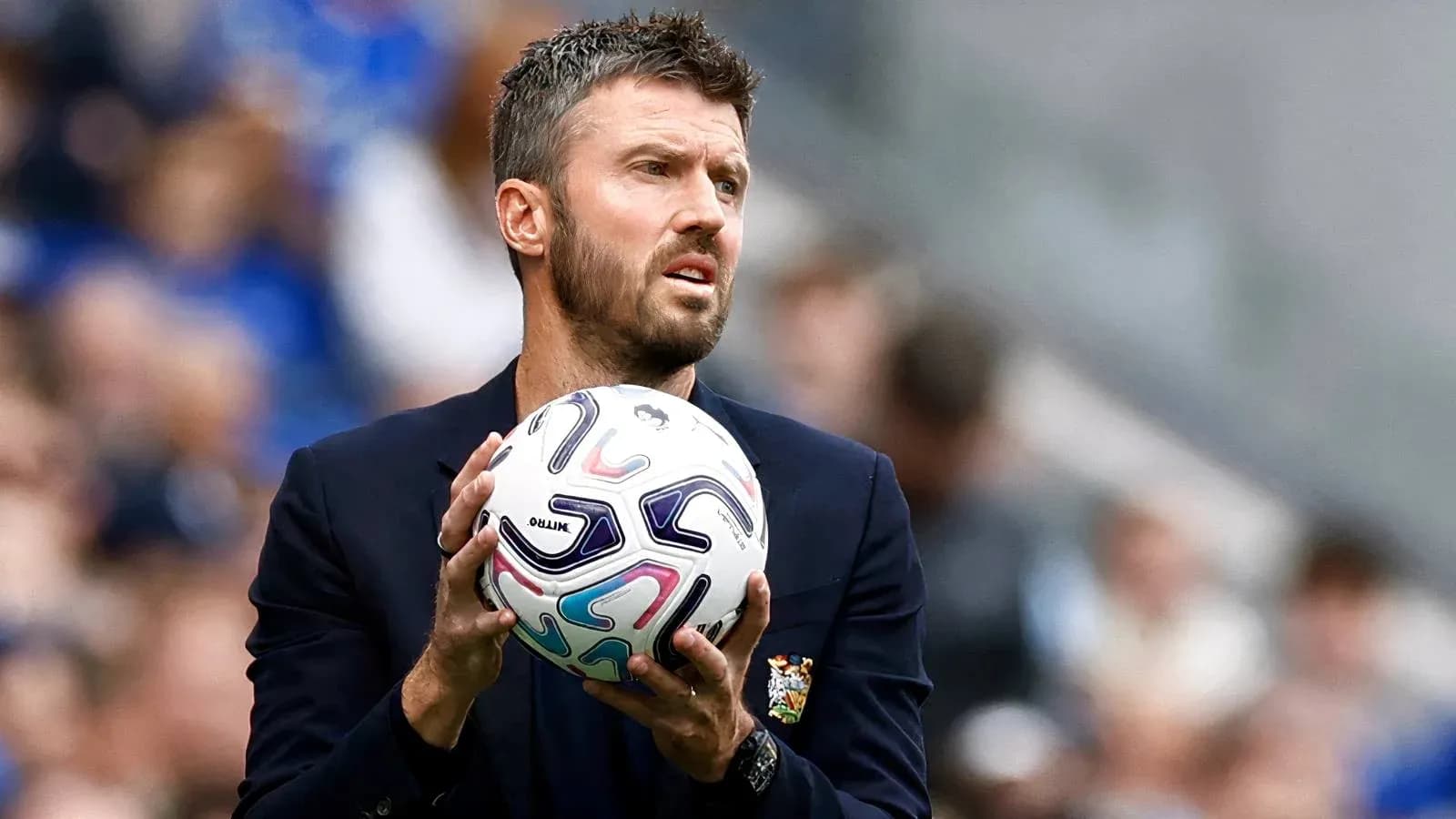
Forest, who had previously flirted with Champions League qualification under Nuno Espirito Santo, unravelled into a fraught relegation fight. The turning point came off the pitch: a serious rift between Nuno and Edu triggered the manager’s exit and lit the fuse on months of instability.
From there, the dugout became a revolving door.
- Ange Postecoglou’s tenure lasted just 39 days before he was moved on.
- Sean Dyche followed, only to be dismissed in February.
- Vitor Pereira then took temporary charge, but his stint also proved brief, with former Crystal Palace manager Oliver Glasner eventually handed the job as Forest tried to claw back some sense of continuity.
Stability never really arrived. The constant upheaval in the technical area mirrored the confusion in the recruitment department.
Edu’s transfer strategy came under fierce fire from supporters and pundits alike. Forest spent heavily, backed by substantial investment, but the returns were meagre. High-profile names such as Omari Hutchinson, Douglas Luiz and Oleksandr Zinchenko arrived with big reputations and bigger expectations, yet none managed to shape the season in the way the club had hoped. The squad grew, the wage bill swelled, but the team on the pitch looked increasingly disjointed.
For Edu, it was a jarring contrast to the image he had built elsewhere.
He joined Arsenal in 2019 as the club’s first technical director, quickly becoming central to their rebuild. He appointed former teammate Mikel Arteta later that year and, as the project gathered momentum, was promoted to sporting director in November 2022. By the time he resigned unexpectedly in November 2024, he was widely regarded as one of the sharpest operators in European football.
That reputation was rooted not only in his work in North London but in a broader body of experience. A member of Arsenal’s iconic 2003-04 ‘Invincibles’ as a player, Edu had already built a substantial off-field CV before returning to Europe’s top leagues in an executive role. He spent five years as director of football at Corinthians, briefly advised the Iran national team in 2014, and then served three years as general coordinator for the Brazil national side.
Forest was supposed to be the next chapter: a high-profile architect for an ambitious multi-club vision. Instead, his time at the City Ground will be remembered for managerial churn, a fractured dressing room and a recruitment drive that never really clicked.
Now, as Syrianos assumes greater control and Glasner tries to steady the team, the question lingers over Edu: was this a one-off misstep in an otherwise glittering executive career, or the warning sign that his formula no longer fits every club he touches?