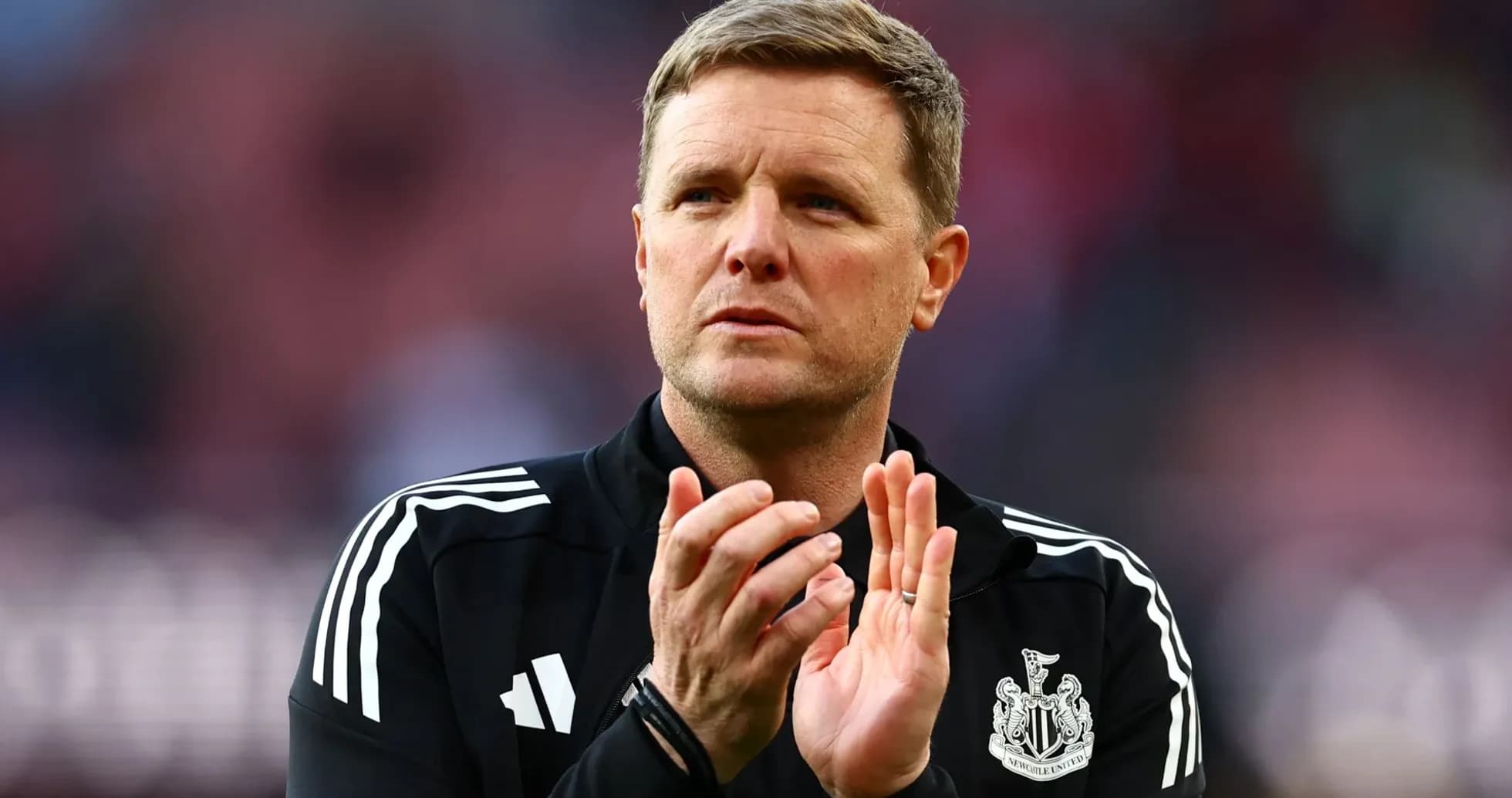
Eddie Howe's Departure: Newcastle Faces Major Changes
Eddie Howe walked out of St James’ Park on 30 July 2026 and left more than a vacancy behind. He left a void.
The man who dragged Newcastle into the Champions League and ended a 70–year wait for a domestic trophy has gone, his departure jolting a fanbase that had come to see him as the architect of a new era rather than the end of one. After 231 games in charge since November 2021, one of the Premier League’s longest-serving managers has been swept away by the same winds of change that are now stripping the squad around him.
On Tyneside, it feels like the project has hit a hard reset.
A Builder Walks Away
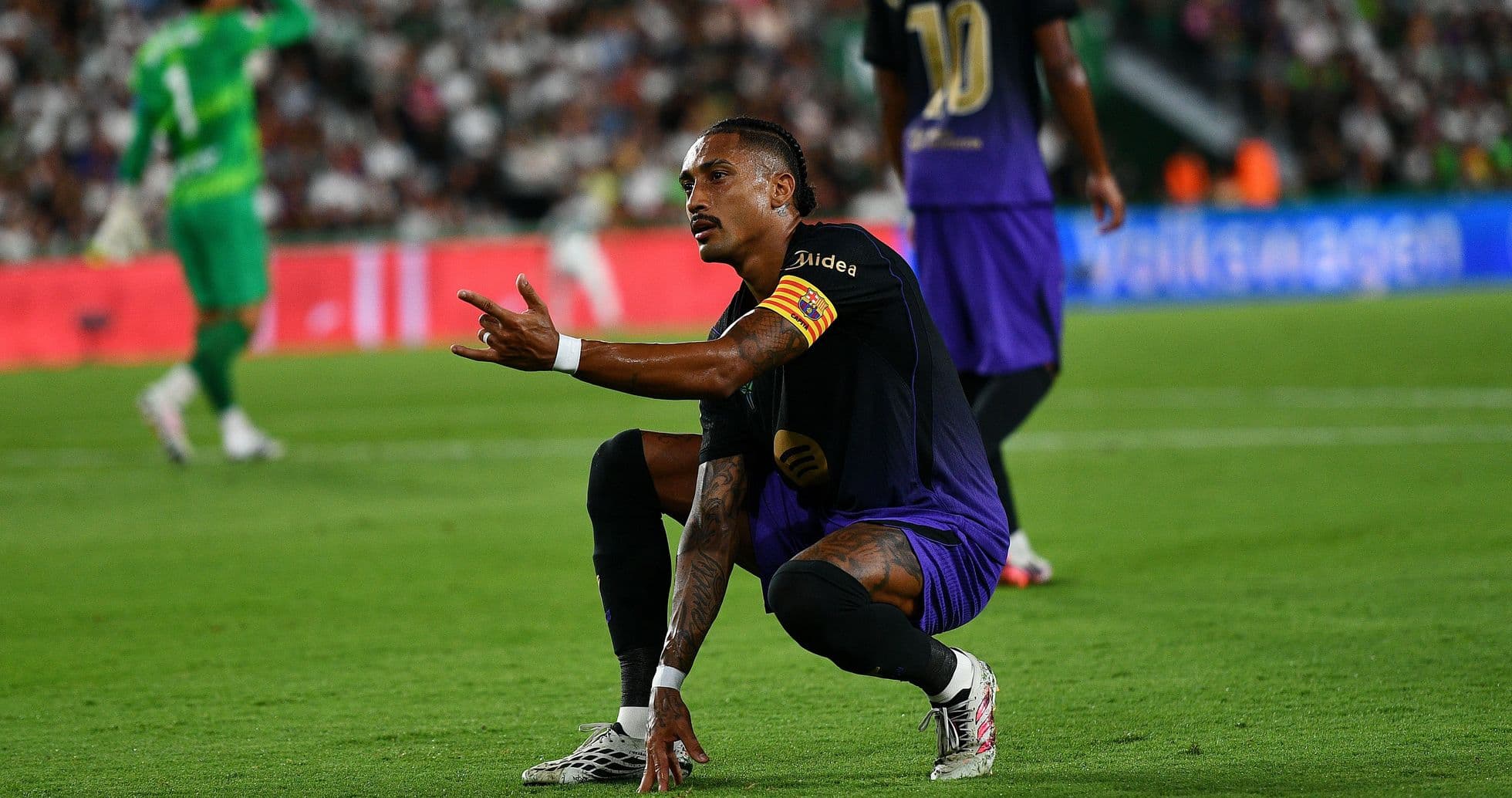
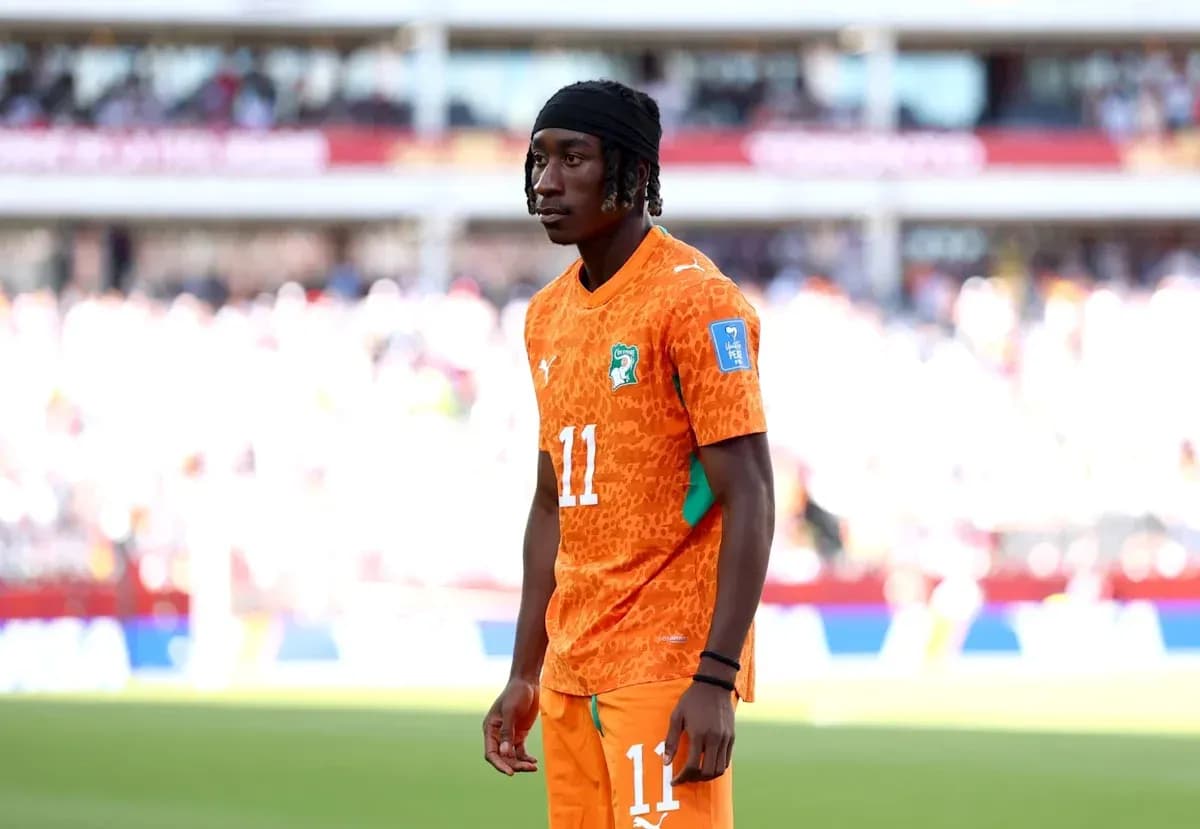
Chris Waddle, Newcastle icon and lifelong observer of the club’s mood swings, understands why Howe stepped off the ride. The exits of Anthony Gordon to Barcelona and Sandro Tonali to Tottenham have already ripped out two of the side’s most dynamic pieces. Bruno Guimaraes is closing on a £75 million move to Arsenal, another cornerstone about to be prised away.
In that context, Howe’s decision looks less like a shock and more like self-preservation.
Waddle, speaking to GOAL in association with BetBrain, did not dismiss the idea that Howe could prove the biggest loss of all. He pointed to a manager who had built “a good squad”, but watched last season’s signings misfire and the team “struggle… week in, week out”. The football remained bold, front-foot, exactly what the “Geordies wanted to see”, and it delivered tangible success: a League Cup triumph, Champions League qualification twice.
That is not a minor legacy. It is a complete rebranding of what Newcastle thought possible.
Yet the departures told their own story. Tonali gone. Gordon gone. Three young, largely unknown players coming in. Guimaraes seemingly on the brink of leaving as well. Waddle’s reading of Howe’s mindset is blunt: the manager may simply no longer have believed he could keep Newcastle as a top-four or even top-six force under those conditions.
At some point, ambition collides with realism. Howe appears to have decided that he had taken this team as far as he could.
England Talk Put on Ice
Whenever an English coach overachieves in the Premier League, the same question follows: is he the next England manager?
Howe has lived with that speculation for years. His stock rose with Bournemouth, then soared on Tyneside. Now, with his diary suddenly clear, the spotlight swings back towards him just as England digest another near miss – a flat semi-final exit at the 2026 World Cup under Thomas Tuchel.
Waddle, though, does not see a coup coming.
He believes Tuchel will be given time, pointing to the German’s outstanding club record and the unique constraints of international football. You cannot buy your way out of trouble with a new centre-half or a winger. You work with what you have. On that front, Waddle sees a “healthy squad” that was always likely to reach the latter stages of the tournament, but never looked like genuine world champions in waiting.
The issue, in his eyes, is profile. England lack a top-class No.10 and an elite winger who can tilt big games on their own. Find those two, he argues, and Tuchel’s job looks very different. Without them, the team remains strong, competitive, capable of giving “anybody a game” – but still short of that final piece.
So Howe, for now, is not the threat to Tuchel’s position that some might hope or fear.
A Different Road for Howe
If England is not next, where does Howe go?
Waddle’s answer is clear: away. Not to another Premier League rescue mission, but abroad.
He paints a picture of Howe as a quiet, intensely focused figure – “football, home, football, home” – who keeps his private life away from the cameras. For a coach like that, Waddle believes the next step should be a move into European football, a year or two spent absorbing different cultures, different training grounds, different expectations.
The distinction he draws is telling. In England, you are a manager. Abroad, you are a coach.
That shift matters. Away from the all-consuming noise of the Premier League, Howe could refine his methods, test himself tactically, and broaden his understanding of how other countries build teams and handle pressure. Waddle is convinced that kind of education would not only help Howe personally, but also strengthen his case for the England job after the next European Championship cycle.
Of course, the Premier League never sleeps. Waddle knows that “after six, 10 games” there will be chairs emptying and phones ringing. Clubs in trouble will look at Howe’s CV and see a proven top-flight operator, a man who has already shown he can stabilise and then elevate a team.
He will not be short of offers. The temptation to jump straight back in will be real.
Yet the sense from those who have watched his rise is that this decision, more than any other, will define his trajectory. Stay in his comfort zone and he remains one of the league’s better managers. Step out of it, embrace a foreign challenge, and he might return as something else entirely.
Newcastle now face life after the man who gave them back their voice. Howe faces a crossroads that could shape not just his future, but the future of the national team.
If he chooses the road Waddle suggests, the next time he walks into St George’s Park, it may not be as a visitor.