Deportivo Cali's Johan Martínez Faces Gunpoint Assault
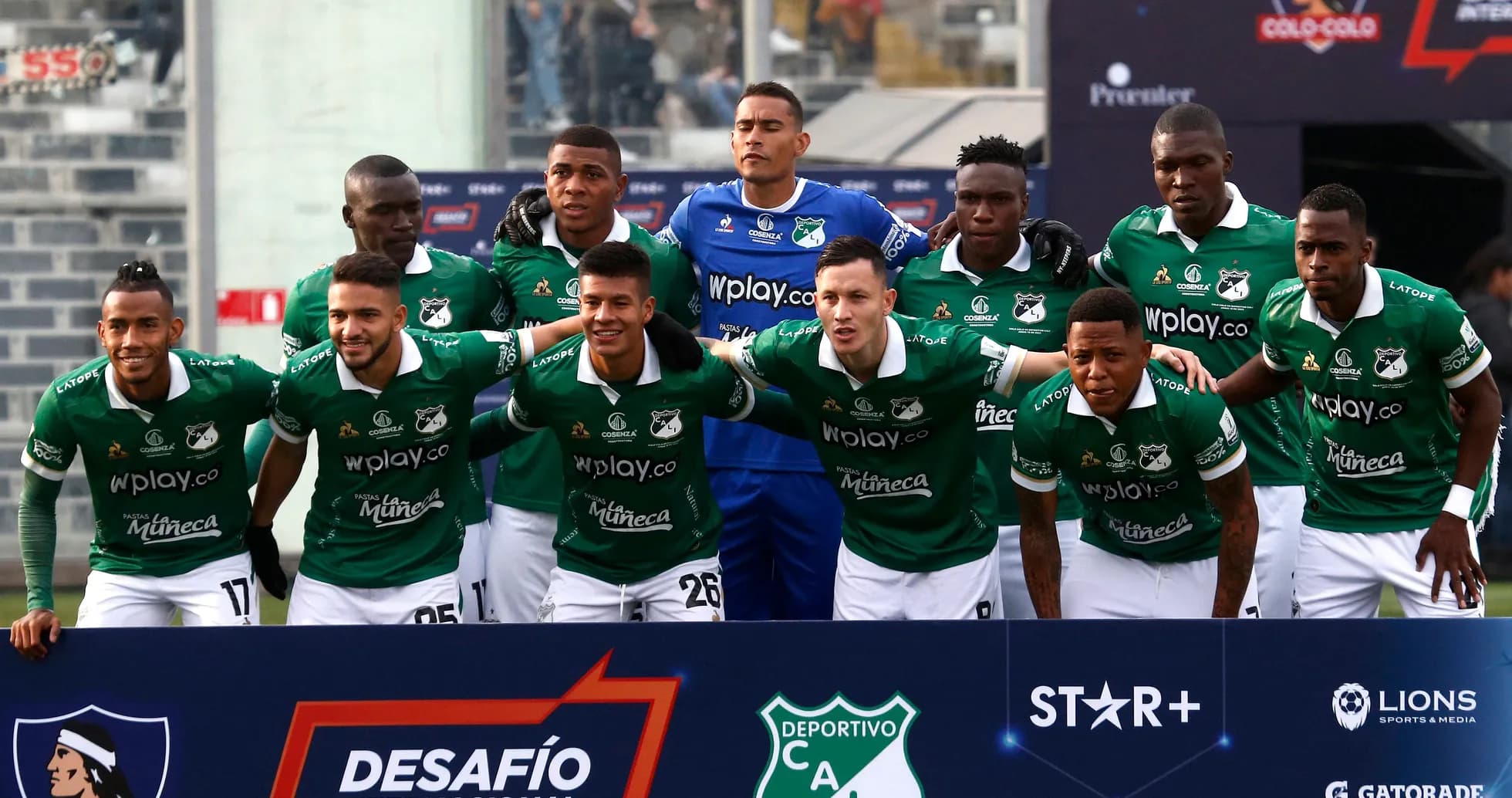
Deportivo Cali has been rocked by a violent assault on midfielder Johan Martínez, who was threatened at gunpoint while travelling through Cali with his family, according to reports from Marca.
The ambush unfolded in the city streets, far from the stadium lights and the relative safety of matchday. Armed assailants intercepted Martínez’s vehicle, confronted him in front of his loved ones and, as club officials later confirmed, used a firearm to intimidate and assault the player.
From the moment the incident became public, Deportivo Cali moved quickly and forcefully. The club issued a stark official statement, drawing a clear line between football passion and criminal violence.
“Club Profesional Deportivo Cali S.A. categorically rejects the acts of violence and intimidation to which our player was subjected yesterday. Our institution expresses its full support and solidarity with Johan and his family. No form of aggression, threat, or intimidation has a place in football or in our society,” the statement read.
Those words carried a heavy echo in a country where footballers have increasingly found themselves in the crosshairs of frustration, crime and fan extremism.
Speaking to Super Combo del Deporte, club legal director Felipe Restrepo laid bare the brutality of the encounter. “They intimidated him with a firearm, they assaulted him; this cannot happen, people who do this are not fans,” he said, cutting through any attempt to romanticise or excuse the attackers as supporters.
The incident has reignited a fierce national argument: how safe are professional footballers and their families in Colombia right now? This was not a confrontation in a stadium, not a flare in the stands or a banner protest. It was a street-level crime with a gun pointed at a player who wears the shirt of one of the country’s most historic clubs.
Inside Deportivo Cali, the response has gone beyond statements. Club officials confirmed that Martínez has been given intensive psychological support to help him process the trauma of the hold-up. The mental scars, they know, will not fade as quickly as a bruise.
Remarkably, and perhaps defiantly, Martínez has already returned to first-team training. He did not suffer serious physical injuries, a fact the club has stressed, but the context of his comeback says as much about dressing-room resilience as it does about professional duty. Training sessions now carry an extra layer: the ball rolls, the drills continue, yet everyone knows what their teammate has just endured.
Off the pitch, the club has aligned itself with the authorities. Deportivo Cali is working closely with judicial officials and the Cali Police Department in an effort to identify those behind the ambush and to understand the motive. The message is clear: this will not be brushed aside as an isolated scare.
The timing could hardly be more delicate. The team is preparing for its next domestic league fixture, a game that suddenly feels like a test of emotional strength as much as tactical organisation. Coaches and senior players must now manage more than form and fitness; they must steady a squad shaken by the realisation that danger can follow them beyond the stadium gates.
The ball will roll again for Deportivo Cali. The question hanging over Colombian football is darker: how many more warnings like this will it take before players and their families can truly feel safe?