De Zerbi Criticizes Tottenham Collapse After Aston Villa Defeat
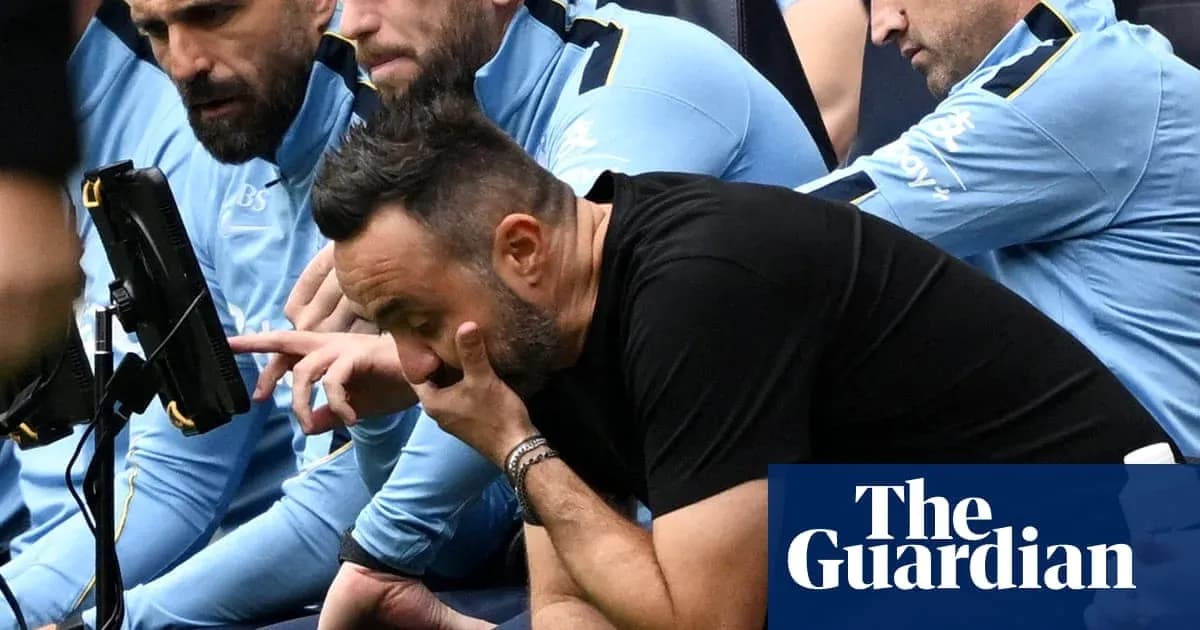
Roberto De Zerbi did not wait for the inquest. At full time of a chaotic 3-2 defeat by Aston Villa, the Tottenham head coach strode straight down the tunnel, leaving the boos to follow him off the pitch and into a bruising international break.
No Premier League win. Just two points on the board. And a manager who had seen enough.
“I am very disappointed, sad and frustrated for the performance,” De Zerbi said afterwards. “We can’t lose the game in this way, we can’t concede the second goal, we can’t lose balance just because we are losing.”
The anger ran deeper than the scoreline. He turned on his players’ mentality, questioned their physical condition and even admitted that the introduction of Mohammed Kudus had upset the team’s structure.
De Zerbi revealed he had tried to calm the storm long before it hit. “I spoke with our four attackers in minute 51, I asked them to use their head, all second half I was telling people to be calm. But the second goal was incredible.”
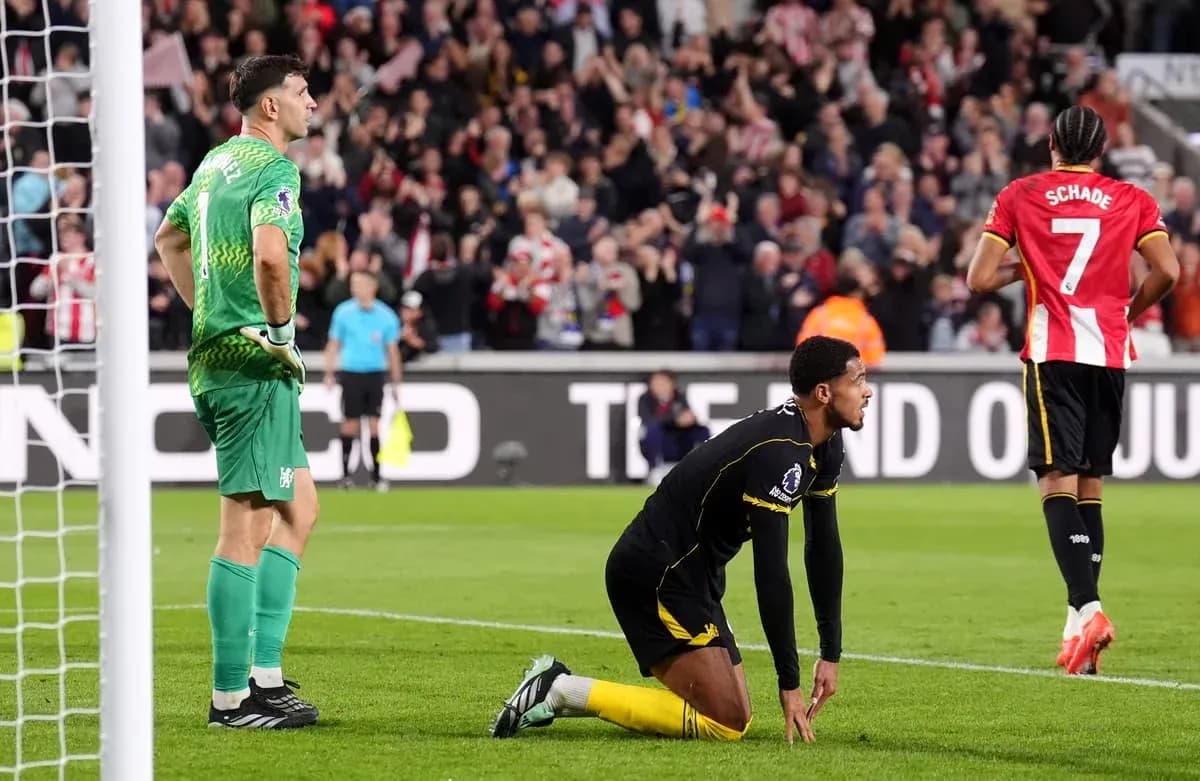
That second goal, on 67 minutes, cut Tottenham open in the most basic way. A long kick from the outstanding Zion Suzuki sailed forward, Jackson broke in behind and finished. Route one, and Spurs were undone.
For De Zerbi, that was unforgivable, because it was no surprise.
“We knew this season Aston Villa are playing 86% more long balls than last season and we spoke in many meetings about it,” he said. “Now we have to explain another game like [the home defeat against] Newcastle where we played the first half well, got to 60 minutes OK, and then we lose.”
The pattern is what clearly disturbs him: bright starts, then a slide into chaos once the game turns. Control evaporates, balance goes with it, and so do the points.
This time, even his bench decisions came under his own scrutiny. Kudus, sent on to change the game, instead changed the equilibrium. De Zerbi did not spare himself, but he made it plain that his players had ignored clear instructions on how Villa would attack.
As the squad disperses for a three‑week international break, there was no Churchillian speech in the dressing room, no last attempt to rally the group before they scattered.
“I didn’t speak with the players today because I didn’t want to say anything,” De Zerbi admitted. “The players who go with the national team have to play and work and the others; for sure we have to work more because I didn’t like the finish to this game. We can’t say everything is bad, but it is not enough.”
Not enough intensity. Not enough resilience. Not enough points.
While Tottenham wrestled with their crisis of confidence, Aston Villa walked away with something far more valuable than their first Premier League win of the season: a reminder of who they are under Unai Emery.
“The players did well because they believed,” Emery said, his message in stark contrast to the turmoil in the home dugout.
Villa did not dominate the ball, but they did not need to. They dug in, trusted their structure and leaned on the spine Emery has built.
“We needed to build a team that could play in this way, could defend with resilience and playing with passion when our opponents were attacking,” he explained. “We needed defenders, we needed the keeper, we needed everyone committed in that direction. We needed to feel strong first, then we could try to play with our structure and our ability. This is the competitive way.”
Where De Zerbi spoke of lost balance, Emery talked about collective commitment. Where one side switched off at a simple long ball, the other embraced the direct approach, backed their goalkeeper’s distribution and their forwards’ movement.
The boos that chased Tottenham into the break will not fade quickly. Villa, by contrast, re-emerge from it with a win that reinforces their identity and a manager whose blueprint once again looks built for the fight to come.