Craig Bellamy's Future with Wales and the Rise of Women's Football
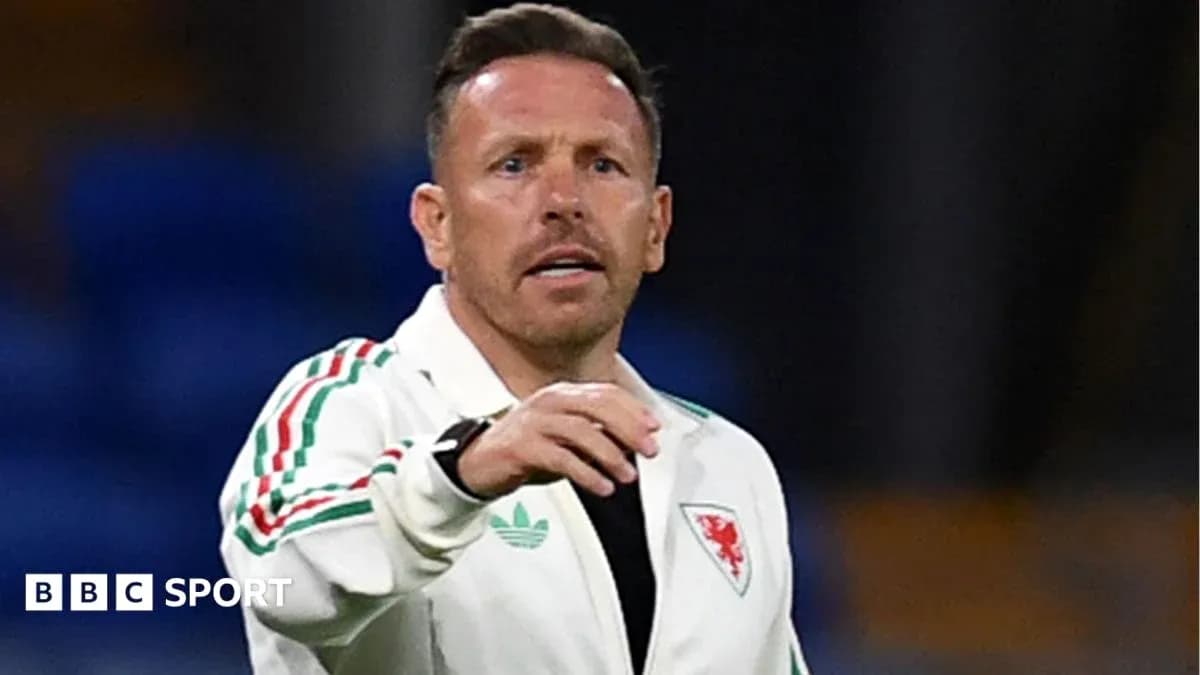
Craig Bellamy was right to sit down with Burnley in the summer. That is the firm view of Football Association of Wales chief football officer David Adams, who insists the Wales boss did nothing wrong by exploring a return to club management.
Bellamy, whose FAW contract runs to the end of Euro 2028, has been open for years about his ambition to work week in, week out in club football. When Burnley came calling after Scott Parker’s exit, the pull of Turf Moor – a former home and a familiar stage – was always going to be strong.
Talks were held. Noise followed.
Reports suggested Bellamy had accepted the job. The story raced ahead of the facts. Yet he stayed put and later stressed it was his call to remain in charge of Wales.
From Adams’ perspective, the process itself was not the problem.
“The way it played out was unfortunate, things get leaked these days,” he said on BBC’s Feast of Football podcast. The speculation built as days passed, but, he stressed, inside the FAW there was no sense of betrayal.
“Internally, Craig has always been very open and transparent about opportunities. We all know that Craig wants to eventually go and work in club football, he's made that very clear across his time here. For him to go and speak to Burnley was the right thing to do, knowing that he does want to do that at some point.”
Adams was not watching from a distance. He was in regular contact with Burnley chairman Alan Pace, just as he had been during the talks that saw Bellamy leave the Lancashire club in 2024 to take the Wales job.
“We were happy for Craig to go and speak to them,” Adams said. “And then unfortunately, the way it played out was that they were saying he had accepted the job when he hadn't.
“Craig was telling us the same thing as that and then one morning he rang and said ‘I'm staying’. Craig's very transparent, we speak a lot, we get on well, so that's how it landed really.”
Behind that calm exterior, the FAW cannot afford to be naïve. Bellamy’s long-term desire to return to club football is no secret, and Adams accepts he has to plan for the day Wales’ manager does walk away.
Succession planning is already in motion.
“Behind the scenes in my job, I have to be alert to these things and I have to have a list of people in the background that I'd speak to if [Bellamy's departure] ever materialised,” he said.
The FAW believes it has hit on a successful template over the last decade: former internationals on the touchline, steeped in the culture, carrying the flag as well as the tactics board.
“We've got a profile of what we're looking for, which we've been pretty successful in doing by selecting former international players into the role,” Adams explained.
“That's always our preference, to find someone who is connected to Wales, is passionate about Wales and has Wales in their heart. That's been a really good profile of manager to look at in the last 10 years and we would try and stick to that profile ideally.”
While Bellamy’s future hovers somewhere down the road, another story is racing forward: the rise of the women’s game in Wales.
Adams’ voice lifts when the subject switches to Cardiff’s Principality Stadium landing the women’s Champions League final in 2029. For Welsh football, he believes, that single night could change everything.
“It's absolutely incredible, a game-changer for us,” he said.
Cardiff has done this before. Cardiff City Stadium staged the women’s Champions League final in 2017, the same year the men’s showpiece came to the Principality Stadium – rebadged as the National Stadium of Wales for Uefa events. But the landscape around the women’s game has shifted dramatically since then.
“When I first came into the job, we were getting maybe 1,000 people at Rodney Parade for women's games,” Adams recalled. “We got 15,000 at Cardiff City Stadium in this last campaign, so you can see the growth and how quickly the game is moving.”
Those numbers are not just statistics; they are a signal to a generation. Young girls watching their heroes at Cardiff City Stadium and at the Principality Stadium, Adams says, find something powerful in that picture. It is “just inspirational for those players”.
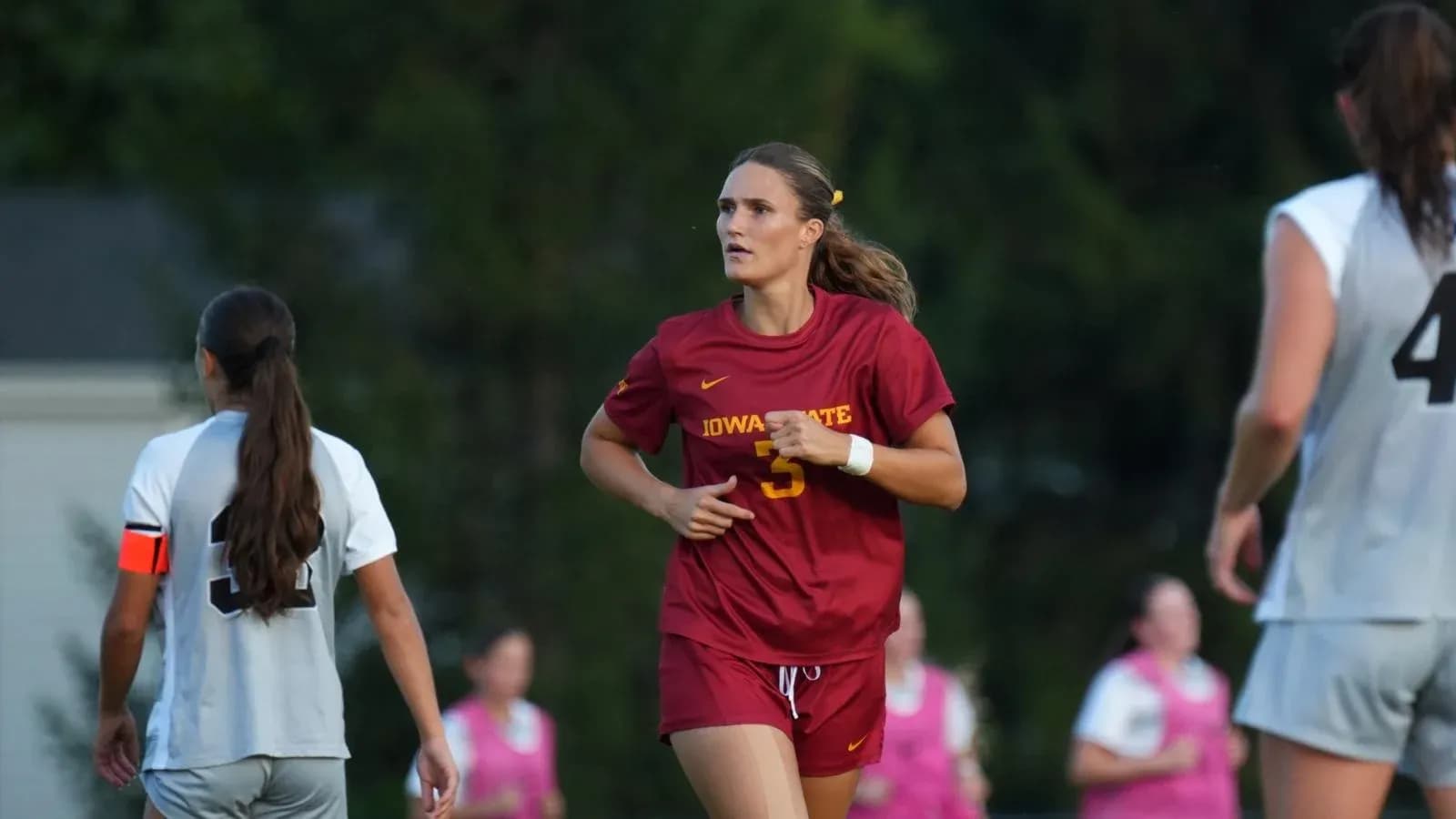
On the pitch, Wales’ women have already broken new ground. Under Rhian Wilkinson, they have qualified for a major tournament for the first time, booking their place at Euro 2025 in Switzerland. The next target is even bigger.
A first World Cup.
The 2027 qualifying campaign resumes with a double-header against Albania in October, a pivotal stretch for a team that now expects to compete rather than simply participate. Further ahead, the 2035 women’s World Cup will be staged in the United Kingdom, with England, Northern Ireland, Scotland and Wales all hosting games. Wales not only wants to be there; it wants to be relevant.
That ambition demands depth. It demands a player pool that can stand up to the best in Europe and beyond.
“Our goal is to create a pathway, which hasn't been there for women's football, where girls can actually play in a talent system which prepares them to play in tournament football on a consistent basis,” Adams said.
He is proud of the progress, but he is not pretending the job is done.
“I don't think we're there yet, personally. I think what we've done in the last three years is fantastic, with the girls' regional programme. But now we've got to try and make sure the girls graduate out of that system and play in the top leagues across Europe.
“That's what gives you the best chance of qualifying consistently for major tournaments.”
So Wales stands in an intriguing place. A high-profile men’s manager who will one day chase his club dream, and an FAW already sketching the outline of the next man or woman in line. A women’s programme breaking barriers, with European finals coming to Cardiff and World Cups on the horizon.
The question now is not whether Welsh football is moving. It is how far, and how fast, it can push from here.