Bournemouth's Historic European Win: From -17 to Europa League
The white banner in the away end said it all.
“From -17 to Europe.”
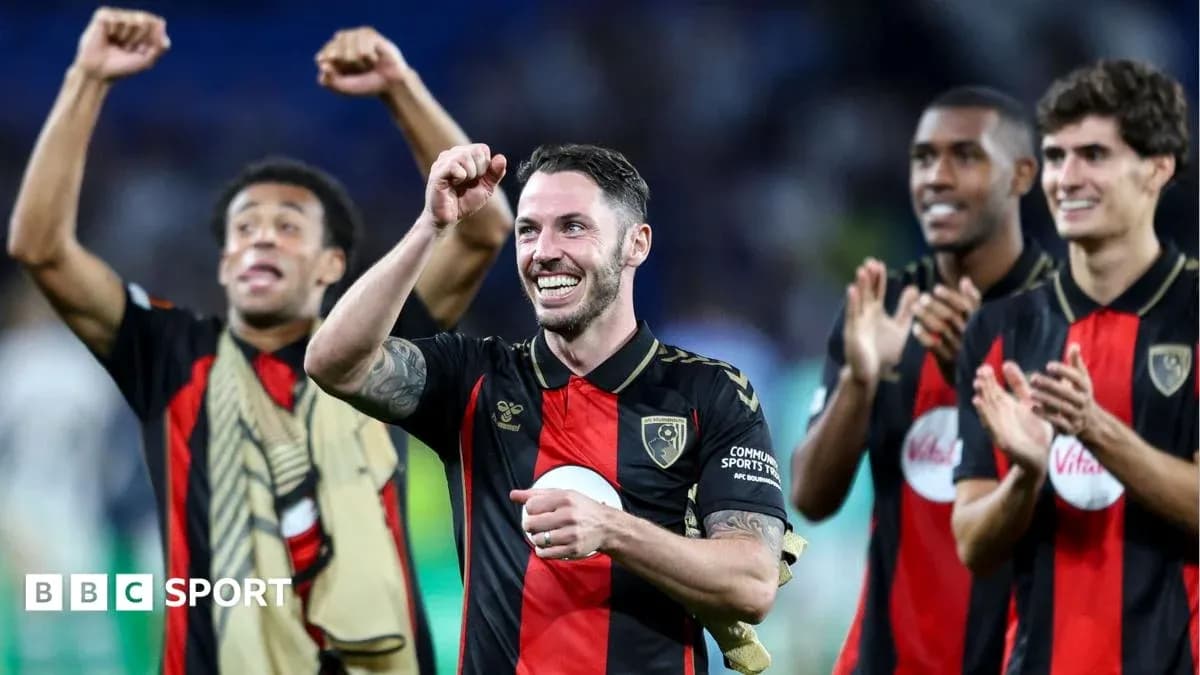
At the Anoeta, under the lights and the drizzle of San Sebastian, Bournemouth finally lived out the line that has followed them for years. Not as a plucky underdog slogan, but as a statement. A 2-1 win over Real Sociedad in their first ever European match. A proper European away scalp. And a reminder that this club has no intention of treating the Europa League as a sightseeing tour.
It has been 11 years since Bournemouth first reached the Premier League. Long enough for a generation on the south coast to grow up thinking top-flight football is simply what this club does. From that angle, Europe feels like a natural next step for a well-run, ambitious operation.
For most of the 2,000 away fans bouncing in the Basque night, it felt anything but normal.
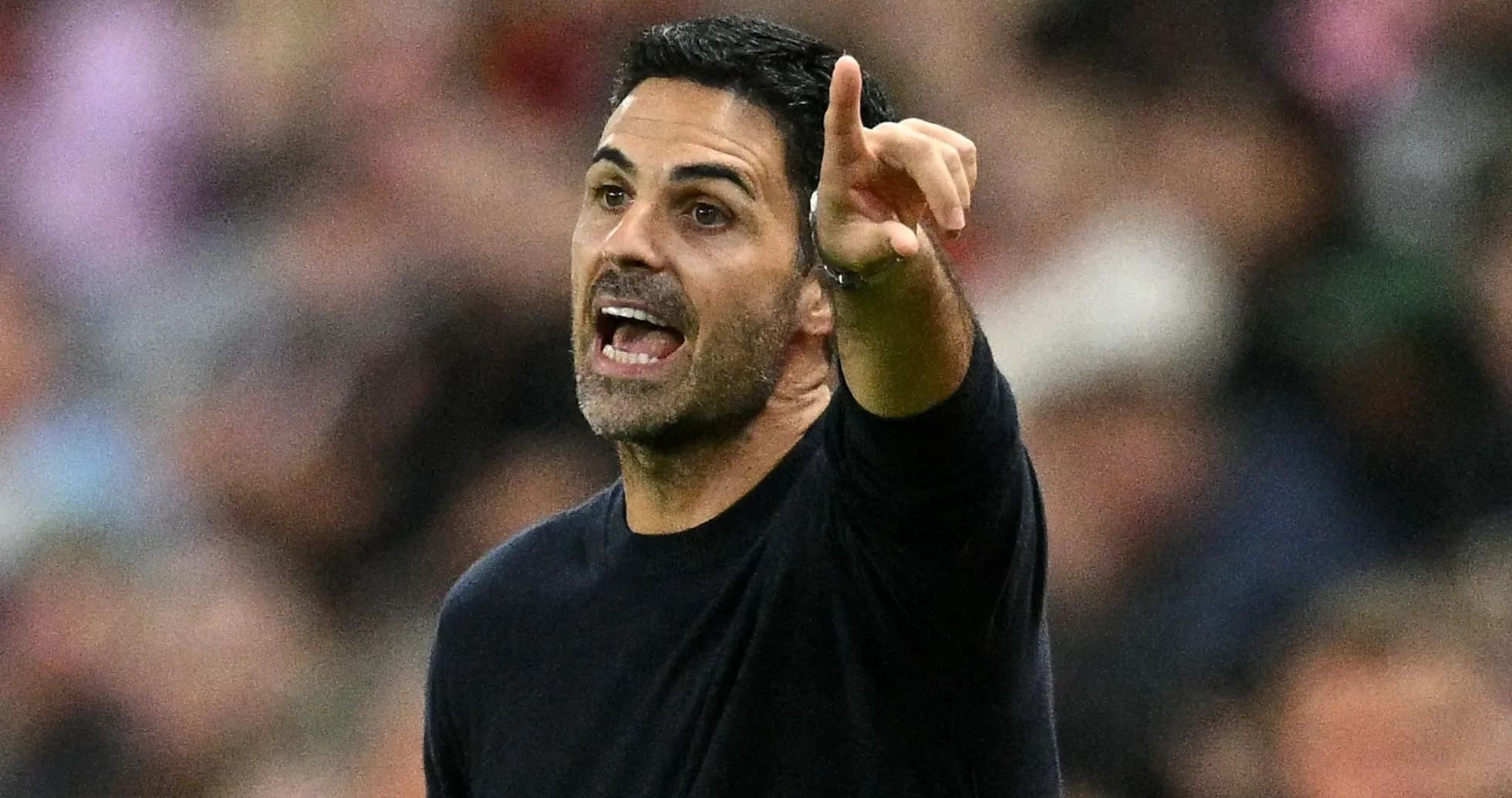
“A brilliant win in our first European game. It’s brilliant for the club and the 2,000 fans from Bournemouth,” manager Marco Rose told TNT Sports, his voice cutting through the noise of a night that already belongs in club folklore.
From the brink to the big stage
Eighteen years ago, Bournemouth were staring at the trapdoor. Administration, a 10-point deduction, relegation to League Two. The following season they kicked off with a 17-point penalty simply to stay in the Football League, forced to accept the punishment and waive any appeal because they had failed to meet the terms for exiting administration.
Back then, survival at Macclesfield or Morecambe was the concern. The idea of a £100m-rated midfielder clipping passes for a Brazilian winger to nod in a European winner was fantasy territory.
Yet here they are.
Alex Scott, all swagger and composure, ran the game for long spells in San Sebastian, underlining exactly why top Premier League clubs are circling. Ahead of him, Rayan again showed the kind of explosive quality that has Bournemouth bracing to demand every penny of a reported £130m release clause if anyone wants to prise him away.
This is Bournemouth’s new reality.
A “proper” European away performance
They had no reference point for a night like this. No archive of famous European trips to lean on. So they wrote their own template.
Up against a Real Sociedad side fronted by World Cup winner Mikel Oyarzabal and fresh from beating Atletico Madrid to lift the Copa del Rey last season, Bournemouth owned the first half. They didn’t just compete; they suffocated.
Rose’s side hunted in packs, pressing high, pinning Sociedad back, robbing possession repeatedly in advanced areas. When they had the ball, they used it. Composed in tight spaces, brave enough to keep asking questions even when the home defence was set.
The pressure told. The away end believed.
Of course, this is Real Sociedad. There is an edge to this team, a pride in this stadium. They were never going to drift quietly through the second half.
After the break, the Basque side came out snarling. The tempo shifted, the noise rose, and the adrenaline that had powered Bournemouth’s first-half relentlessness began to ebb. The legs grew heavy, the decisions a fraction slower. But the desire to fight stayed where it needed to be.
Bournemouth are not exactly renowned for shutting games down. Leads have slipped in each of their first four Premier League fixtures this season. As Sociedad cranked up the pressure, those memories would have been hard to ignore.
This time, they held.
Djordje Petrovic, sharp and decisive, made the kind of saves that turn a good night into a famous one. Blocks were made, crosses cleared, nerves somehow held. When the final whistle went, it was not just relief that poured out of the away end. It was something closer to disbelief.
“It was very intense and tough,” Rose admitted to TNT Sports. “Brilliant first half in everything. The way we won balls and the possession high up. In the second half, we needed to suffer because we were not so sharp.”
They suffered. They survived. They won.
Howe’s legacy, Smith’s moment
This rise did not begin in Spain. It traces back to January 2009 and the appointment of Eddie Howe, the young manager who walked into a club on its knees and refused to let it fall.
Howe dragged Bournemouth clear of the drop despite that brutal 17-point deduction, finishing nine points above the relegation zone. Six and a half years later, in his second spell, he had hauled a transformed club into the Premier League.
So it felt fitting that on this latest landmark night, the team was led out by a player who lived that journey from the early days.
Adam Smith first arrived on loan in the 2010-11 campaign, returned permanently in 2014 and has barely left the pitch since. Approaching 400 league appearances, he has been the constant through promotions, relegations, rebuilds and rebirths.
“Adam has been with the club for so long,” former Cherries full-back Charlie Daniels told BBC Radio Solent. “Dedicated himself to the club, and it’s such a proud moment, not only for him, but for his family, his team-mates and old team-mates to see how he’s grown – not only as a player but as a man as well.
“To lead out the Cherries on this historical night is fantastic.”
Smith carved his own slice of history too. At 35 years and 141 days, he became the oldest English outfielder to make his debut in major European competition since Ipswich’s Reginald Pickett in 1962. A number that underlines not just his longevity, but the length of Bournemouth’s wait for a night like this.
No one on that pitch will have understood the significance more clearly than the club captain.
The good times, at last
The story has not been smooth even in the modern era. Relegation from the Premier League in 2020. The constant churn of squads, the annual fight to replace players picked off by Europe’s elite. Every summer, another key figure linked away. Often, another one gone.
Not even European qualification could keep hold of Andoni Iraola, the man who helped steer them to this stage. He returns to the Vitality Stadium with Liverpool on Sunday, a reminder of how quickly this club’s best work can attract bigger predators.
That pattern is unlikely to end. Bournemouth know that now. They live in a football food chain that does not always favour them.
But nights like this change the conversation.
They change how players see the club. How fans see their own story. How opponents treat a trip to the south coast, or a visit from Bournemouth in their own backyard.
On Thursday in San Sebastian, beneath that banner in the away end, Bournemouth did more than win a football match. They drew a straight, defiant line from -17 points in League Two to three points in the Europa League.
The question now is not whether this was a one-off. It’s how far this journey, already stretching belief, still has left to run.