Colombia vs Switzerland: A Battle for World Cup Quarterfinals
Four wins from immortality. For Switzerland and Colombia, the road to a first World Cup crown runs through Vancouver, where the last ticket to the 2026 quarterfinals will be punched under the roof of BC Place on Tuesday night.
It is a meeting of two nations chasing history, each one step from matching their best-ever run on the global stage, each convinced this is the generation to go further.
Outsiders with teeth
Colombia arrived in North America as dark horses. They have played like something sharper.
Top of Group K. Seven points. Wins over Uzbekistan and DR Congo, a draw with Portugal. One goal conceded in five matches, and that came in their opening game. Since then, Nestor Lorenzo’s side have wrapped themselves in defensive discipline without sacrificing the edge that has long defined Colombian football.
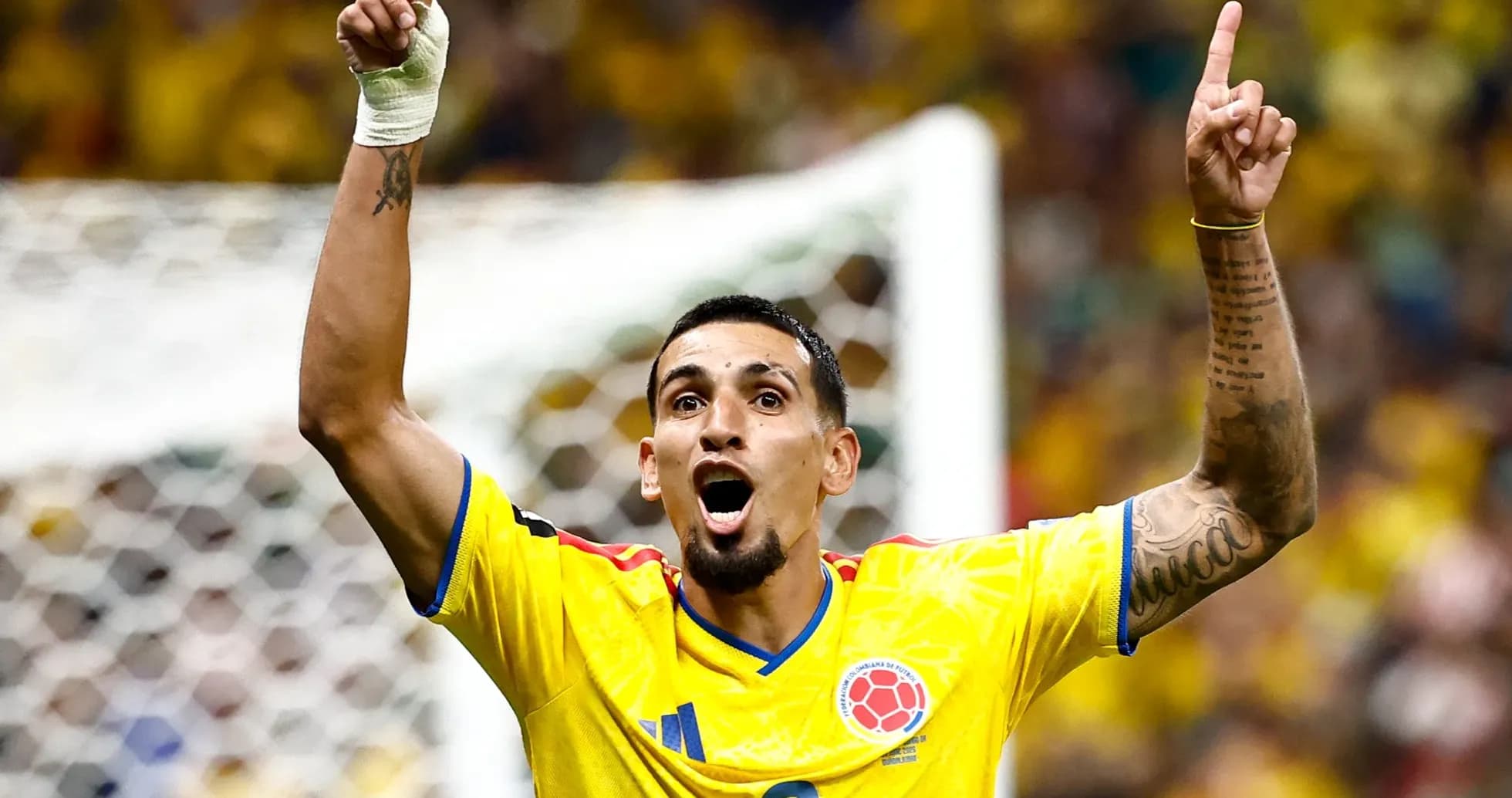
The numbers are modest but meaningful: five goals scored, one conceded. Daniel Muñoz has chipped in twice from full-back, Luis Díaz has a goal and an assist, and the rest of the attack has spread the work. It is not the freewheeling chaos of 2014, but the ambition is the same: get back to the last eight, then try to break new ground.
Lorenzo knows his strength lies in flexibility, not fireworks.
He calls his players “versatile”, men who read games, not just run through them. “They grasp the game, they understand the game,” he said, stressing how their tactical intelligence lets the team adapt to any rhythm, any opponent. It is not a soundbite; it is a blueprint. Colombia morph from compact and cautious to sharp and vertical in a heartbeat, and that shape-shifting has carried them here.
The challenge now is to impose that control on a Swiss side that has quietly become one of the tournament’s most coherent units.
Switzerland’s new face
Switzerland have made a habit of coming to World Cups, getting out of groups, then fading. This time feels different, largely because of one name that barely figured in pre-tournament previews.
Johan Manzambi.
Twenty years old. Three goals, two assists. A tournament turned on its head by a player who did not even start his first World Cup match.
Since stepping off the bench, Manzambi has transformed Murat Yakin’s attack. He drifts between the lines, drives at defenders, finishes with composure and still finds the final pass. “A very precious and important player,” Yakin called him, praising his constant improvement and team-first mentality. In a squad built on structure and experience, the youngster has added the chaos that unsettles opponents.
Switzerland’s route has been almost spotless. They topped Group B with seven points, beating hosts Canada and Bosnia and Herzegovina and drawing with Qatar. In the round of 32 they brushed aside Algeria 2-0, finally ending an 88-year wait for a World Cup knockout win. Not since 1938 had the Swiss celebrated such a moment.
The forward line has carried the surge. Between Manzambi, Breel Embolo, Dan Ndoye and Ruben Vargas, they have supplied eight of Switzerland’s nine goals. When that quartet clicks, the Swiss look like a team capable of finally breaking through the glass ceiling that has held them at the last-16 stage for generations.
Win on Tuesday and they reach a World Cup quarterfinal for the first time since they hosted the tournament in 1954, and only the fourth time ever.
Home away from home
BC Place has become a familiar stage for the Swiss. This will be their third straight match in Vancouver, a small but genuine advantage in a tournament of constant travel. They know the pitch, the stadium’s quirks, the noise.
They will need every edge they can find.
Colombia’s blend of attacking flair and defensive rigidity offers little space for opponents to breathe. Switzerland, who like to build patiently and overload central areas through Granit Xhaka and Remo Freuler, will find their passing lanes squeezed by Jefferson Lerma, Jhon Arias and the relentless Puerta in midfield.
The margins are tight. The Opta supercomputer tilts the contest slightly Colombia’s way, giving the South Americans a 41.9 percent chance of winning in regulation time. Switzerland sit at 28.2 percent, with a 29.9 percent probability of the match dragging into extra time.
On paper, it is Colombia’s defensive record against Switzerland’s attacking form. On the pitch, it will likely be decided by who can bend their identity without breaking it.
Injury clouds over Swiss camp
Just as the Swiss momentum seemed to build, the mood around their camp darkened on Monday.
Manzambi, Vargas and Djibril Sow all left training early, sparking immediate concern over their availability. Yakin did not hide his anxiety. If those players miss out, Switzerland lose not just talent but balance: Manzambi’s invention, Vargas’s direct running, Sow’s control between the lines.
“Everybody is very annoyed because this is going to be a very big loss,” Yakin admitted. “If they might not play, it could be a huge issue for us.”
With Aebischer and Jaquez already sidelined by muscle injuries, the Swiss squad is being stretched at exactly the wrong time.
Colombia have their own absentee. Córdoba is out with a groin problem, trimming Lorenzo’s options in attack, but their core remains intact. The likely XI is familiar: Camilo Vargas in goal; Muñoz, Davinson Sánchez, Jhon Lucumí and Johan Mojica across the back; Puerta, Lerma and Arias in midfield; James Rodríguez, Jhon Suárez and Díaz up front in a 4-3-3 that can quickly tilt into a 4-2-3-1 when James drifts into the pockets he loves.
Switzerland are expected to stick with their 4-2-3-1 if fitness allows: Gregor Kobel behind a back four of Denis Zakaria, Nico Elvedi, Manuel Akanji and Ricardo Rodríguez; Freuler and Xhaka anchoring midfield; Ndoye, Manzambi and Vargas supporting Embolo.
Those lineups, though, now come with an asterisk. The final call may not be made until hours before kick-off.
Old scars, new stakes
History leans Colombia’s way.
The two nations have met four times, three in friendlies and once at a World Cup. Colombia won the only competitive clash, a 2-0 group-stage victory at USA 1994. Their last meeting, in March 2007, also went Colombia’s way, 3-1 in a friendly.
Yet recent form against European opposition has been less convincing. This year Colombia lost friendlies to Croatia and France and drew with Portugal in the group stage of this tournament. Their compact shape can be tested by teams who move the ball quickly and drag them wide. Switzerland, with Xhaka dictating tempo and full-backs stepping into midfield, will try to do exactly that.
The prize is enormous. The winners head to Kansas City on July 11 to face either Argentina or Egypt in the quarterfinals. A date with the world champions or a clash with one of the tournament’s surprise packages awaits.
For Colombia, it would mean equalling their golden run of 2014 and daring to dream of a first semifinal. For Switzerland, it would mean ripping up decades of underachievement in one sweep.
Four wins from immortality. One night in Vancouver to decide who keeps walking that road.