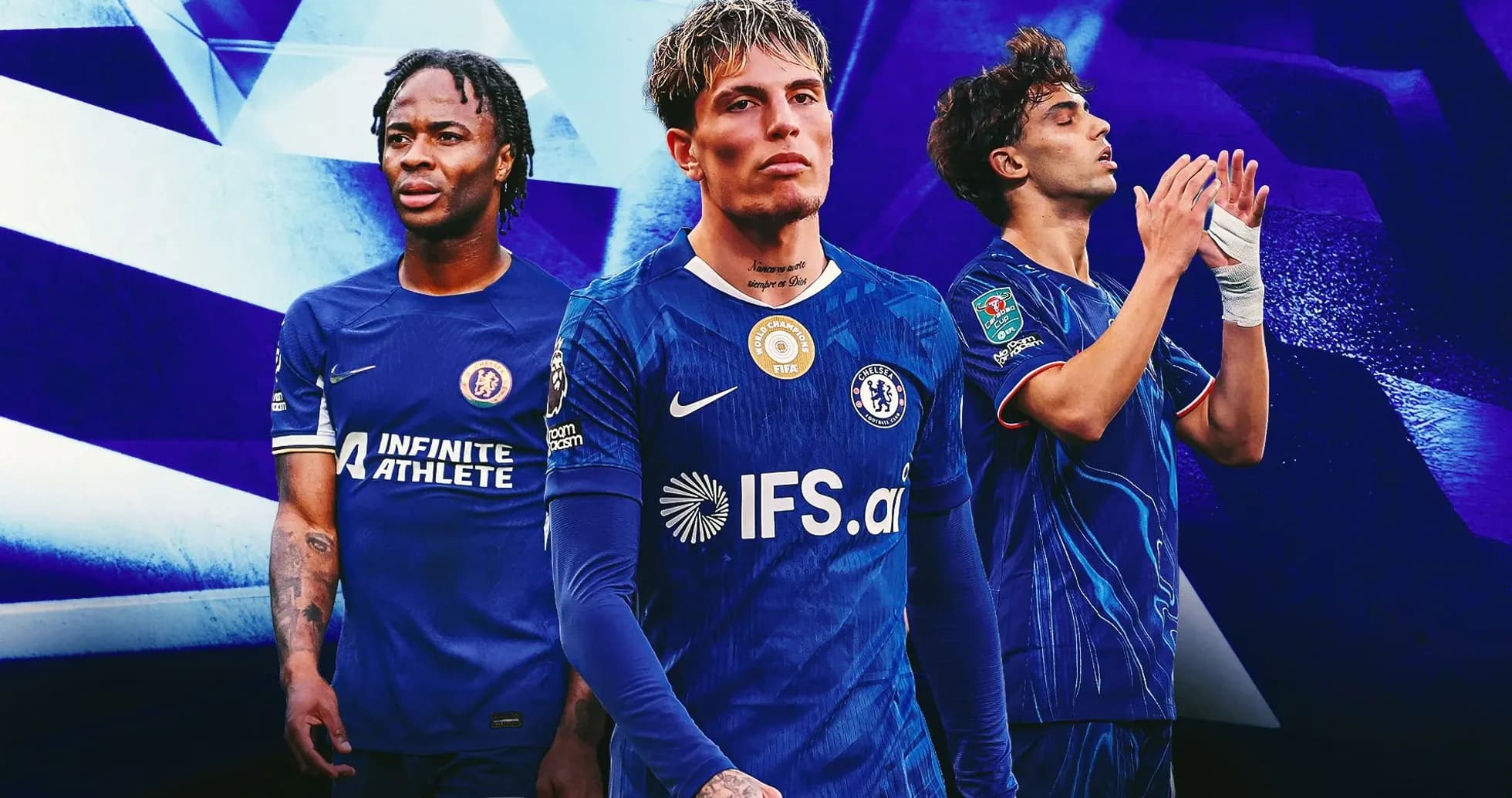
Chelsea's Costly Transfer Missteps: A Case Study
There have been so many missteps in the BlueCo era that the honourable mentions alone could fill a squad list. But some deals stand out, not just as disappointments, but as case studies in how a superclub can lose its way in the market.
Carney Chukwuemeka is one of them.
Signed from Aston Villa in 2022 for £20m after dazzling for England’s Under-19s, he arrived at Stamford Bridge with the kind of noise that usually precedes a breakout star. What followed was silence. Injuries interrupted him, managers overlooked him, and his Chelsea career drifted into irrelevance: 32 appearances in two-and-a-half years, most of them forgettable, before an initial loan and then a permanent move to Borussia Dortmund last summer. A non-event in a period that was supposed to define his rise.
Christopher Nkunku was meant to be the opposite: the headline act.
Chelsea moved early in 2023, paying £52m to prise him from RB Leipzig, convinced they had found the man to lead their attack for years. He had the numbers in the Bundesliga, the reputation, the profile. Then pre-season ripped the script up. A serious knee injury, suffered just as he joined up with the squad, wiped out half of 2023-24. He came back, but the spark never really returned. By the time he was fit, Cole Palmer had taken centre stage. Nkunku slipped into a bit-part role in 2024-25, never quite imposing himself, never quite justifying the billing. Twenty-seven Premier League appearances later, he was sold to AC Milan. A marquee plan that never survived first contact with reality.
Alejandro Garnacho was a different kind of gamble: opportunistic, controversial, and ultimately wasteful.
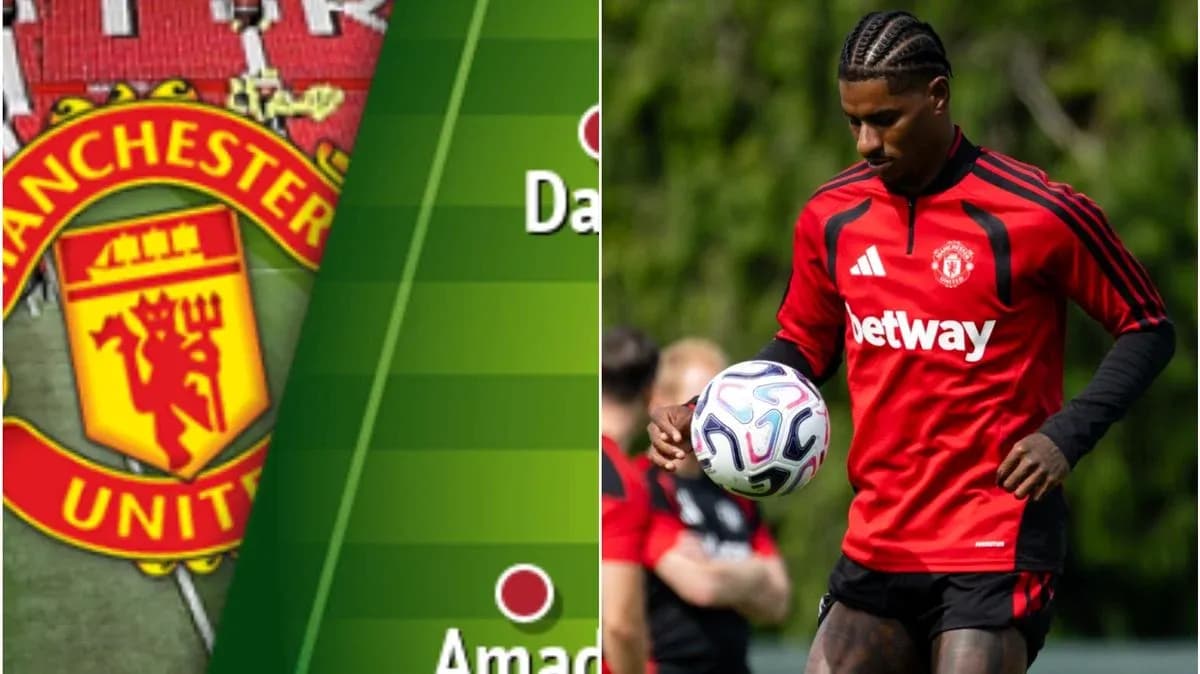
Chelsea pounced when Manchester United, under Ruben Amorim, froze him out, paying £40m last summer to bring one of Old Trafford’s brightest young wingers to west London. United will feel they got the best of that deal. Garnacho arrived stripped of confidence and never rediscovered it. The fearless, direct runner who had lit up United’s left flank looked a shadow of that player. Under Enzo Maresca and then Liam Rosenior, he failed to nail down a place, drifting through games on the left wing, producing performances that blurred into one another. Chelsea are now ready to cut their losses, but the £43-£45m they reportedly want feels wildly optimistic.
Some deals, though, looked doomed almost from day one.
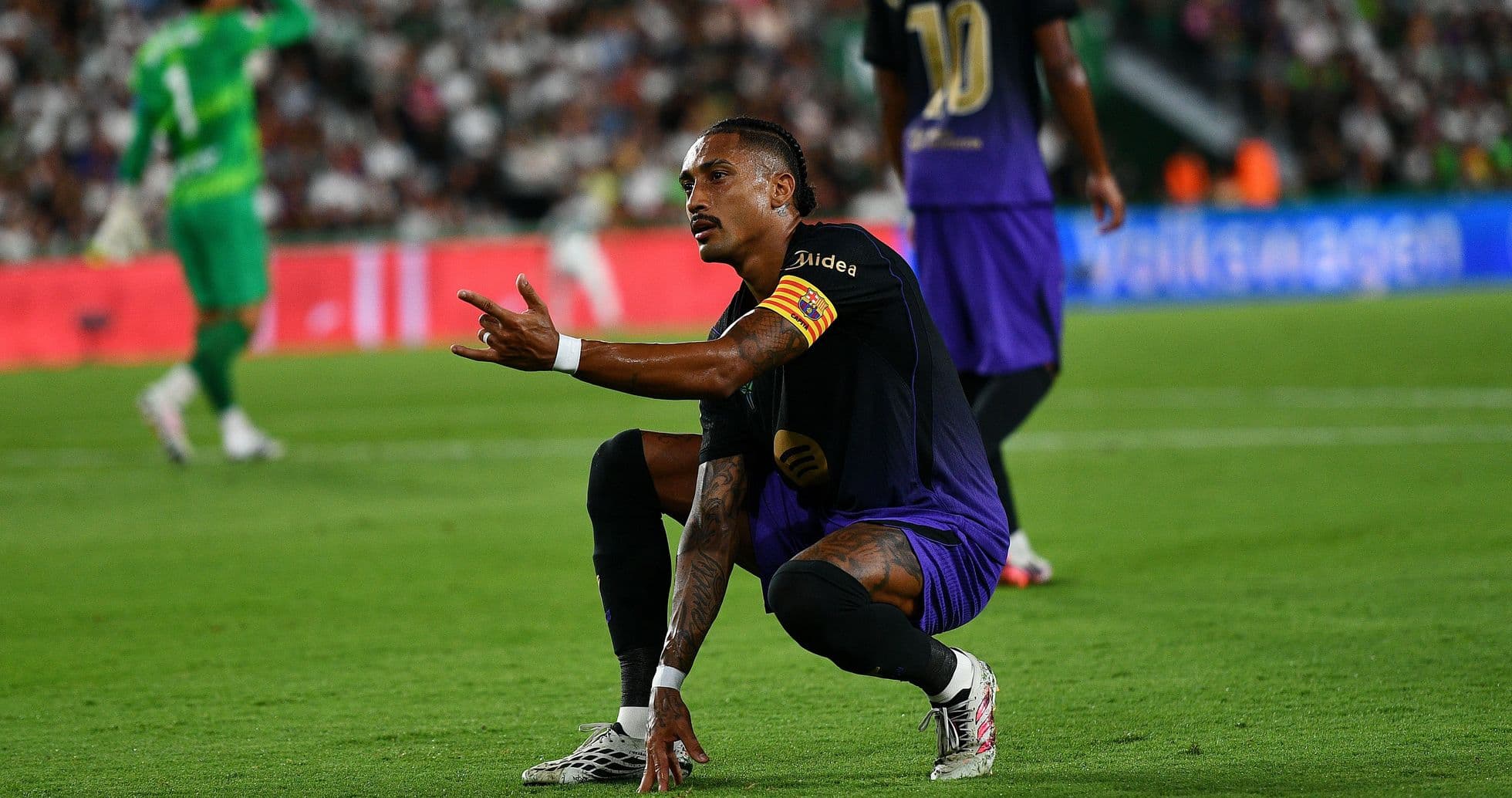
Pierre-Emerick Aubameyang is the clearest example. Hand-picked by Thomas Tuchel and signed from Barcelona in the summer of 2022, he barely had time to unpack before the rug was pulled. Tuchel was sacked a day after Aubameyang’s debut. The striker never fit what followed. Graham Potter clearly didn’t fancy him, and the former Arsenal forward slipped from starter to afterthought to exile. Twenty-one appearances, three goals, and then a free transfer to Marseille. A short, awkward chapter that ended with a shrug.
Kalidou Koulibaly’s Chelsea story carried more weight, and more surprise.
Brought in during BlueCo’s first window in 2022, he arrived from Napoli with a stellar reputation and the expectation that he would anchor the defence. Instead, he became a symbol of a turbulent season. Managers came and went, systems changed, and Koulibaly never settled. High-profile mistakes undermined him, and he never quite looked like the commanding presence he had been in Serie A. After just one campaign, Chelsea cashed out, selling him to Al-Hilal as part of the early wave of big-name moves to Saudi Arabia. A supposed pillar of the new era, gone in a year.
Raheem Sterling was meant to be the blockbuster.
A Premier League champion, a proven goalscorer, a £47.5m signing from Manchester City to announce Chelsea’s new ambition. Instead, his time in blue fizzled. Across two seasons he rarely hit the heights expected of him, his output and influence dipping as the team around him lurched from one rebuild to the next. Maresca eventually sent him to the infamous “bomb squad”, and a loan to Arsenal in 2024-25 did little to revive his standing. When he returned, nothing had changed. He remained an outcast, and in January 2026 his contract was terminated, 18 months after his last appearance. A marquee name who simply faded out of the picture.
Joao Felix was the signing BlueCo wanted so much they did it twice. They probably shouldn’t have done it once.
He arrived first on a short-term loan from Atletico Madrid in January 2023, part of that wild winter splurge. His debut against Fulham brought a red card and, in hindsight, a warning. There were flashes, as there always are with Felix, but little end product. That should have been the end of it. Chelsea instead went back for more in 2024, seduced by his productive spell at Barcelona. The sequel was no better. Under Maresca he lasted half a season, never truly influencing games, before heading out on loan to AC Milan. By the summer of 2025 he was off to Al-Nassr permanently. Two bites at the same cherry, no lasting taste.
Some missteps barely registered at all.
Facundo Buonanotte’s time at Stamford Bridge came and went in the blink of an eye. Signed on loan from Brighton late in the 2025 summer window, he looked like a depth option for Maresca, a squad piece rather than a star. He never even became that. Eight appearances in total, only one in the Premier League, and frequent omissions from the matchday squad. By January his loan was cut short. A similarly flat half-season at Leeds followed. A move that barely left a footprint.
Deivid Washington’s Chelsea career has been even more obscure, but more expensive.
Signed from Santos for £17m in 2023, one of a cluster of youngsters handed very long-term contracts, he has made just three first-team appearances, all in 2023-24. Since then, he has lived mostly in the development squad. A loan back to Santos in 2025 offered a chance to reset, but he failed to make a lasting impression there too and Chelsea recalled him. Now 21, he remains on the books but clearly sits far from the club’s plans. A permanent exit feels inevitable; the only question is how much of that original outlay they can salvage.
Then there is Mykhailo Mudryk, the most dramatic and troubling story of the lot.
His £89m transfer from Shakhtar Donetsk in January 2023 sent a jolt through the fanbase. Chelsea had beaten rivals to a dazzling, high-speed winger, a player seen as the face of their new direction. The reality never matched the hype. Mudryk often looked lost, short of the confidence and freedom that had made him so attractive in the first place. He flitted in and out of line-ups under a carousel of managers, never stringing together a sustained run of form.
In November 2024, his career stopped entirely. He was provisionally suspended for a doping offence.
By April 2026, the Football Association had handed him the maximum four-year ban. Mudryk has appealed and reportedly believes there is still a route back to the pitch in 2026-27, but the idea of him returning in a Chelsea shirt feels remote. For club and player, what began as a statement signing now hangs as a cautionary tale.
And that, more than any single flop, is the thread running through this era: big fees, big reputations, bigger questions about how a club of Chelsea’s size kept getting it so wrong.