Celtic's Summer Overhaul: Haissem Hassan and Midfield Concerns
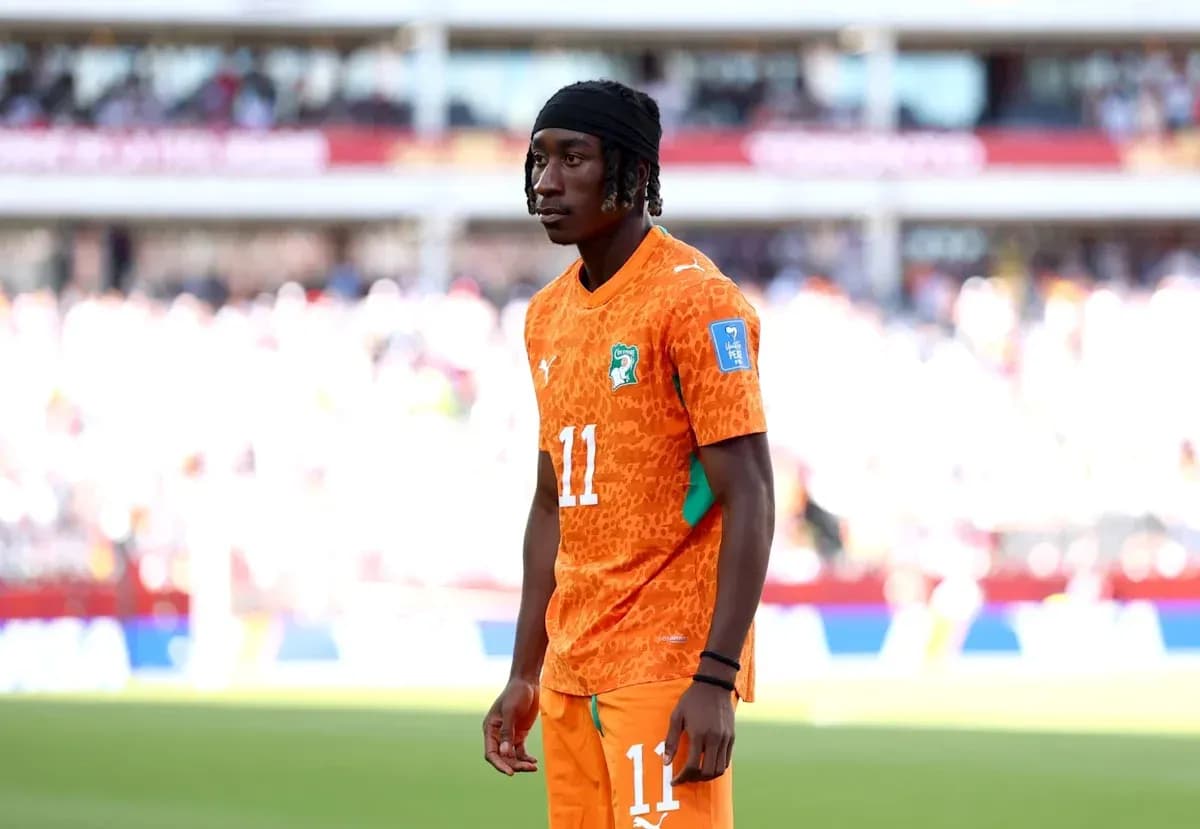
Haissem Hassan’s move to Celtic is close enough to taste, but not yet close enough to trust.
Until the Egyptian World Cup forward is on the Celtic Park pitch holding up a scarf, the deal remains one step short of reality. The expectation, though, is clear: once Hassan becomes the club’s third summer signing, he will arrive not as a luxury, but as part of a deliberate overhaul of the team’s attacking edge.
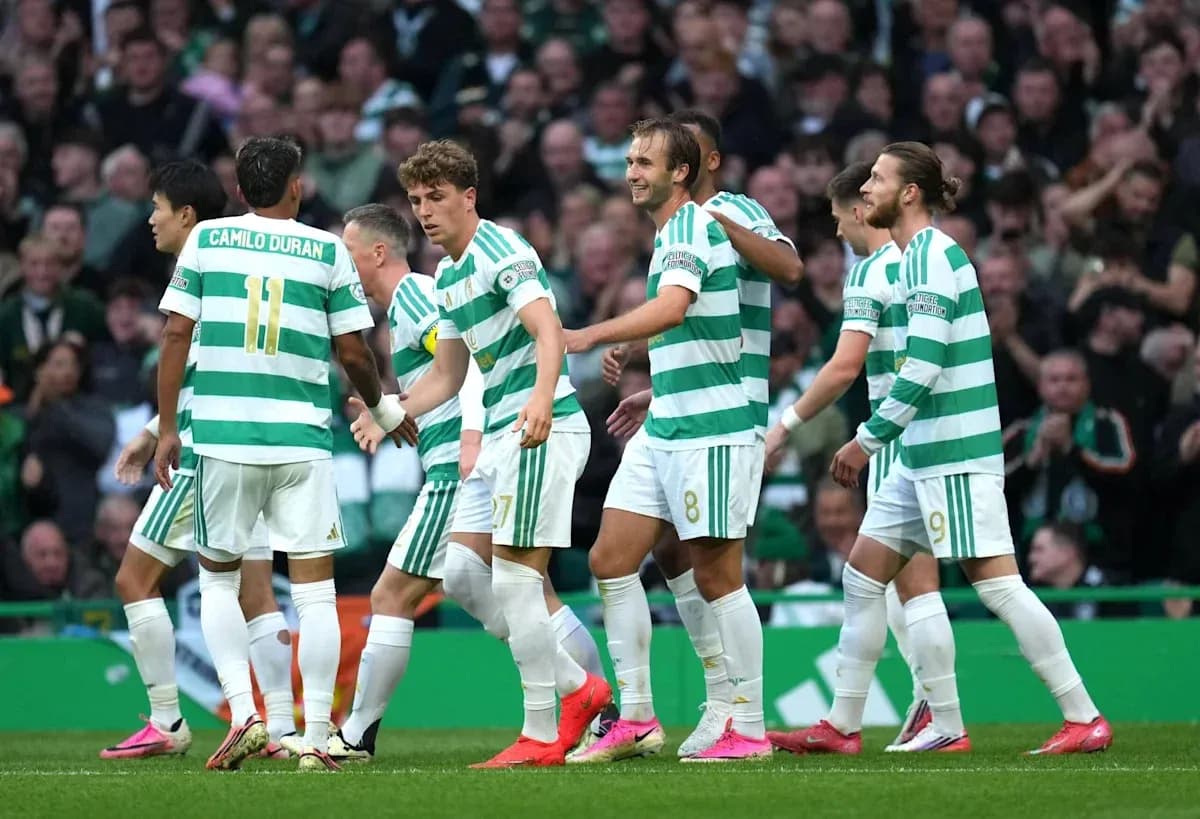
Kasper Hogh is already in the door. Camilo Duran too. Both have added a sense of freshness and threat to the front line. Hassan, if and when he follows, would turn a promising rebuild into a fully armed forward unit.
But that only tells half the story.
A midfield running on fumes
Behind that revamped attack lies a problem Celtic can no longer ignore.
The middle of the park is thinning out at an alarming rate. Arne Engels is expected to move on. Reo Hatate is also likely to depart. Paulo Bernardo has already gone. Strip those names out of any squad list and you are left staring at the same concern: numbers, and the type of players those numbers represent.
Callum McGregor, Benjamin Nygren, Luke McCowan and Alex Oxlade-Chamberlain remain as the recognised midfield options. On paper, that’s experience, craft and a bit of guile. On the pitch, it’s a group that no longer covers the ground with the intensity required at the sharp end of the game.
McGregor has been the heartbeat of Celtic for years, but he is no longer at his physical peak. Oxlade-Chamberlain has the pedigree and the technical quality, yet he too is past the stage where he can relentlessly drive a midfield on his own. Nygren and McCowan are in their prime, but neither is blessed with blistering pace or relentless energy.
That blend has left Celtic short of exactly what modern midfields live on: legs, aggression, and repeat runs on and off the ball.
Achilles heel exposed
The consequences have been obvious.
Celtic’s lack of energy in the centre has been a recurring flaw for some time, and it has bitten hardest on European nights. When the tempo rises and opponents press in waves, the team has struggled to match the intensity. Gaps appear. Transitions hurt. Games drift away.
Domestically, the defence has held up reasonably well. A new goalkeeper is still required, and a back-up left-back is on the list – a role that, in all likelihood, will again fall to Greg Taylor as the dependable option in that area. Yet as a unit, the back line is not the glaring weakness.
Nor is the attack, not anymore. Hogh has already added a focal point. Duran brings movement and a different angle of threat. Hassan, if his transfer is completed, would provide another direct, attacking outlet and give Celtic a front line capable of rotating, stretching defences and asking new questions.
The contrast only sharpens the issue. While the forward line is being upgraded, the midfield is being stripped back.
Time to act in the middle of the pitch
Celtic now stand at a clear crossroads in their summer planning.
The priority has to be the midfield. Not one body. Not a token signing. At least a couple of players with real drive, pace and aggression are needed to change the dynamic in that area of the pitch.
The current group offers intelligence and experience, but not enough power. Not enough bite. Not enough players who can turn a game by sheer force of running and presence. Without that, the team risks repeating the same pattern: promising attacking signings starved of the platform they need behind them.
The club can celebrate the likely arrival of Haissem Hassan and the impact of Kasper Hogh and Camilo Duran. Those deals matter. They change how Celtic can hurt opponents.
But unless the same urgency is applied to the centre of the park, this squad will head into another season with its greatest strength built on its most obvious weakness.
And in a campaign that will again be defined by fine margins at home and abroad, can Celtic really afford to let the heart of their team be the softest part?