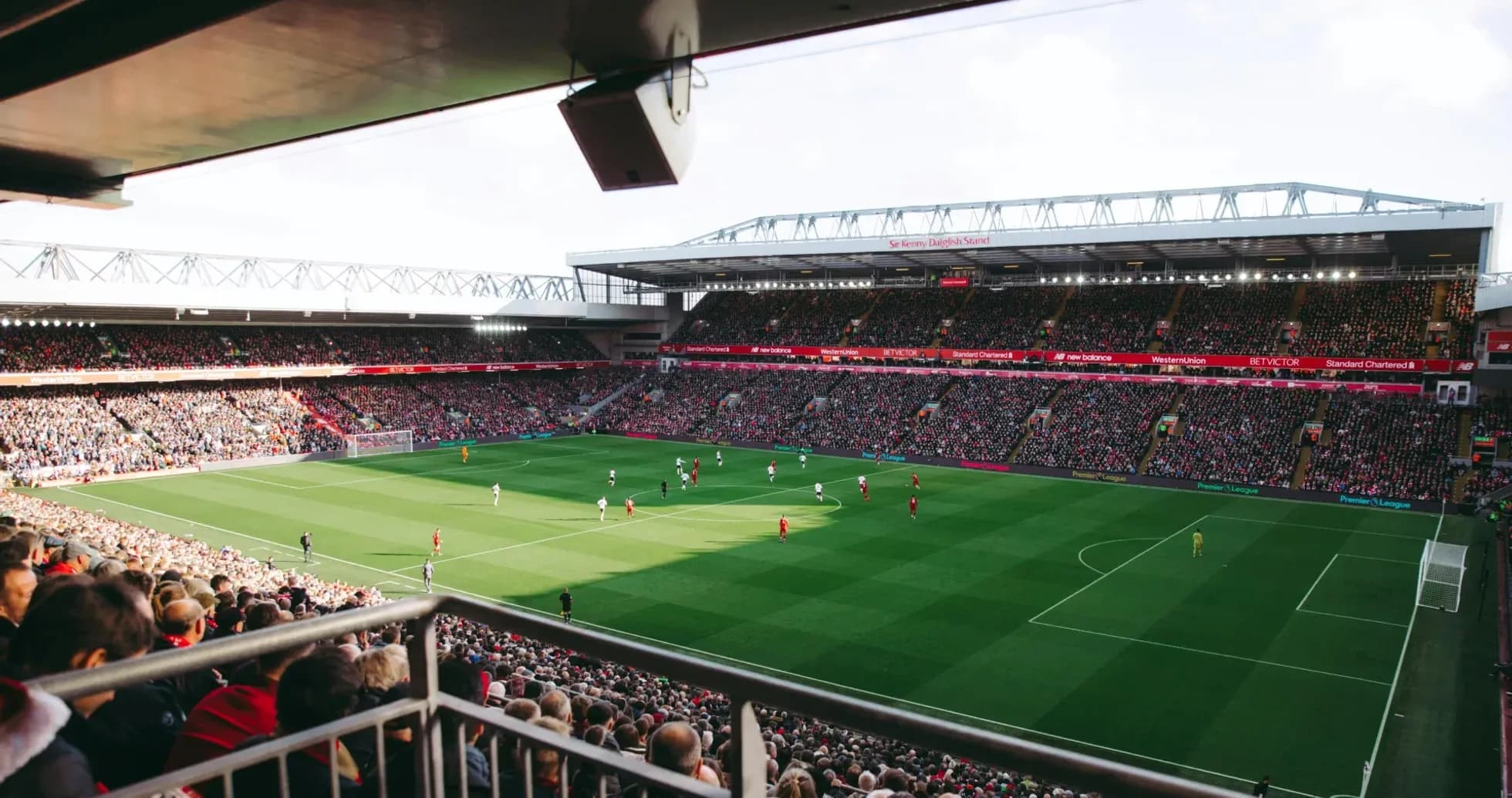
Brighton Dominates Wolves 3-0 in Premier League Clash
Amex Stadium under a flat May sky, the Premier League’s round 36 offered a meeting of opposites: Brighton, chasing Europe from 7th, and bottom‑placed Wolves, clinging to pride more than hope. By full time it was 3–0 to the hosts, a scoreline that felt less like a surprise and more like the logical conclusion of two seasons heading in starkly different directions.
Following this result, the table tells a blunt story. Brighton sit 7th on 53 points, with a goal difference of +10, built on 52 goals for and 42 against overall. At home they have been quietly ruthless: 18 matches, 9 wins, 6 draws, only 3 defeats, with 30 goals for and 17 conceded. Wolves, marooned in 20th with 18 points and a goal difference of -41 (25 scored, 66 conceded overall), embody fragility. On their travels they have not won once in 18 away games, drawing 5 and losing 13, scoring just 7 and conceding 33.
I. The Big Picture – Brighton’s controlled aggression vs Wolves’ erosion
Fabian Hurzeler has given Brighton a clear seasonal identity: front‑foot, possession‑based, but with a spine that has hardened as the campaign has gone on. Overall they average 1.4 goals for and 1.2 against per game, but at home that attacking edge sharpens to 1.7 goals scored and only 0.9 conceded on average. The Amex has become a place where they regularly dictate tempo, with 5 home clean sheets in 18.
Wolves under Rob Edwards have lived in the margins between damage limitation and desperation. Overall they score just 0.7 goals per game and concede 1.8. Away from home, that attacking threat almost disappears: 0.4 goals per away match, with the same 1.8 conceded. The away record – no wins, 13 defeats – is not just poor; it is the statistical framework of a relegation season.
On the day, the pattern reflected those numbers. Brighton were two up by half time and added a third after the interval, turning their season‑long superiority into a routine, almost clinical dismantling.
II. Tactical Voids – Who was missing, and what that meant
Both squads arrived with notable absentees that subtly shaped the contest.
Brighton were without D. Gómez, S. Tzimas, A. Webster and M. Wieffer, all listed as missing the fixture, three with knee injuries and one with an unspecified injury. The loss of Webster and Gómez in particular could have threatened Brighton’s defensive balance and midfield bite. Yet the presence of Lewis Dunk and Jan Paul van Hecke at centre‑back, supported by Carlos Baleba and Pascal Groß in midfield, ensured the structure held. Dunk, one of the league’s most carded players with 10 yellows this season, again walked the line between aggression and control, while van Hecke – whose season includes 52 tackles, 28 blocked shots and 43 interceptions – continued to play as the proactive defender stepping in front of danger.
Wolves’ list of absentees was just as telling: L. Chiwome and E. Gonzalez (both knee injuries), S. Johnstone (knock) and J. Sa (ankle injury). Missing José Sá and Sam Johnstone stripped Wolves of both first‑choice and experienced backup in goal, thrusting Daniel Bentley into a high‑pressure role behind a defence already conceding 1.8 goals per game. In front of him, a back line featuring Yerson Mosquera, Santiago Bueno and Toti Gomes had to cope without the security of an established goalkeeper’s authority.
Disciplinary trends also framed the risk profile. Brighton’s season card map shows a pronounced spike in yellow cards between 46–60 minutes (27.91%), hinting at an aggressive restart after half time. Wolves’ yellows also peak in that same 46–60 window at 28.57%, with further heavy loading in 61–75 (20.78%) and 76–90 (19.48%). Both sides, in other words, tend to play on the edge as legs tire and spaces open – a recipe for a scrappy, stop‑start second half if Wolves tried to chase the game.
III. Key Matchups – Hunter vs Shield, and the battle for the engine room
The headline attacking figure was Danny Welbeck, Brighton’s top league scorer with 13 goals and 1 assist. Across 35 appearances he has taken 45 shots, 27 on target, and even at 35 still offers vertical runs and penalty‑box craft. His penalty record this season is imperfect – 1 scored, 2 missed – a reminder that Brighton’s attacking edge is built more on pattern and movement than set‑piece certainty.
Welbeck’s “Hunter vs Shield” duel was effectively against Wolves’ season‑long defensive record rather than one individual. Overall, Wolves concede 1.8 goals per game, and on their travels that figure remains 1.8 with 33 away goals against. The central trio of Mosquera, Bueno and Toti Gomes had to absorb Brighton’s rotations, especially with Kaoru Mitoma and Yankuba Minteh drifting inside from midfield lines, and Jack Hinshelwood arriving late from deeper zones. Mosquera’s profile – 57 tackles, 14 blocked shots, 26 interceptions – suggests a defender who steps out aggressively, but against Brighton’s interchanging front line that tendency can be exploited by quick wall passes and third‑man runs.
In midfield, the “Engine Room” battle pitted Pascal Groß and Carlos Baleba against André and João Gomes. André, Wolves’ yellow‑card magnet with 11 bookings, is also their metronome: 1,251 passes at 91% accuracy, 76 tackles and 12 blocked shots. João Gomes adds even more bite – 108 tackles, 34 interceptions, 10 yellows – and a remarkable 436 duels contested, winning 225. Together they form a combative, ball‑winning axis.
But Brighton’s structure neutralised that aggression. Groß, whose season numbers (not detailed in the JSON but implied by his central role and minutes) typically reflect high involvement in build‑up, dropped into pockets between the lines, dragging André out and opening lanes for Baleba to carry. With Ferdi Kadıoğlu and Maxim De Cuyper providing width from full‑back, Brighton regularly created 4‑2‑3‑1‑like patterns that stretched Wolves’ 3‑ or 5‑man defensive shapes beyond their comfort zones.
Behind them, Dunk and van Hecke were the “Shield” in their own right. Dunk’s 26 blocked shots and 29 interceptions, combined with van Hecke’s 28 blocks and 43 interceptions, underpin Brighton’s improvement from a sometimes chaotic pressing side to one capable of closing games out. Against a Wolves attack that has failed to score in 19 matches overall, including 12 away blanks, their task was more about concentration than heroics – and they delivered a clean sheet that rarely felt in doubt.
IV. Statistical Prognosis – xG story without the numbers
Even without explicit xG values, the seasonal patterns sketch the expected‑goals narrative of this match. Heading into the day, Brighton at home were a 1.7‑goals‑for, 0.9‑against team; Wolves away were a 0.4‑for, 1.8‑against side. Overlay those curves and you get a predictive band somewhere around 2–3 goals for Brighton and 0–1 for Wolves.
Brighton’s 10 clean sheets overall, split evenly between home and away, speak to a side that increasingly converts territorial dominance into defensive control. Wolves’ 19 games without scoring, and a maximum away attacking output of just 2 goals in any one match, suggest that their xG profile away from Molineux is routinely anaemic.
Following this result, the 3–0 scoreline fits almost perfectly within that statistical expectation. Brighton’s attack did what their season says it should do at the Amex; Wolves’ defence conceded in line with their away record; their attack again failed to meaningfully disturb a well‑organised back line. In narrative terms, it was a story of one team playing to its ceiling and another trapped by its floor – and the numbers had been pointing there all along.