Benfica Triumphs Over AC Milan in Europa League Opener
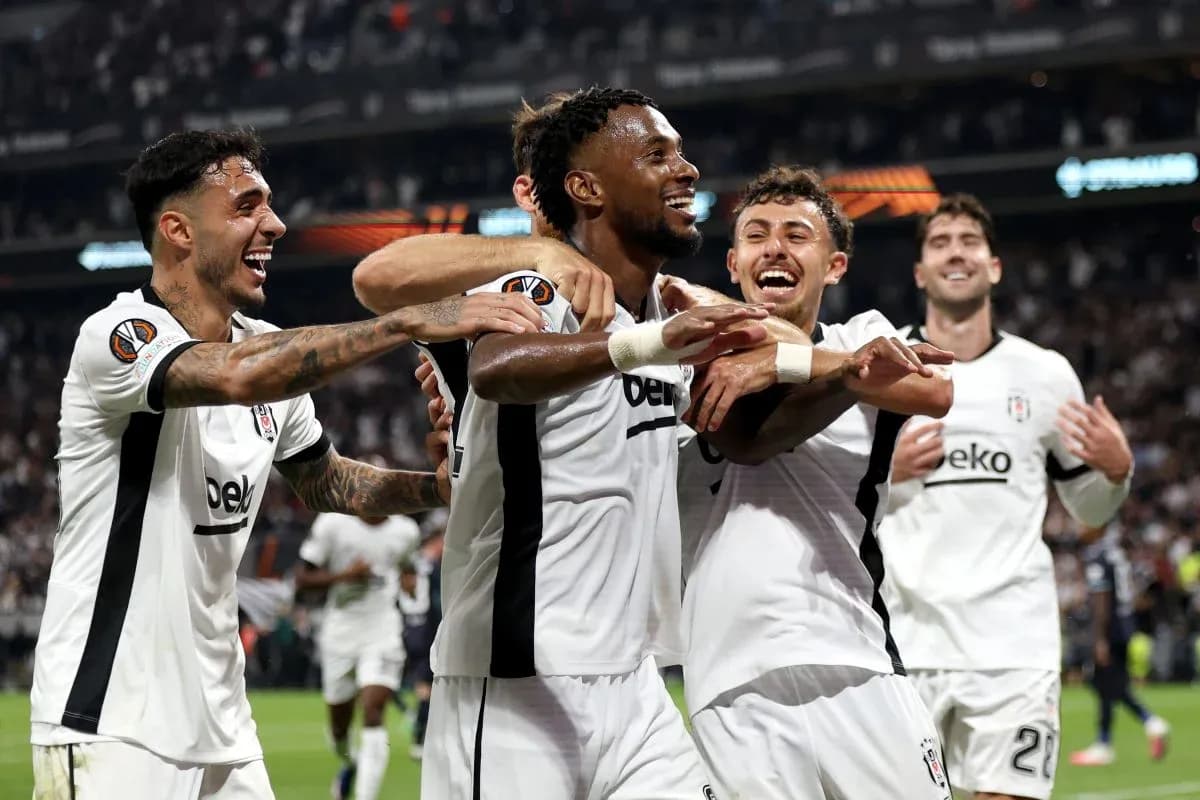
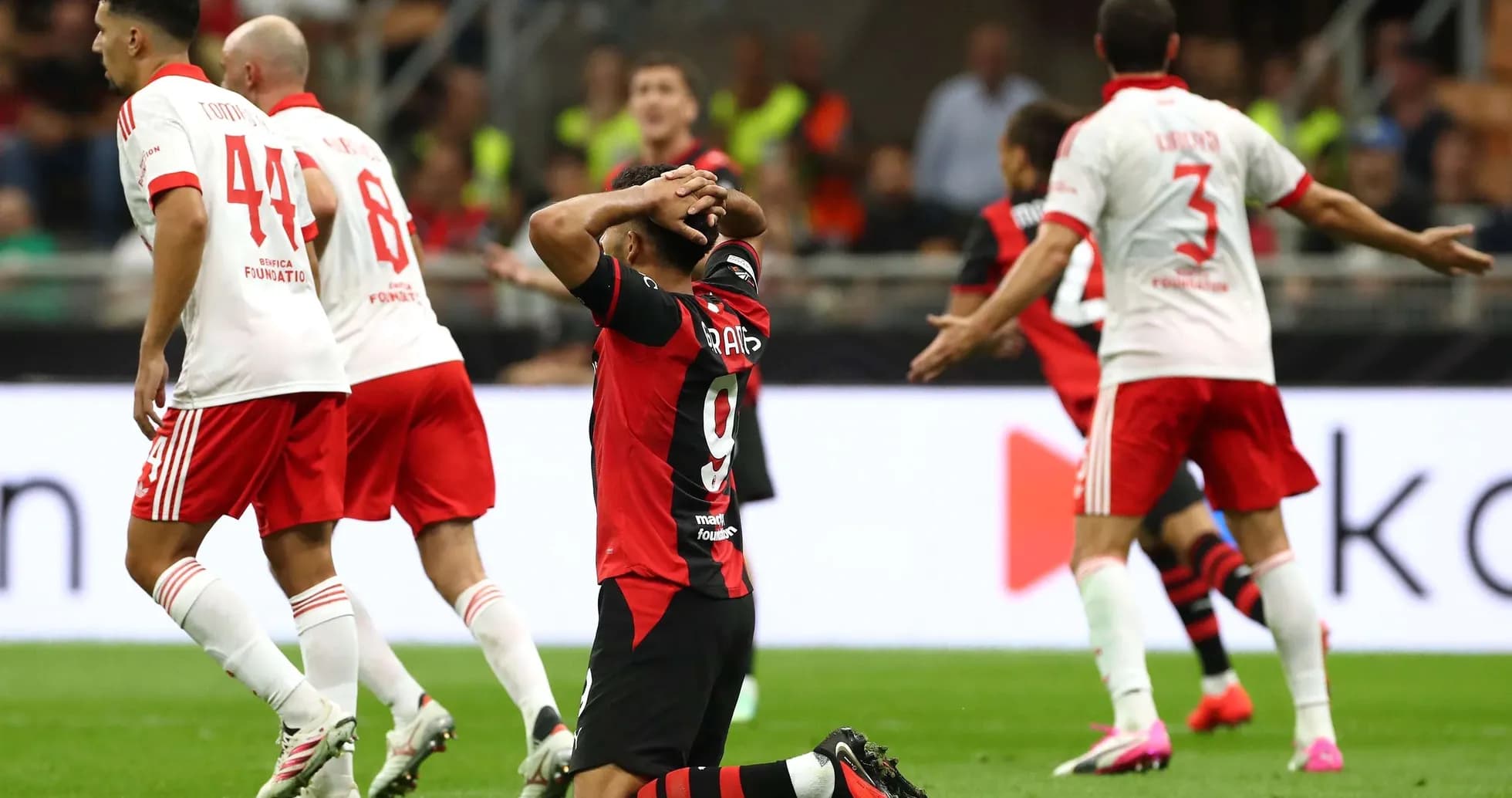
Under the lights of San Siro, the opening act of AC Milan’s Europa League campaign ended with a jolt of reality. Benfica arrived with the swagger of a side already deep into its season’s story arc, and left Milano with a 2–0 win, three points, and the sense that their squad is built for the long haul of this new League Stage.
This was “League Stage - 1”, but there was nothing tentative about Benfica’s approach. Marco Silva’s men came in with a formidable European rhythm: 7 matches already in this Europa League season, 5 wins, 1 draw and just 1 defeat overall. On their travels, they had played 4 times, winning 2, drawing 1 and losing only once. Across those 7 games, they had scored 21 goals in total and conceded 6, a total goal difference of +15 that underpins their rank of 7th in the standings with 3 points from this opener and an away record in the group of 1 win from 1, with 2 goals scored and none conceded.
By contrast, this was Milan’s first Europa League step of the season, and it showed. Their entire European story so far is contained in this 90-minute defeat: 1 match played in total, 0 wins, 0 draws, 1 loss, 0 goals scored and 2 conceded. At home they have the same stark line: 1 played, 0 wins, 0 draws, 1 loss, 0 for and 2 against, leaving them 31st in the League Stage table with 0 points and a total goal difference of -2.
Team Selection
Ruben Amorim’s selection told its own tale: a bold 3-4-2-1 in front of the home crowd. Mike Maignan anchored the back line behind a trio of F. Terracciano, K. De Winter and S. Pavlovic. The wing and midfield band of four — S. Chukwueze, A. Jashari, Y. Musah and D. Bartesaghi — was tasked with providing both width and control, while the attacking trident of O. Hutchinson, A. Cisse and G. Ramos was meant to stretch Benfica’s back four and threaten the channels.
On the bench, there was experience and personality in reserve: F. Tomori and P. Estupinan as defensive alternatives, L. Modric and A. Rabiot as high-calibre midfield brains, and C. Pulisic, A. Saelemaekers, D. Moreira and F. Camarda as attacking options. But the structural issues in Milan’s system were exposed before those names could truly reshape the narrative.
Benfica, meanwhile, set up in their now-familiar 4-2-3-1, a shape that has become the backbone of their European run, with this formation used in 4 matches this season. A. Trubin was protected by a back four of D. Banjaqui, A. Circati, T. Araujo and S. El Karouani. In front of them, the double pivot of F. Aursnes and J. Palhinha gave the visitors both press resistance and bite — the sort of axis that allows the front four to attack with freedom.
That attacking line is where Benfica’s squad really comes to life. On the right, D. Lukebakio arrived in Milan as one of the competition’s form men: across the Europa League season he has 4 appearances, 2 starts and 90 minutes played, with 1 goal from 3 shots, all 3 on target. He has also completed 29 passes with 72% accuracy and won 7 of his 10 duels, underlining his directness and physical edge. In the middle, G. Sudakov, wearing 10, served as the creative hinge, while J. Kaminski on the left brought the numbers of a top-tier European performer: 6 appearances, 3 starts, 80 minutes in total, 1 goal, 1 assist, 30 completed passes at 76% accuracy and 3 key passes. Ahead of them, J. Duran led the line, working channels and occupying Milan’s back three.
Silva’s bench offered layers of reinforcement: C. Lenglet and S. Dahl in defence, L. Barreiro and Manu Silva in midfield, and a varied attacking bench of C. Echeverri, E. Barrenechea, G. Prestianni, Anisio, V. Pavlidis and A. Schjelderup. Notably, V. Pavlidis carries a disciplinary edge into any game; in this competition he has 2 yellow cards in 6 appearances, with 5 duels contested and 2 fouls committed. L. Barreiro mirrors that combative profile with 2 yellow cards in 6 games and a willingness to engage in duels and tactical fouls. Both are the sort of late-game enforcers who can tilt the rhythm of tight contests.
There was one significant absence on the Benfica side: A. Bah, listed as “Missing Fixture” due to injury. His season so far has still been impactful — 1 assist and 1 yellow card in the Europa League — and his absence removed a natural right-sided outlet and overlapping threat. In response, Silva leaned on Banjaqui at right-back and pushed more responsibility onto Lukebakio to stretch Milan vertically.
Disciplinary and Tempo Management
From a disciplinary and tempo-management perspective, the contrast between the two squads is already clear. Milan’s Europa League card profile is minimal but telling: 1 yellow card in total, and it came in the 0–15 minute window, meaning 100.00% of their cautions so far have arrived early. That hints at a side that can start over-aggressively when trying to impose themselves. Benfica, by comparison, have a broader spread: 1 yellow between 0–15 minutes (10.00%), 2 between 16–30 (20.00%), 2 between 31–45 (20.00%), 1 between 61–75 (10.00%), 3 between 76–90 (30.00%) and 1 between 91–105 (10.00%). This late-game surge — with 30.00% of their yellows coming in the 76–90 window — underlines how intensely they defend leads and contest transitions as matches close.
Statistical Overview
Statistically, Benfica’s squad construction and tactical identity are already paying dividends. Overall, they average 3.0 goals scored per match in this Europa League season, with 4.7 at home and 1.8 on their travels, while conceding just 0.9 per match in total, 0.7 at home and 1.0 away. They have kept 2 clean sheets overall and have not yet failed to score in any of their 7 matches. Milan, by contrast, have failed to score in their only outing so far and have no clean sheets; at home they concede an average of 2.0 goals per match and score 0.0.
In tactical terms, this match crystallised the “Hunter vs Shield” dynamic in Benfica’s favour. The visitors’ attacking line, powered by the vertical running of Lukebakio and the intelligent movement of Kaminski and Sudakov, probed relentlessly at a Milan defence still adapting to a back three. With Milan’s offensive structure blunt — G. Ramos isolated, Hutchinson and Cisse often receiving with their backs to goal — Benfica’s shield of Palhinha and Aursnes was rarely stretched.
The “Engine Room” battle was similarly one-sided. Milan’s central pair of Musah and Jashari worked, but lacked the passing angles and support to consistently beat Benfica’s press. Without a deeper playmaker like Modric or Rabiot in the starting XI, the build-up often stalled into hopeful balls into the front three. Benfica, on the other hand, could at any moment drop Sudakov between the lines, or use Kaminski’s inside movements to overload the half-spaces.
Conclusion
Following this result, the statistical prognosis for the League Stage is clear. Milan must quickly translate their bench quality into a more balanced starting structure, finding ways to connect midfield to attack and reduce the exposure of their back three. Benfica, already boasting a total goal difference of +2 in the League Stage (2 scored, 0 conceded) and +15 overall in the Europa League this season, look like a side whose squad depth, tactical clarity and attacking fluency will continue to carry them deep into the competition.