Barcelona's Tactical Mastery in 2-0 Victory Over Real Madrid
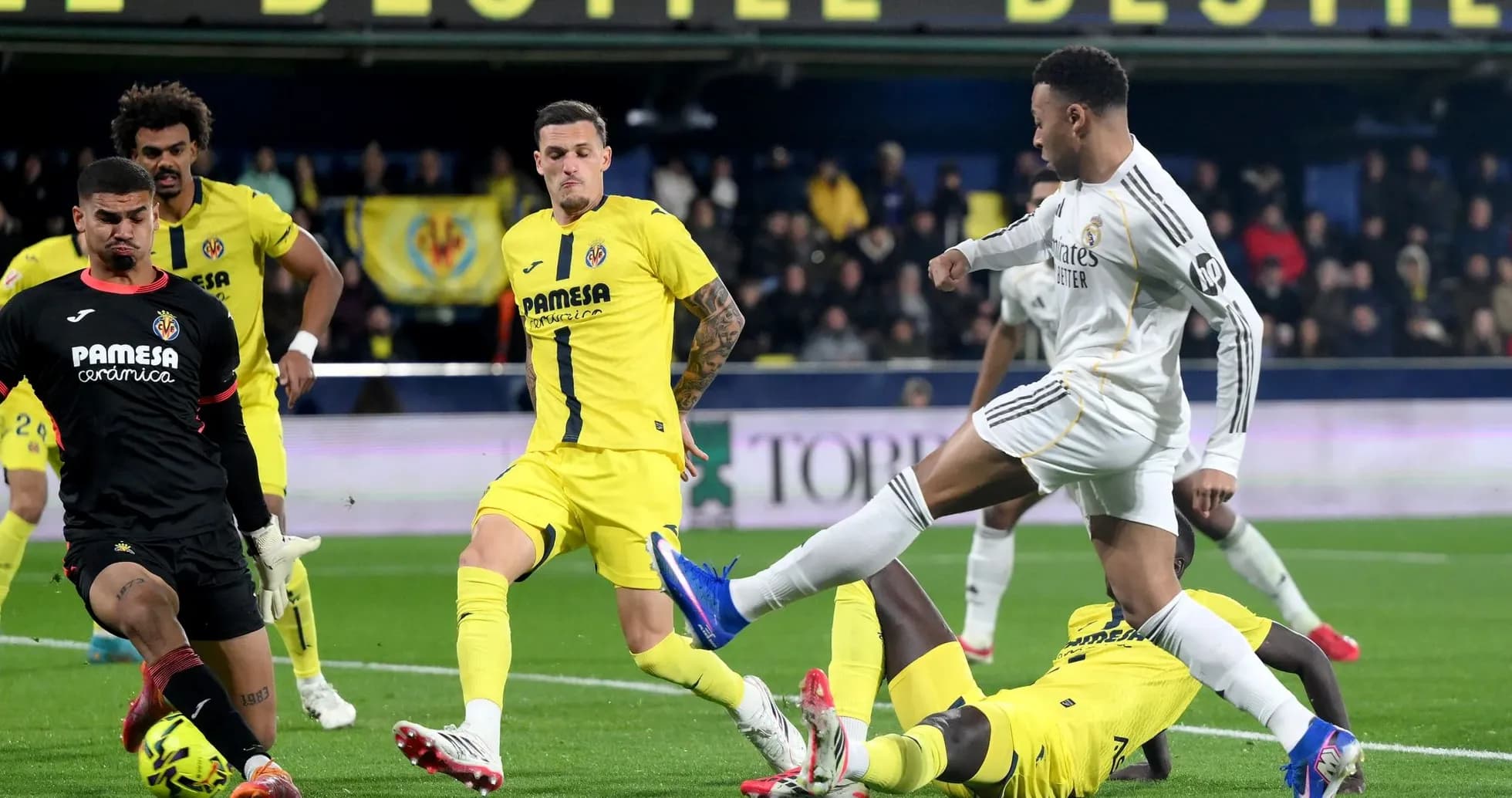
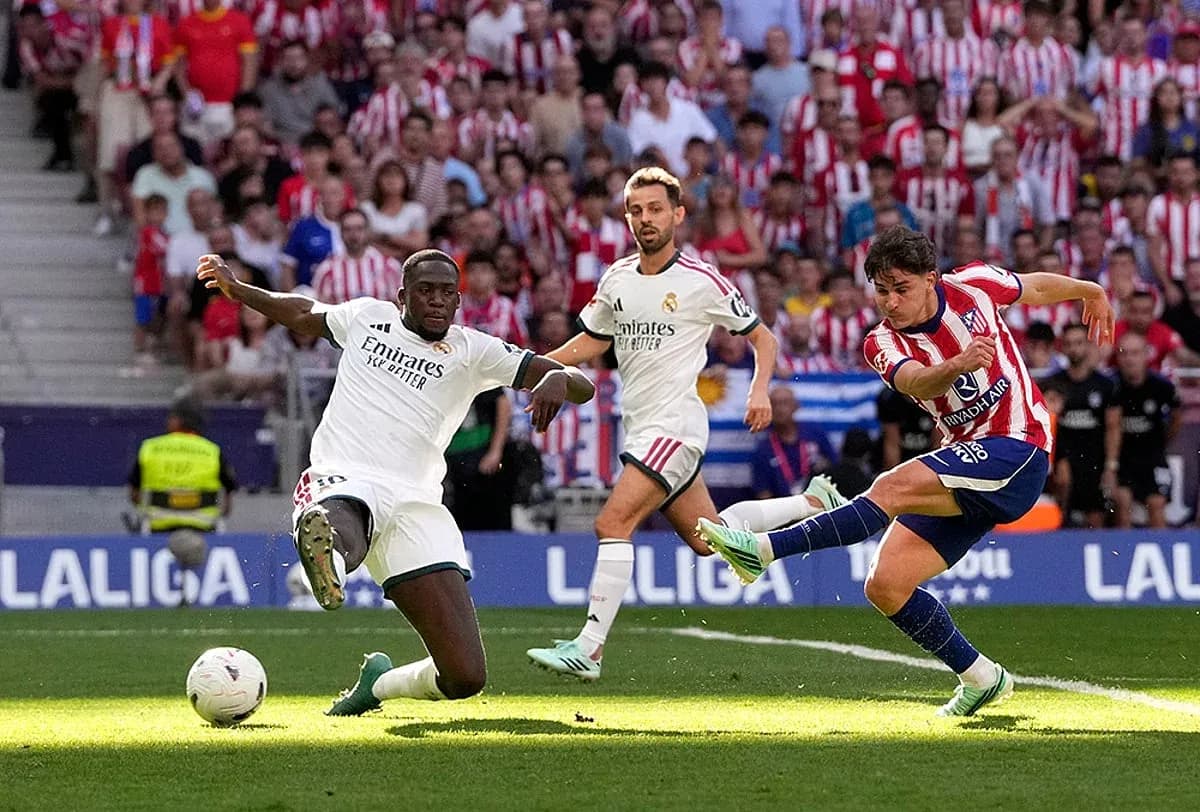
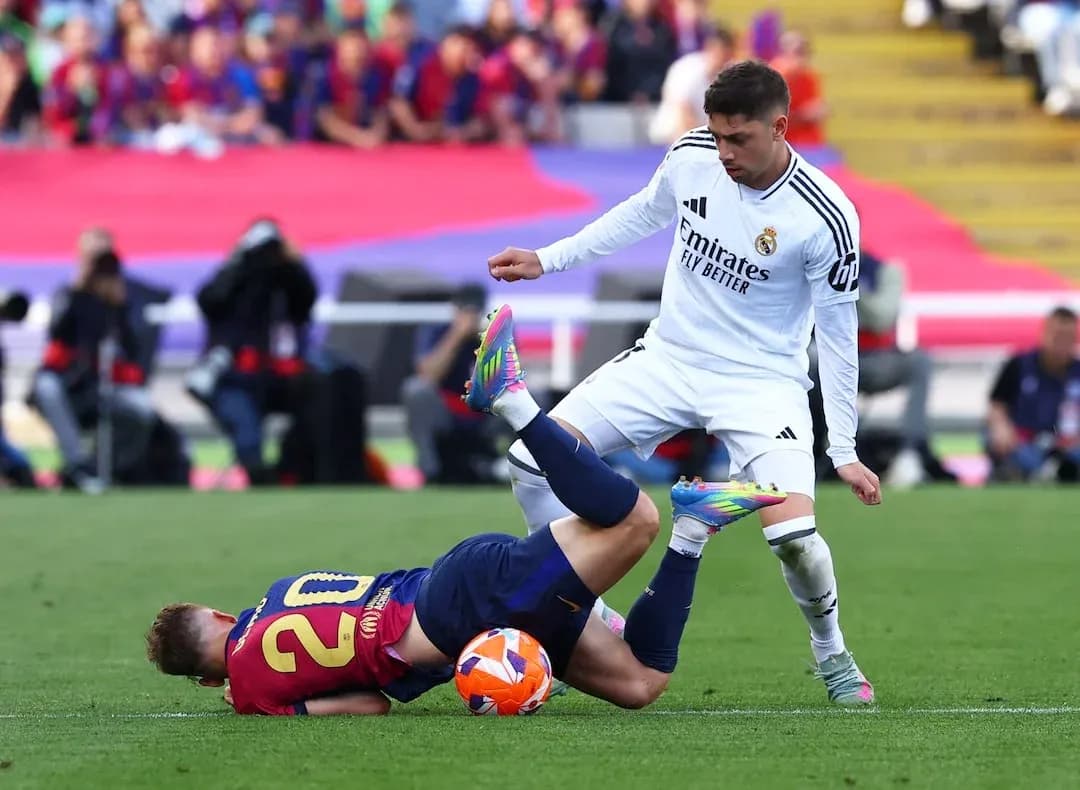
Barcelona’s 2-0 win over Real Madrid at Camp Nou in La Liga’s Regular Season - 35 was built on an aggressive, front-loaded game plan and a disciplined defensive structure. Hansi Flick’s side struck twice inside 18 minutes through Marcus Rashford and Ferran Torres, then managed the game with controlled possession and compact spacing. Alvaro Arbeloa’s Real Madrid improved territorially after the break but were largely restricted to low-quality chances, reflected in their modest 0.79 xG and only one shot on target. The halftime scoreline of 2-0 to Barcelona held to full time, with the hosts balancing vertical threat and risk management impressively.
I. Scoring Sequence & Disciplinary Log
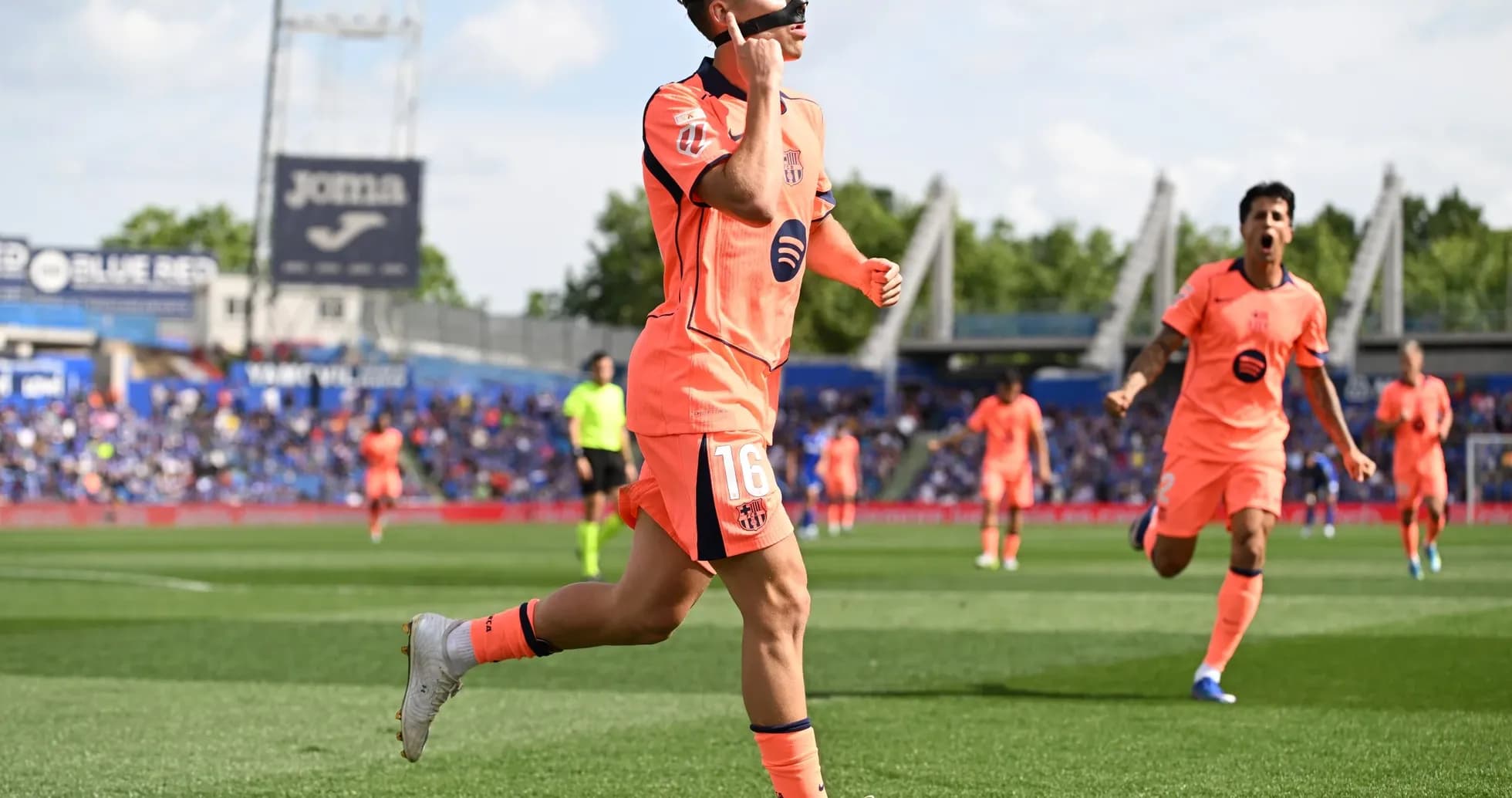
Barcelona opened the scoring on 9' when Marcus Rashford converted a normal goal action, capitalising on the early high tempo from Flick’s 4-2-3-1. On 18', Ferran Torres doubled the lead with another normal goal, this time assisted by Dani Olmo, who found space between Madrid’s lines to supply the final pass. Those two early blows shaped the tactical context: Barcelona could compress the pitch and invite Madrid into uncomfortable build-up zones.
From there, the narrative is as much about discipline and control as it is about chance creation. Every card, in chronological order:
- 40' Eduardo Camavinga (Real Madrid) — Foul
- 52' Dani Olmo (Barcelona) — Argument
- 52' Raúl Asencio (Real Madrid) — Foul
- 55' Jude Bellingham (Real Madrid) — Unallowed field entering
- 81' Raphinha (Barcelona) — Argument
- 81' Trent Alexander-Arnold (Real Madrid) — Argument
That yields exact totals of Barcelona: 2 yellow cards, Real Madrid: 4 yellow cards, Total: 6. The pattern underscores a Madrid side increasingly frustrated as they chased the game, while Barcelona’s cautions were tied to flashpoints of protest rather than persistent tackling.
II. Tactical Breakdown & Personnel
Both teams lined up in a 4-2-3-1, but the interpretations were very different. Barcelona’s double pivot of Pablo Gavi and Pedri functioned as a possession engine: short, high-percentage circulation (527 total passes, 484 accurate, 92%) gave the home side a stable platform to attack Madrid’s fullbacks. With 57% ball possession, Barcelona could repeatedly create overloads in the half-spaces.
Joan García’s role in goal was largely about concentration rather than volume of work: he registered 1 save, supported by a back four of João Cancelo, Gerard Martín, Pau Cubarsí and Eric García that kept Madrid’s central striker Gonzalo García away from high-value zones. The defensive line’s compactness forced Real Madrid into wide or speculative entries, explaining why Madrid managed 8 total shots but only 1 on goal despite 7 shots inside the box—many of those were from rushed or crowded positions.
In attack, Flick’s structure was deliberately vertical. Marcus Rashford, nominally a midfielder in the 4-2-3-1 band, consistently attacked the left channel, pinning Trent Alexander-Arnold and Raúl Asencio back and opening space for Dani Olmo between the lines. Fermín López and Ferran Torres offered complementary movements: Fermín drifting inside from the right half-space, Ferran threatening depth as a lone forward. The second goal on 18' encapsulated this: Olmo found a pocket, turned, and fed Torres in a direct pattern that bypassed Madrid’s double pivot.
Substitutions were used to shift the game from aggression to control. On 64', Frenkie de Jong (IN) came on for Dani Olmo (OUT), adding press resistance and positional discipline at the base of midfield. Simultaneously, Raphinha (IN) came on for Marcus Rashford (OUT), turning the right flank into more of a transitional outlet rather than a constant high-tempo runner. Later, at 77', Robert Lewandowski (IN) came on for Ferran Torres (OUT), offering a stronger hold-up reference, while Marc Bernal (IN) came on for Gavi (OUT), freshening the midfield legs for the closing phase. At 88', Alejandro Balde (IN) came on for Fermín (OUT), effectively locking down the flank and reinforcing the defensive shell.
Real Madrid’s 4-2-3-1 under Arbeloa leaned on Eduardo Camavinga and Aurélien Tchouaméni as the double pivot, with Jude Bellingham central and Vinicius Júnior left. In theory, this should have provided strong central progression, but Barcelona’s mid-block screened passes into Bellingham and forced Madrid wide. With 394 total passes, 342 accurate (87%), Madrid circulated competently but without consistent penetration.
Arbeloa’s substitutions aimed to inject creativity and energy: at 70', Thiago Pitarch (IN) came on for Eduardo Camavinga (OUT), looking to add more vertical passing. On 79', Franco Mastantuono (IN) came on for Brahim Díaz (OUT), and César Palacios (IN) came on for Gonzalo García (OUT), effectively reconfiguring the attacking band. However, by this stage Barcelona had dropped their block a few metres, protected the central lane, and accepted more crosses and low-probability shots, keeping Madrid’s xG to 0.79.
Discipline reflected the psychological arc. Dani Olmo’s 52' yellow card for “Argument” came in a midfield confrontation, mirrored seconds later by Raúl Asencio’s “Foul” booking, as duels intensified. Jude Bellingham’s 55' yellow for “Unallowed field entering” was a procedural lapse rather than tactical aggression, but it added to Madrid’s frustration profile. In the 81' flashpoint, Raphinha and Trent Alexander-Arnold both saw yellow for “Argument,” emblematic of a game Madrid were chasing emotionally more than structurally by that stage.
III. The Statistical Verdict
The underlying numbers support the 2-0 scoreline without suggesting a rout. Barcelona’s 0.99 xG from 10 total shots (7 on goal) points to clinical exploitation of early chances rather than constant siege. Real Madrid’s 0.79 xG from 8 shots (only 1 on goal) reflects their inability to convert territory and set-piece volume—8 corner kicks—into clear looks at Joan García’s goal.
Possession at 57%–43% in Barcelona’s favour, combined with their superior passing volume and accuracy, underpins a game state where the hosts dictated tempo and zones of play. Defensively, both goalkeepers are credited with -0.53 goals prevented, suggesting neither overperformed the xG of shots faced; instead, the decisive factor was shot quality and structure in front of them. Barcelona’s higher “Overall Form” in this match stemmed from the blend of early verticality and subsequent game management, while their “Defensive Index” was boosted by restricting Madrid to a single shot on target despite trailing for over 80 minutes.