Arsenal's Controversial Penalty Decision Sparks Managerial Power Play
Arsenal’s win at the Stadium of Light should have been routine. It finished 2-0, the kind of controlled away victory title contenders tick off and quickly forget. Instead, the night turned into another flashpoint in the Premier League’s running war over refereeing.
The game was still locked at 0-0 when everything changed.
From a Sunderland corner, Ezri Konsa tangled with Dan Ballard in the box. There was grappling, bodies wrestling for position, the sort of contact that fills every set piece in every game. Referee Stuart Attwell pointed straight to the spot. Arsenal’s players protested, arms wide, stunned. VAR checked the incident and backed the on-field call.
The penalty stood. The anger simmered.
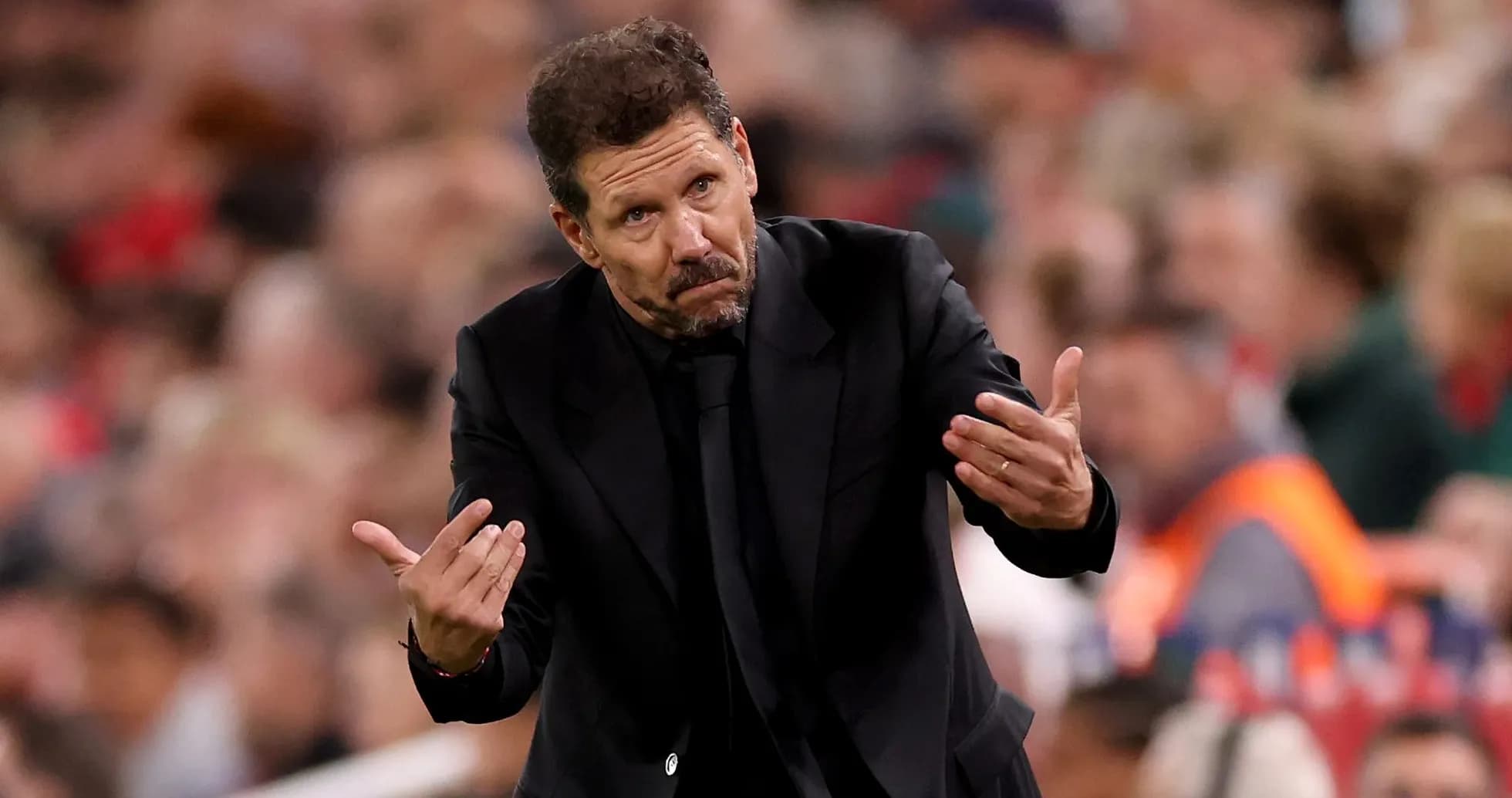
Arsenal recovered to take all three points, but Mikel Arteta had no interest in talking about control, resilience or game management afterwards. He went straight for the decision. In his post-match assessment he branded the penalty “unacceptable”, using his platform to launch a fierce attack on the standard of officiating.
This wasn’t an off-the-cuff moan. It felt orchestrated.
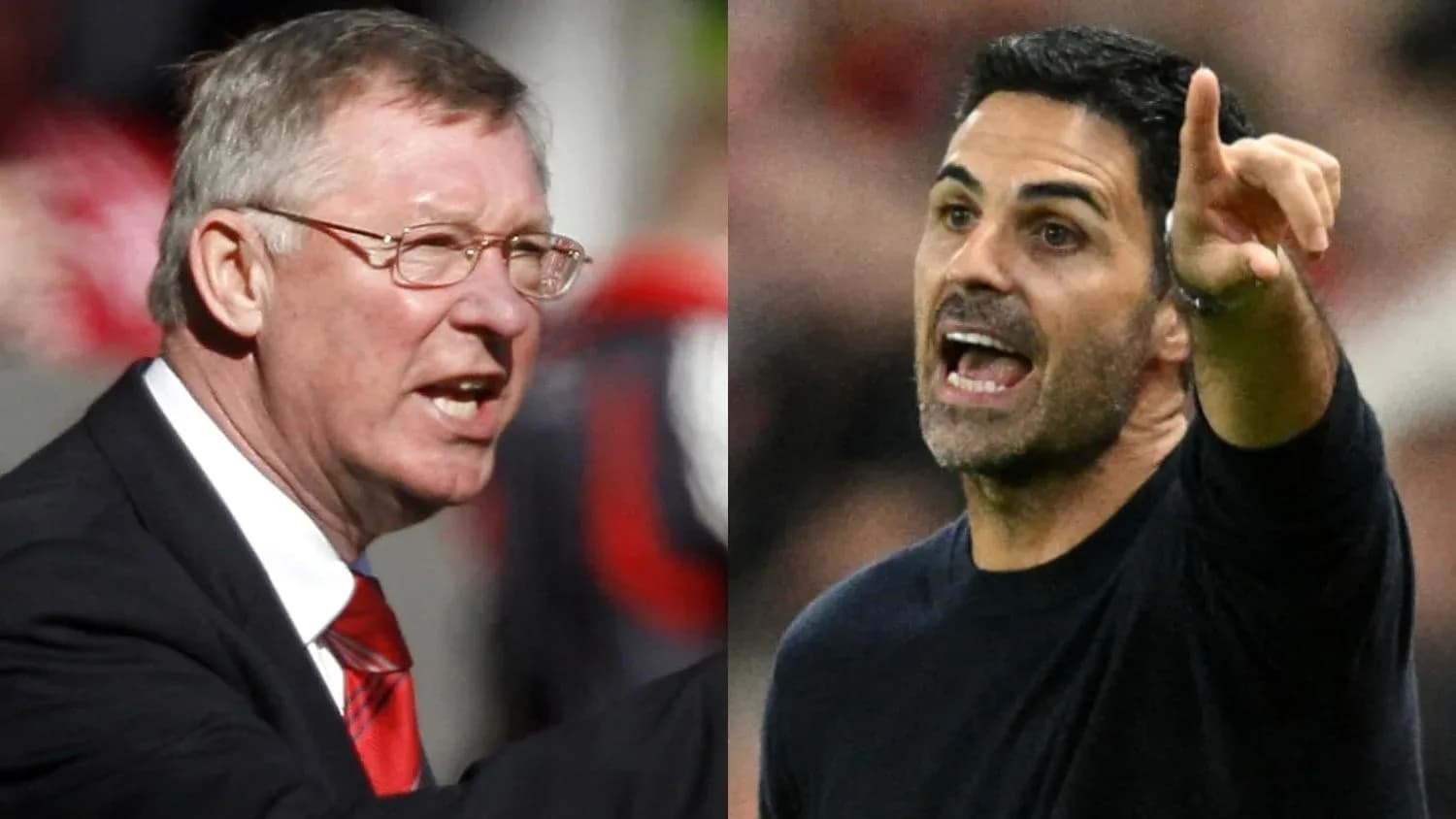
On Sky Sports’ Monday Night Football, Jamie Carragher saw something bigger at play. He argued that Arteta is now stepping fully into the role once occupied by the Premier League’s great managerial powerbrokers.
“This was Mikel Arteta becoming the Sir Alex Ferguson of the Premier League right now,” Carragher said. “He's the don at the moment; he's the Premier League champion. A lot of new managers about... he's been in his role for six or seven years, and he feels he's in a position of power to say, 'Yeah, it wasn't a penalty.' And I don't think it was a penalty."
Carragher’s point was clear: this was about more than one decision on a damp night at Sunderland. Arteta, in his eyes, was flexing.
The Spaniard’s press conference backed that up. Journalists tried to move him on, to talk about the performance, about the goals, about the wider title picture. He refused to budge. Every road led back to the Konsa-Ballard incident.
“One of the journalists made a point about, no matter what question you asked him, he kept going back to the penalty, so he was determined to get the narrative out that this won't happen again to his club,” Carragher noted. “But that's a manager - we've seen it with Sir Alex Ferguson, we've seen it with Jose Mourinho.”
Arteta’s fury slots into a growing sense of confrontation between clubs and English football’s refereeing body, Pro Ref. Arsenal are not content to let this one fade into the background. Reports suggest the club plan to escalate the matter formally, demanding an explanation for why Konsa’s challenge met the threshold for a penalty even after VAR intervention.
Carragher sees strategy in the noise. This, he suggested, is about shaping what comes next as much as venting about what has just happened.
“It'd be interesting to see how long it takes for another referee to give a penalty against Arsenal in a similar situation,” he said, hinting at the long-term pressure managers of Ferguson and Mourinho’s era routinely applied to officials.
All of this lands at the worst possible time for Pro Ref.
The Sunderland incident arrived on the back of a chaotic weekend for Premier League referees. Pro Ref had already admitted to a major error in the Manchester derby, accepting that Enzo Fernandez was offside in the build-up to Erling Haaland’s decisive goal. The fallout was swift. The VAR officials involved in that match have been stood down for the next round of fixtures, a public sign of contrition that only sharpened the spotlight on every subsequent call.
Into that storm walked Attwell, Konsa, Ballard and a penalty that has now become a case study in consistency, or the lack of it.
For Arteta, though, the calendar offers no time for a prolonged public feud. The schedule tightens now. Arsenal face Ipswich Town in the Carabao Cup on Tuesday night, a tie that should allow rotation but still demands intensity if the club wants to stay alive on multiple fronts.
The manager must park the anger, at least in the dressing room. He needs focus, not fury, from a squad trying to maintain a perfect start and build the kind of momentum that defines a season.
Once the cup is out of the way, the league returns with a potentially awkward trip to Brighton. It is the sort of away day that tests resolve and concentration, especially when the noise around referees threatens to drown out everything else.
Arteta has made his point. The question now is whether the echo of that outburst shapes the whistle the next time Arsenal defend a corner under pressure.