Alan Shearer Pays Tribute to Kevin Keegan: A Newcastle Legend
Alan Shearer has paid an emotional tribute to Kevin Keegan, calling himself “honoured” to have known the man who shaped both his career and the modern identity of Newcastle United.
Keegan died on Monday, prompting a wave of remembrance for a figure who left fingerprints on English football as a dazzling player and as a manager who demanded – and delivered – drama.
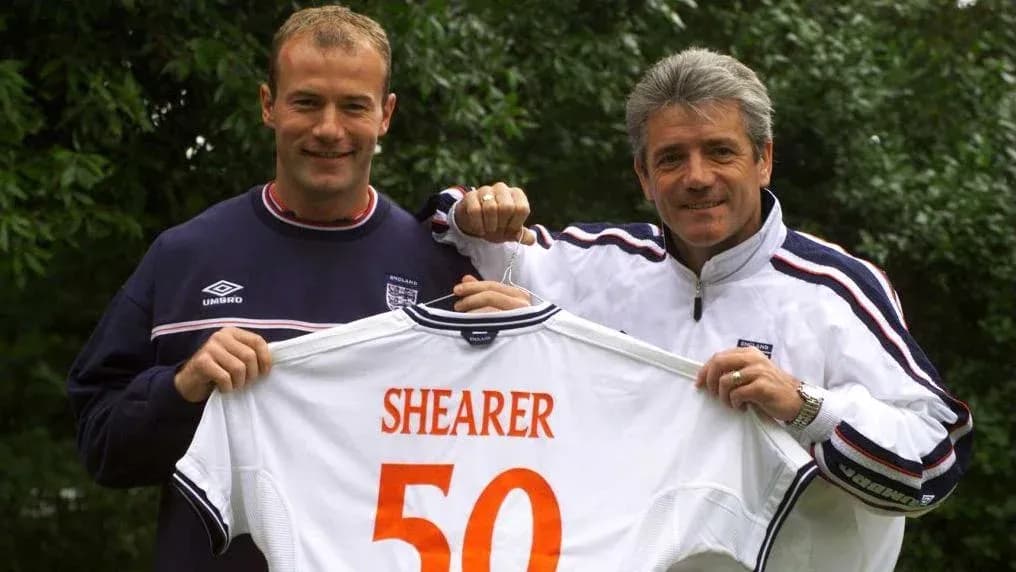
For Shearer, it is deeply personal. The former Newcastle and England captain was the centrepiece of Keegan’s great Entertainers side, the striker Keegan persuaded to come home in 1996 for a world record fee. Their relationship stretched from St James’ Park to the England dressing room, where Shearer wore the armband while Keegan took charge of the national team.
“He was my hero. He was my manager. For Newcastle and England,” said Shearer, Newcastle’s all-time leading goalscorer. “He was my friend. A man everyone loved. For his passion. For his energy but most of all for his friendship. He loved football and he loved Newcastle more than anything.
“I’m so honoured to have known him. We will miss you Kevin.”
The words cut straight to the heart of what Keegan represented on Tyneside. He was not just the manager who almost delivered the title, not just the man who convinced the world’s most coveted striker to turn down Manchester United and wear black and white. He was the emotional core of a club that had lost its way and suddenly found itself reborn.
Tributes have poured in from across the game, but in Newcastle they land differently. Keegan’s bond with the city was forged long before Shearer’s record-breaking arrival, rooted in his first spell as manager when he dragged the club from the brink and filled St James’ Park with noise, colour and belief. His return as England manager, with Shearer as captain, only deepened that shared history.
On BBC Radio Newcastle, commentator Matthew Raisbeck has been reflecting on what Keegan meant to the club and the region, describing him as “one of the most significant” figures in Newcastle United’s story. Raisbeck revisits old audio from the Keegan era, capturing the electricity of those years, and looks back at the upbringing that shaped a man who always seemed to understand working‑class football cities and their need for hope.
He also explores why Keegan’s move to Newcastle felt, to so many, like “coming home” – a phrase that now hangs heavier, loaded with memory, pride and a sense of loss that will linger around St James’ Park for a long time to come.