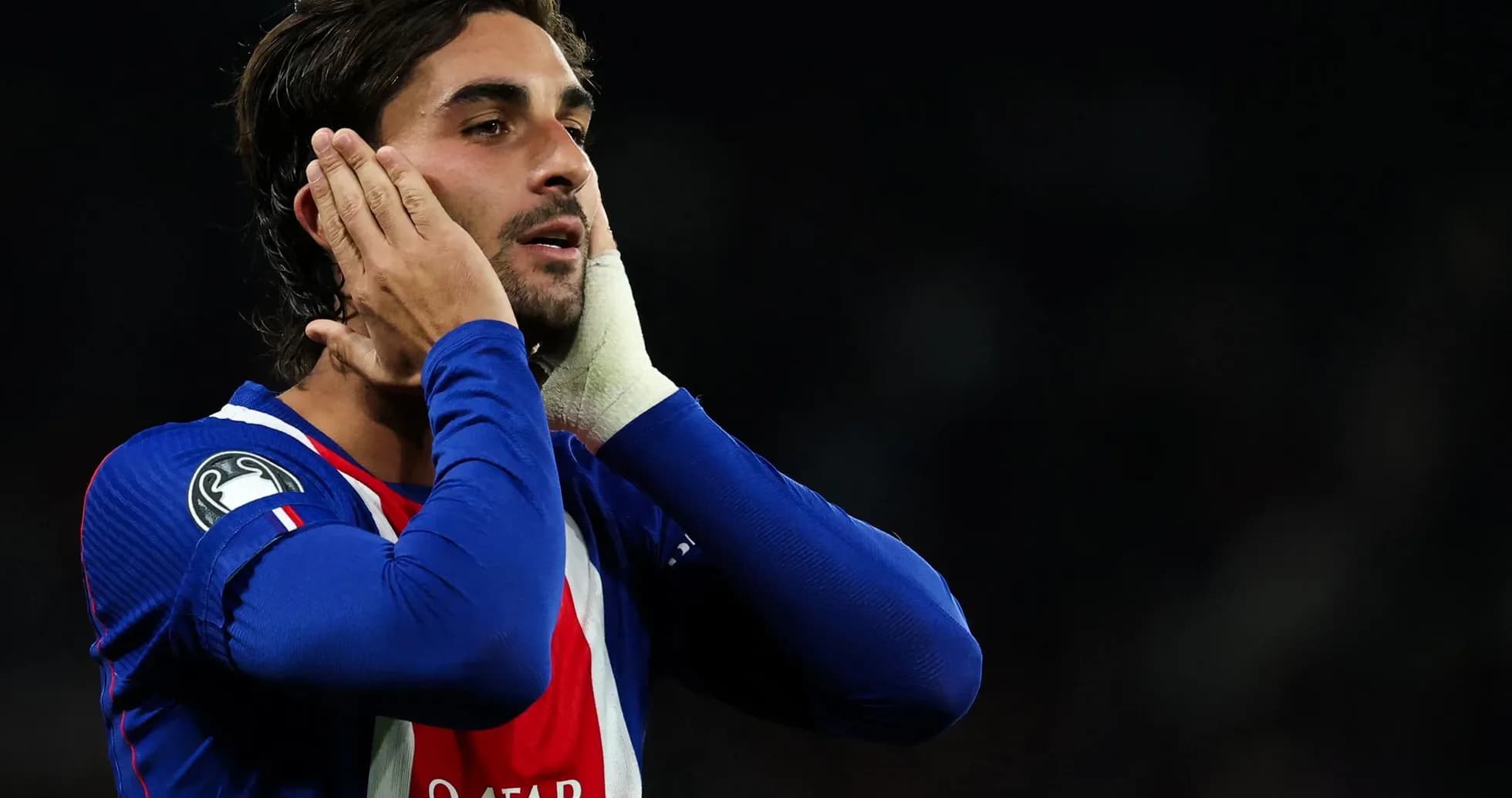
Adapting to Paris: From La Liga to Ballon d'Or Contender
The summer move out of Catalonia hit him harder off the pitch than on it. At 26, leaving the comfort of his life in Spain meant ripping up his daily routine, wrestling with a new language and learning a new city from scratch. The football came easily. Everything else did not.
Paris, though, did not greet him as a stranger. The dressing room at the Parc des Princes already held familiar faces. Luis Enrique was there, the coach he speaks about almost like family, a paternal figure who knows exactly how to use him and how to protect him. Fabian Ruiz was waiting too, another Spanish voice in the corridors, along with former Barcelona academy product Dro Fernandez. The European champions’ changing room felt less like a leap into the unknown and more like an accelerated reunion.
The move itself arrived at breakneck speed. One moment he was entrenched in La Liga life, the next he was being told to pack. He summed up the chaos of the modern market with a shrug: one day you’re here, the next you’re gone. That is the rhythm now. Deals appear, careers pivot, and players follow.
He still found room for a joke about the ones he left behind. He quipped that there was only one thing he couldn’t squeeze into his luggage: Pedri. The line carried a smile, but it also underlined how abruptly long-standing relationships can be cut by a phone call and a contract.
If the adaptation away from the pitch has been a grind, his football has been anything but. Seven goals in his first six games for Paris have turned him from “new signing” into “indispensable” in record time. He has become a sharp edge in Enrique’s tactical plan, attacking space, finishing ruthlessly, and giving PSG a different dimension in the final third. The numbers are not padding; they are a statement.
This surge follows a summer that already changed his career. On the biggest stage of all, he delivered the defining touch, scoring the only goal in Spain’s 1-0 win over Argentina in the World Cup final. One strike, one trophy, and a place in national folklore secured in 90 tense minutes.
That combination – a World Cup-winning goal and a flying start at club level – has pushed him into the Ballon d'Or conversation. He sits on the 30-man shortlist, surrounded by a new Spanish generation and established stars alike: Lamine Yamal, Pau Cubarsi, Marc Cucurella, Rodri and PSG team-mate Ruiz all joining him among the nominees.
Asked about the award, he refused to turn the spotlight on himself or lobby for votes. The decision, he insisted, belongs to the voters, not the players. Whoever is meant to win it will win it. If the trophy ends up in Spanish hands, so much the better. That was as far as he would go.
For now, his battle is more immediate. In Paris, every attacking position is contested, every off night noticed. To stay in Enrique’s starting XI, he must keep scoring, keep running, keep justifying the faith that followed him from Barcelona to the French capital. Maintain this level and he does more than protect his place: he strengthens his Ballon d'Or case and sharpens PSG’s push for dominance at home and in Europe.
The move may have dragged him out of his comfort zone, but if this form holds, it could define the prime of his career – and tilt the balance of power in the Champions League once again.