Thomas Tuchel's Tactical Depth: England's Options Against Croatia
Thomas Tuchel stood on the touchline in Dallas with a luxury no England manager has truly enjoyed before: too many good options.
Nowhere was that clearer than on the left of his attack against Croatia.
Gordon over Rashford – and why it worked
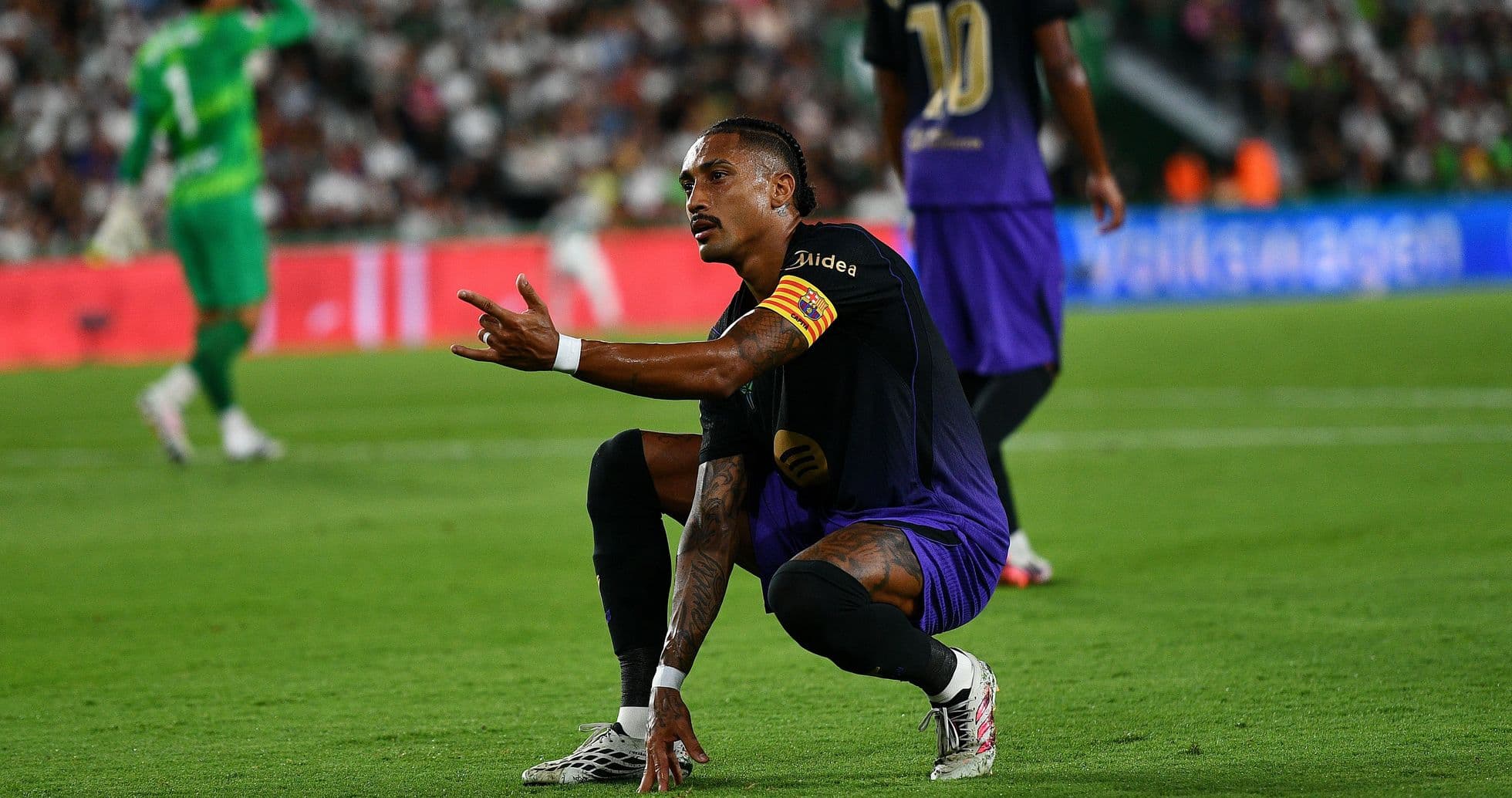
Tuchel ignored the noise. He picked Anthony Gordon ahead of Marcus Rashford, despite the clamour for the Manchester United forward and despite Barcelona already having an agreement to make Gordon Rashford’s long-term replacement at club level.
On paper, Gordon’s numbers looked underwhelming. Seventeen touches. No goal. No assist.
On the grass, it was a different story. He harried Croatia’s back line, sprinted in behind at every half-opening, stretched the pitch and dragged defenders where they did not want to go. His job was not to rack up shots or key passes. It was to tilt the game. To make space for others. To suffocate Croatia without the ball.
He did it.
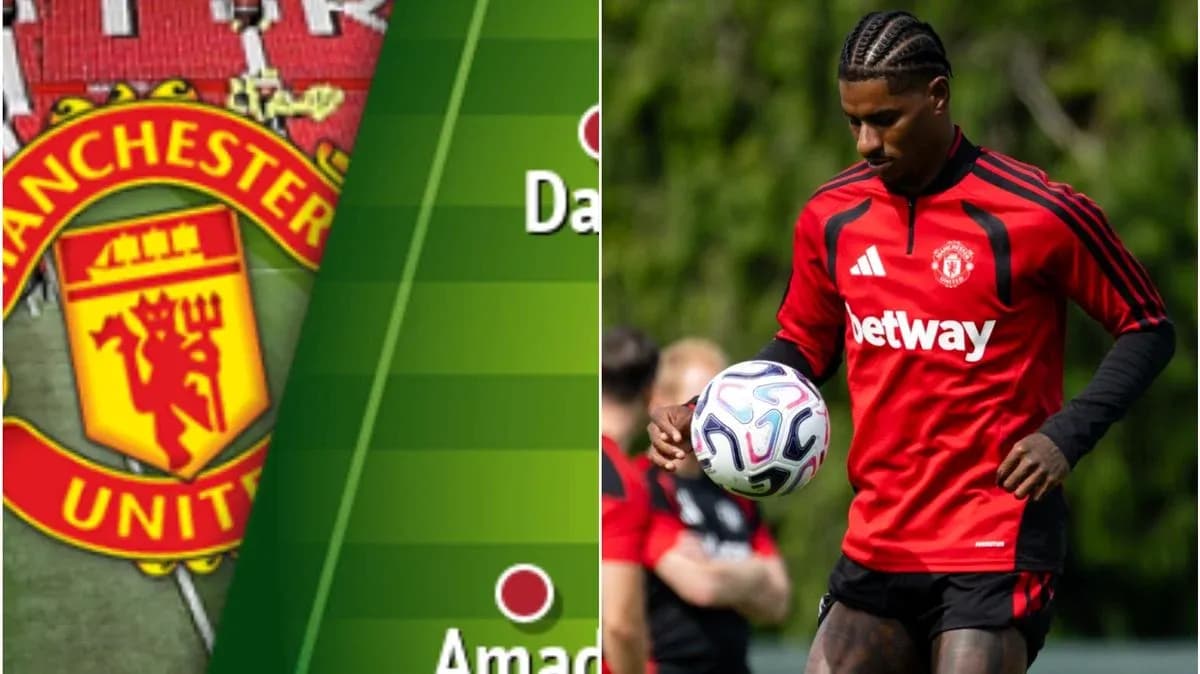
Rashford can do much of that work too. He presses, he reads space, he loves the run beyond the last man. He is not a Gordon clone, but in this England side he fills a similar tactical role.
So when legs started to tire, Tuchel turned to him.
Seventy-two minutes gone. Rashford on.
Thirteen minutes later, the net bulged. A sweeping England move, Croatia finally carved open, and Rashford applied the finish that had been waiting for him all evening.
“Marcus is just pushing and pushing and pushing in training at the highest level,” Tuchel said afterwards. “I am very, very happy for him that he got his [goal] and I hope he stays hungry for the next one and the next one because he was absolutely impressive over the last 17 days and he really deserved his goal.”
The message was clear. Start or not, Rashford remains central to the plan.
Rogers, Bellingham and a brutal decision
If Rashford’s role is evolving, Morgan Rogers’ emergence is forcing even tougher calls.
Tuchel has been open about his admiration for the Aston Villa forward, whose form has already placed him on the radar of bigger clubs. Rogers brings power, imagination and a fearlessness that fits this new England.
Jude Bellingham is still the superior all-round footballer, the man around whom this team orbits. Yet even with Bellingham in full flow, Rogers pushed hard to start in Dallas.
“The tough, tough decision was to take to say to Morgan Rogers that he will not start, because he deserves 100 percent to start, and he has done so well for us,” Tuchel admitted after the game.
Rogers had to wait. When he finally appeared around the 70-minute mark, he changed the temperature of the contest. He buzzed between the lines, demanded the ball, and constantly asked questions of a tiring Croatia midfield. His most important contribution did not show up in any highlight reel: a sharp decoy run that opened the lane for England’s decisive fourth goal.
That is what depth looks like. A player good enough to start a World Cup game instead wreaking havoc off the bench.
And there will be nights, sooner rather than later, when Rogers’ role is not just to distract defenders but to decide matches.
Spence, Saka and the right-side rotation
While the left flank dominated the pre-match debate, the right side quietly told its own story.
With Reece James rested, Djed Spence stepped in at right-back and delivered the kind of performance that makes a manager breathe easier. He drove forward with purpose, broke lines with the ball and added a spark to England’s counter-attacks. Only a smart piece of goalkeeping denied the Tottenham defender a goal that would have crowned his evening.
Bukayo Saka came on and reminded everyone why, when fully fit, he is an automatic starter.
Saka has endured an injury-disrupted season at Arsenal and continues to manage an Achilles issue. Tuchel has chosen caution over recklessness, wrapping one of his most important players in cotton wool during the early stages of the tournament.
Noni Madueke got the nod against Croatia. Saka was held back, then unleashed for a controlled 20-minute burst. That was enough for him to slip into rhythm and slide an assist into Rashford’s path.
“Bukayo is ready and will get more and more ready,” Tuchel said. “I think once we go to the last game of this group, he will be ready. He was strong in training on Tuesday in small spaces. It was just a matter of if the game was open and was up and down.”
For the heavyweights, Saka starts. For now, with group-stage margins wider and the conditions draining, Tuchel can afford to manage his winger’s minutes.
Stars in reserve – and the tension it brings
Then there are the players who did not even cross the white line in Dallas.
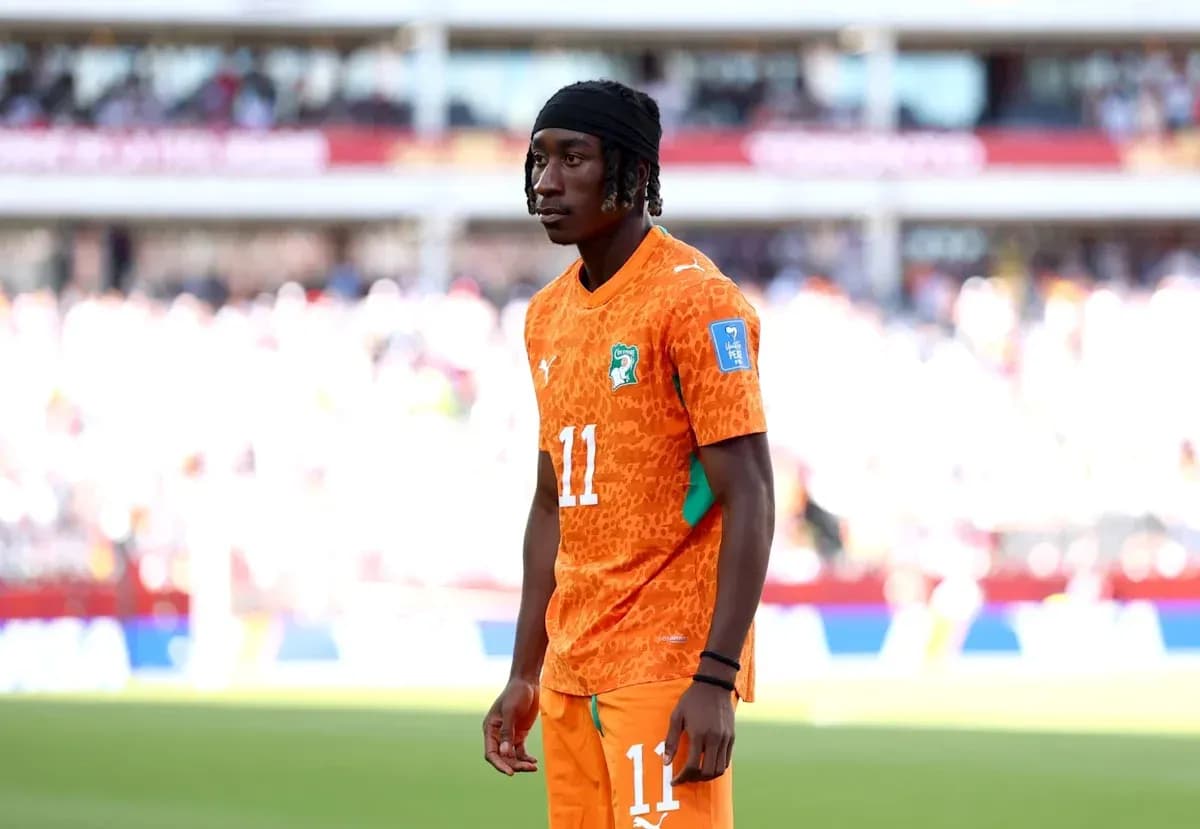
Ollie Watkins, fresh from a superb season with Aston Villa, stayed seated. So did Eberechi Eze, the kind of mercurial playmaker Arsenal would build a game plan around. Kobbie Mainoo, who would walk into most midfields at this tournament on Manchester United form alone, watched the whole thing unfold from the bench.
This is not 2018. Back then, Sir Gareth Southgate looked down the line in a World Cup semi-final against Croatia and saw Danny Welbeck and Fabian Delph as his attacking options. Beyond Rashford and Jamie Vardy, the cupboard was light.
This version of England is different. The bench bristles with players who are not just squad fillers but match-winners in their own right.
There is a cost. These are not squad players at club level. Of Tuchel’s 26-man group, only three – John Stones, Madueke and reserve goalkeeper James Trafford – were not regular starters last season. The rest are used to playing every week, used to being the solution, not the spare part.
Some have already knocked on the manager’s door.
“Just yesterday, we had a conversation where I told him [Rashford] that I’m very, very impressed with his last 16 days, with how he was in camp, how he pushes on the pitch,” Tuchel revealed. “He’s totally involved in every meeting. He’s very, very fast in translating a meeting onto the pitch.”
Tuchel trusts that the group can absorb the frustration and channel it.
“It is now four more weeks and in four weeks you can swallow it and digest it and buy into it. We selected the group because we were sure that they could do it and they all can,” he said.
Some players know their place in the hierarchy. Jordan Henderson is here as much for his voice and experience as for his legs at 36. Ivan Toney’s value lies heavily in his nerve from the penalty spot when knockout games tighten. If Dan Burn or Jarrell Quansah are called upon, it likely means something has gone wrong.
Yet even that underlines the broader point: England have answers almost everywhere.
Rotation as a weapon, not a weakness
Before Croatia, Tuchel was asked who might start. His response was telling. He spoke of having “14 or 15 starters” – players he could drop into the XI without weakening it.
In this World Cup, with oppressive heat and players coming off brutal club campaigns, that is not a boast. It is a necessity. No side can realistically expect to roll out the same team eight times in four weeks and stay sharp.
Tuchel will not try.
If Bellingham needs a breather, Rogers can step in and torment defences in a different way. If Harry Kane is spared a dead-rubber third group game, Watkins is waiting, hungry and in form. If Saka needs to be protected, Madueke can run at full-backs from the first whistle.
This is not rotation for rotation’s sake. It is rotation as strategy. As protection. As a way to keep England’s main men fresh for the nights that will define their tournament.
The win over Croatia did more than bank three points. It showcased a squad built not just to start a World Cup strongly, but to sustain a charge deep into July.
The question now is not whether England have enough quality. It is whether Tuchel can keep all that talent aligned, engaged and ready to strike when their moment comes – right up to July 19.