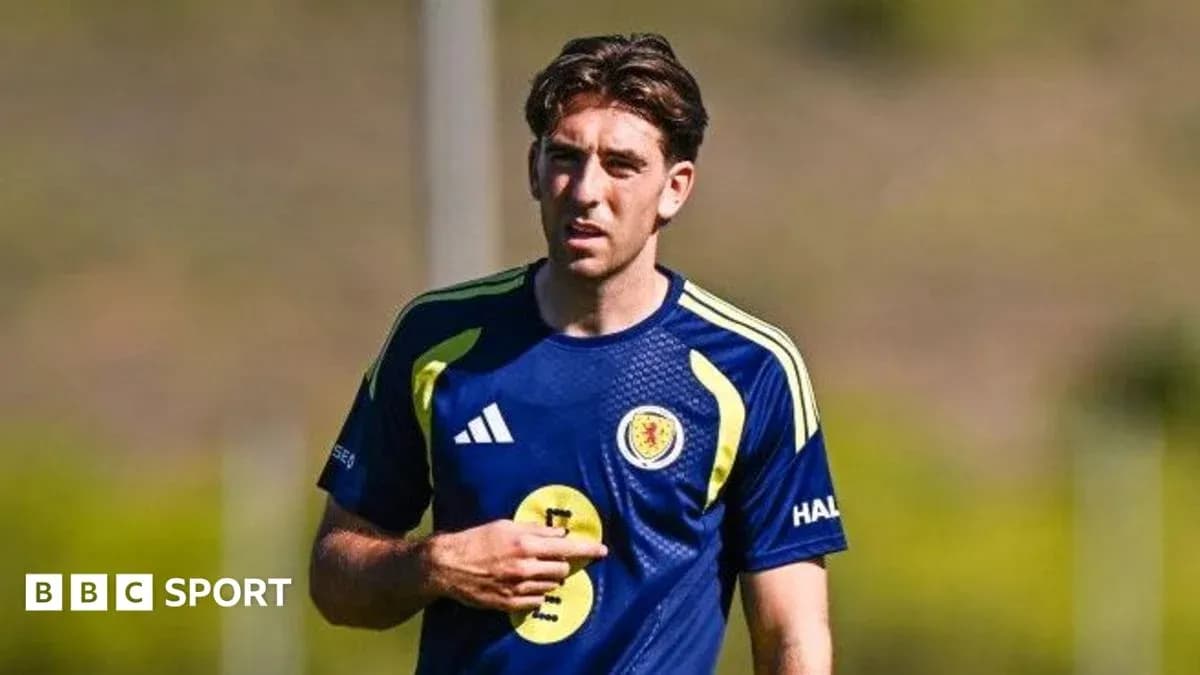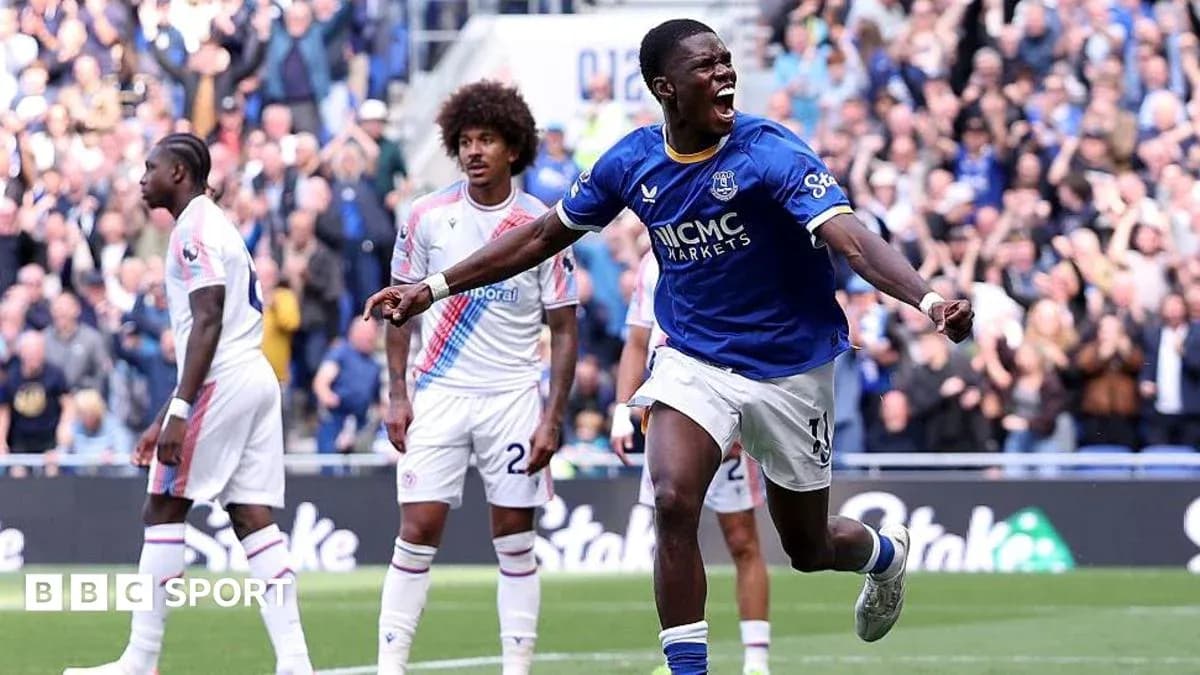
Thierno Barry's Transformational Journey at Everton
With fewer than 15 minutes left and the points already safe, Hill Dickinson Stadium rose one more time.
The stadium announcer confirmed what everyone could see on the touchline: match-winner Thierno Barry was coming off, Beto was coming on. The noise told its own story. Barry slowed his walk, lifted his head and took it in – a full-throated ovation from a fanbase that, not long ago, watched him with folded arms and furrowed brows.
This was different. This felt like a turning of the page.
From drought to deliverer
Early in the second half, with Crystal Palace still clinging to the idea of a comeback, Iliman Ndiaye bent in a wicked cross from the right. Barry attacked it, timing his run perfectly, and buried his header to double Everton’s lead. He wheeled away grinning, swallowed by the roar from the Gwladys Street end.
That smile has been hard-earned.
At the end of last year, the Frenchman looked a £27m problem rather than a £27m solution. Fourteen games without a goal, one strike in his first 18 Premier League appearances, and the patience that greeted his arrival from Villarreal was wearing thin. Everton had gambled on potential rather than a finished product. For a while, it looked like a miscalculation.
They hardly had a choice. This is a club that has lived on the edge in recent seasons – cycling through managers, scraping clear of relegation, absorbing a points deduction for breaching the Premier League’s Profit and Sustainability Rules. When David Moyes and his recruitment team drew up the shortlist for a new No 9, they knew they were shopping in a very different aisle to England’s elite.
Barry, fresh from an 11-goal La Liga campaign, arrived as a project. Everton accepted it would take time. The terraces did not always feel as patient.
Then January came, and something shifted.
Barry’s season suddenly sparked. He began to look like the striker they thought they were buying – aggressive in the box, sharper in his movement, more ruthless in front of goal. By May, he had eight Premier League goals from 38 appearances. Not spectacular on paper, but significant when you zoom in.
Four of those goals came after Jack Grealish, Everton’s creative heartbeat, suffered a season-ending injury in January. As others faded in the run-in, Barry’s form went the other way. He kept scoring when the team needed it most, pushing Everton towards a European place.
The numbers back up the eye test. His eight goals came from an expected goals figure of 8.1. His shot conversion rate? 21.1%, barely a fraction shy of Erling Haaland’s 21.4%. For a 23-year-old in his first Premier League season, in a side still finding its attacking rhythm, that is serious output.
Moyes’ demanding eye
So when Moyes sat down in the bowels of Hill Dickinson Stadium after the opening-day win over Palace, he was not about to declare the job done. He praised the goal. He praised the moment. But he also saw the rough edges.
“Look, strikers will probably be judged on their goals, so he can walk away and be really happy with it,” the Everton manager said, before quickly widening the lens.
He made sure to highlight the cross from Ndiaye – “the quality of the cross” – and the importance of Barry being in the right place to finish it. That, Moyes stressed, was “really big for us because it was an important time in the game.”
Yet there were parts of Barry’s display that grated. Moyes did not hide them. Too often the forward drifted unnecessarily into wide areas. Too often he failed to bring the ball under control when Everton tried to spring forward on the break. For a manager who once shaped a teenage Wayne Rooney into a Premier League force, those details matter.
“I need his build-up play to be better,” Moyes said. “I need him to be able to retain the ball for us so we can play into him more often.
“I want him to get in the right spaces, which he did today for the cross. He had a couple where the ball got played to him and he didn't quite deal with it with his feet.
“Sometimes he is out linking up when he doesn't need to be linking up. I think there is a lot to his game.”
This is the Moyes template. Demand more, even on a good day. Especially on a good day.
A talisman in the making
What will encourage Everton supporters just as much as the goal is the attitude behind it. Moyes has seen a change.
“I said last year that when you're a young striker coming in, it's not always easy,” he reflected. “I think he's come in with a really, really positive attitude this year.
“I think he's come back with something that has stirred him up a little bit more, as if he's got something to prove.”
You could see that edge in the way Barry attacked Ndiaye’s cross. In the way he chased lost causes. In the way he soaked up the applause as he left the pitch, not with arrogance, but with a quiet sense that he belongs here now.
Everton, once again, are trying to build towards something more stable, more ambitious, after years of firefighting. They still cannot throw money around. They still need to win as many bets as they lose in the transfer market. For that to happen, players like Barry have to grow into more than just hopeful investments.
On the opening day, the Frenchman looked every inch a forward ready to step into the role of talisman. The numbers from last season suggest this is not a one-off. The manager’s demands suggest there is another level still to come.
The crowd’s reaction as he left the field said something else entirely: they are ready to follow him there.