Tartan Army Celebrates World Cup Return at Fenway Park
Tartan Army trades Gillette glory for Fenway’s green cathedral
Scotland’s long wait for a World Cup return ended with a roar in Foxborough. Twenty‑eight years of frustration, near-misses and hard-luck stories were washed away in a single, scruffy, utterly priceless moment at Gillette Stadium on Saturday night.
John McGinn won’t care how it looked. In the 28th minute against Haiti, the midfielder stuck out a leg, the ball clipped an opposing defender and wrong-footed goalkeeper Johny Placide. One deflection, one roll into the net, one 1-0 win – and a landmark night sealed for a nation that had been starved of this stage for a generation.
The goal was hardly a thing of beauty. The occasion was.
Scotland, back at a World Cup for the first time in nearly three decades, finished their group campaign with a result that will sit comfortably alongside some of their most cherished tournament memories. The final whistle brought the usual soundtrack: limbs, flags, voices cracking on old songs. But this time it carried the weight of all those missing years.
From Foxborough to Fenway
The party did not end at Gillette. It simply changed venue.
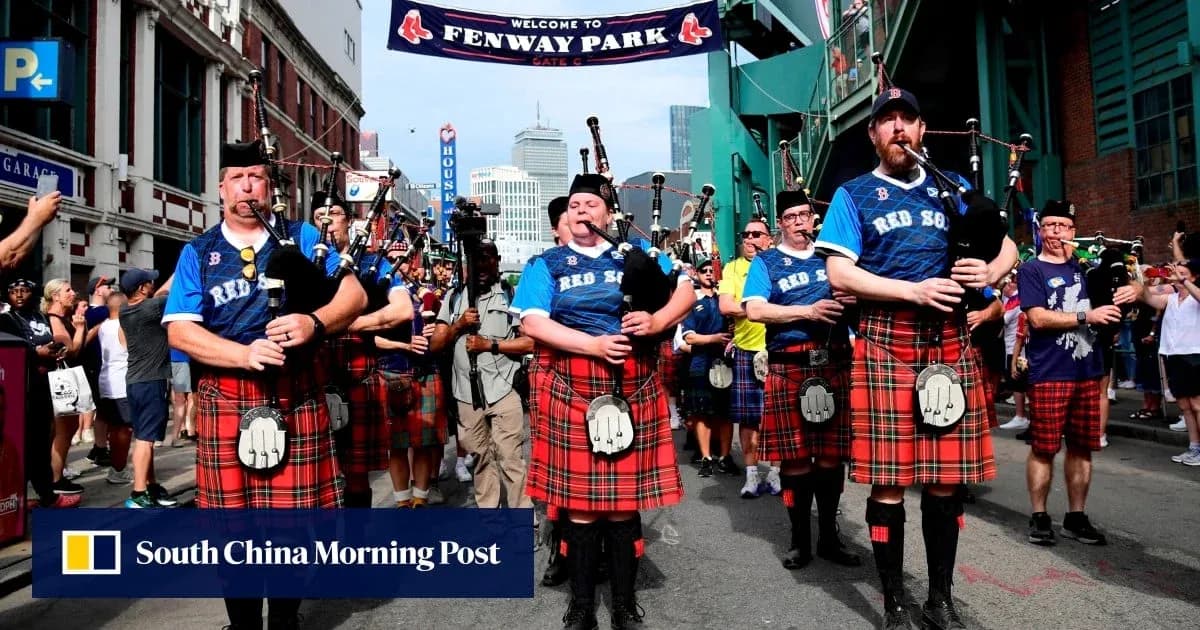
By Sunday, the Tartan Army had decamped to Boston, swapping penalty-box drama for the peculiar geometry of baseball’s most famous outfield. Fenway Park, 114 years old and steeped in its own sporting mythology, became the next stop on Scotland’s American tour.
Thousands of supporters gathered in a public park roughly half a mile from the stadium, then surged towards the ground in a noisy, good-natured march. They swept down the street behind the centre-field stand, a river of dark blue shirts and saltires, before spilling into the bars that cling to Fenway’s outer walls.
Inside, Boston had rolled out its own welcome.
The Red Sox had tagged the night as “Scottish Heritage Celebration Night,” a nod to the travelling support that had turned New England tartan for the weekend. Special jerseys in Scottish colours were made available with a specific ticket package. They did not linger on the shelves. The promotion sold out, a clear sign that curiosity – and perhaps a bit of shared underdog spirit – had gripped Red Sox Nation.
Baseball caps and blue shirts
For many Scots, this was their first brush with Major League Baseball, a different code but a familiar feeling: a historic old ground, a fanbase that has known both glory and long, painful droughts, and a sense that sport is as much about belonging as it is about winning.
“I’m looking forward to seeing how Fenway Park deals with us,” said 43-year-old Allan Middlemass of Edinburgh, sporting a blue Red Sox cap bought specially for the trip across the pond.
It was a telling detail. The cap, the colours, the curiosity. A Scottish support that had finally seen its team win on the World Cup stage now folding itself into another city’s rituals, another sport’s rhythms, without losing its own identity for a second.
On one weekend in New England, Scotland claimed a World Cup victory, turned a corner of Massachusetts into a temporary outpost of home, and left even baseball’s oldest cathedral wondering what might happen if the Tartan Army ever came back in greater numbers.