Sunderland vs Manchester United: Premier League Clash Preview
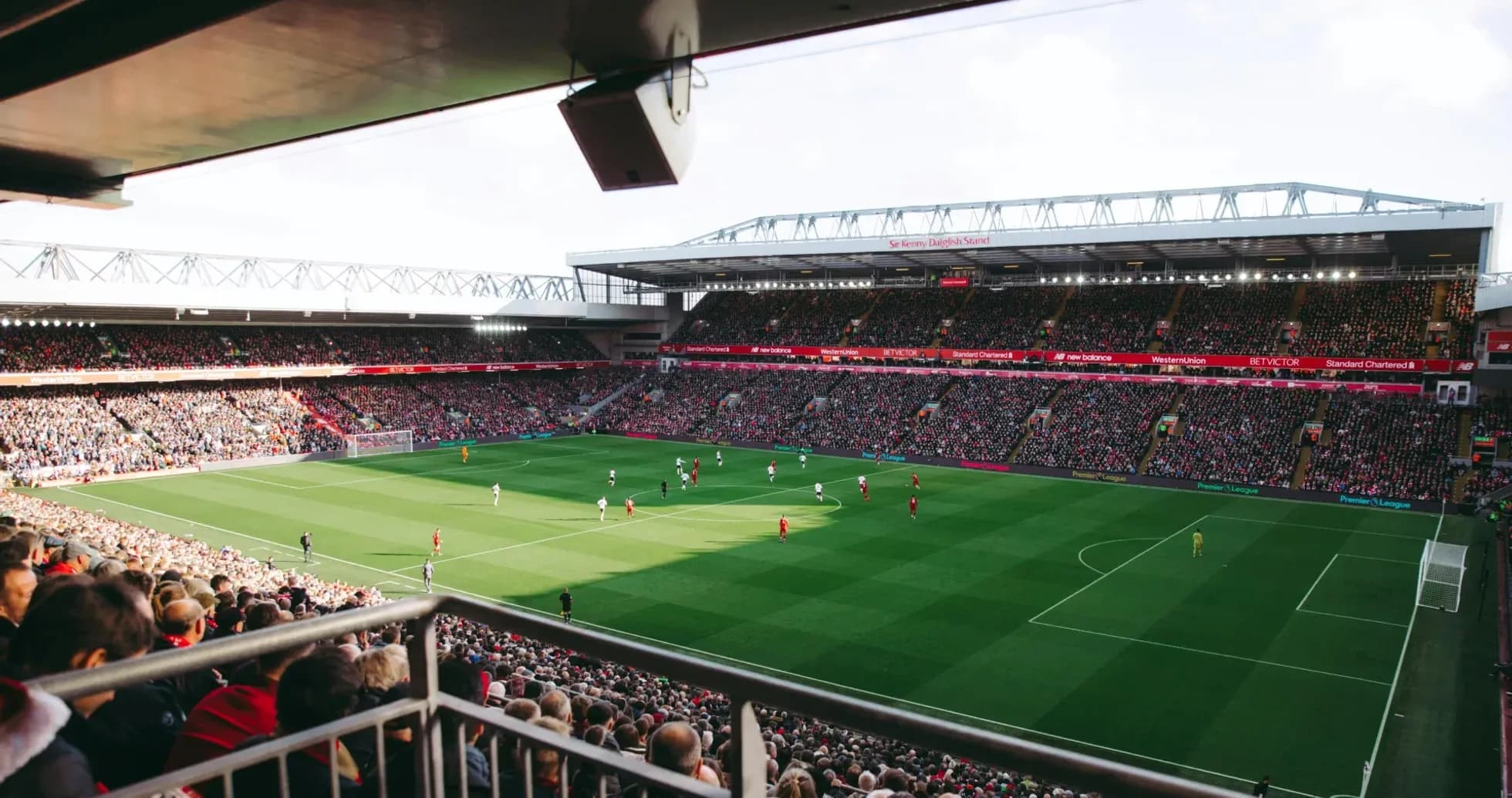
The Stadium of Light stages a classic Premier League meeting in May 2026 as mid‑table Sunderland host top‑four chasing Manchester United in round 36 of the league season. With Sunderland sitting 12th on 47 points and United third on 64, the stakes are very different: the hosts are edging towards a solid return to the top flight, while the visitors are trying to lock in Champions League qualification and perhaps apply late pressure in the title picture.
Both sides arrive with contrasting recent league form. Sunderland’s last five in the league read “DLLWW”, suggesting a late-season uptick after a rocky spell. Manchester United, by contrast, are “WWWLD” across their last five – four wins in that run underline a side largely in rhythm despite a recent stumble.
Tactical landscape: Sunderland’s structure versus United’s firepower
Across all phases, Sunderland have leaned heavily on a flexible base. Their most-used shape is a 4‑2‑3‑1 (18 matches), but they have also rotated through 4‑3‑3, 5‑4‑1, 4‑4‑2 and even 3‑4‑3. At home they are robust: 8 wins, 5 draws and just 4 defeats from 17, with 23 goals scored and 19 conceded. An average of 1.4 goals for and 1.1 against per home game paints the picture of a side that can compete, especially in front of their own fans.
Sunderland’s defensive numbers are quietly respectable. They have kept 10 clean sheets across all phases (6 at home) and concede 1.3 goals per game overall. However, they have also failed to score in 12 of 35 league outings – a third of their matches – which is a warning sign against an opponent with United’s attacking ceiling. Their biggest home defeat, 0‑5, hints at what can happen when their structure collapses against elite opposition.
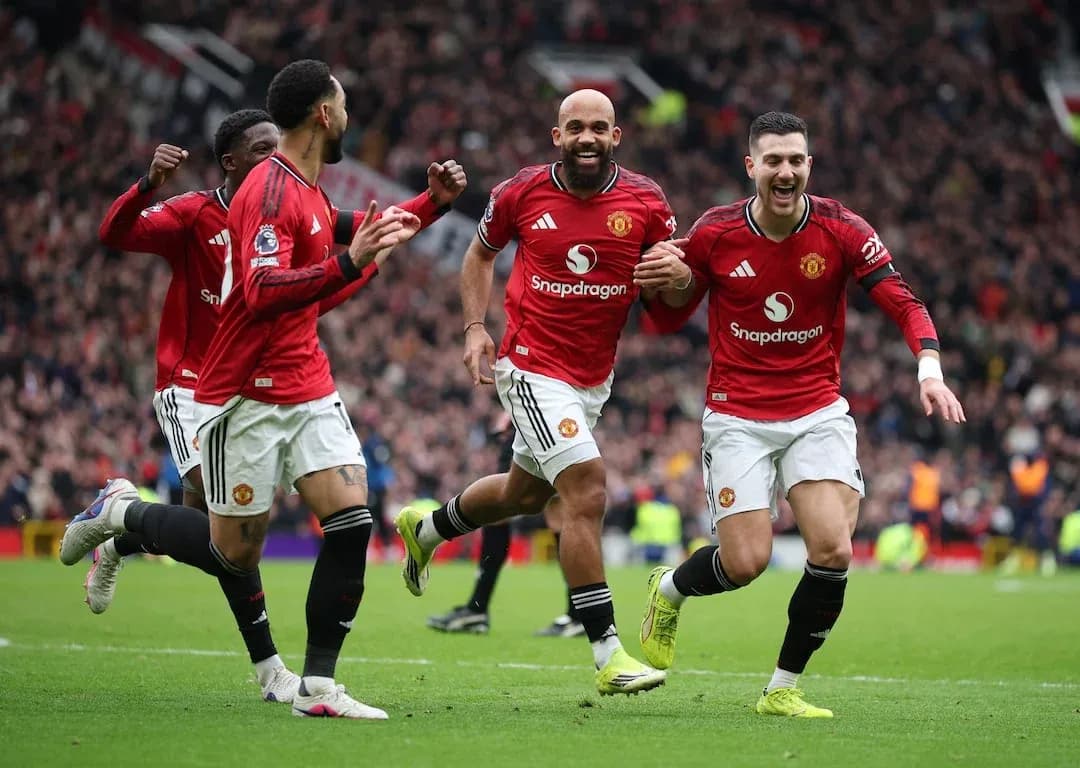
Manchester United, meanwhile, travel north with one of the division’s most potent attacks. In the league, they have scored 63 goals in 35 matches (1.8 per game), with 27 of those away from Old Trafford at an average of 1.6 per away match. Their away record – 6 wins, 7 draws, 4 defeats – shows they are not flawless on the road, but they usually carry enough threat to score.
Tactically, United have alternated between a 3‑4‑2‑1 (18 games) and a 4‑2‑3‑1 (17 games). That flexibility allows them to overload central areas with Casemiro and their attacking midfielders, or to spread the pitch with wing‑backs in the back‑three system. The choice at the Stadium of Light may hinge on how much respect they show Sunderland’s home record: a 3‑4‑2‑1 offers control and width, a 4‑2‑3‑1 more direct pressure on Sunderland’s back line.
Key players and attacking patterns
United’s attacking profile this season is well defined by their top scorers. Benjamin Šeško leads their league tally with 11 goals from 30 appearances. He has taken 51 shots with 34 on target, suggesting a healthy shot volume and decent accuracy. While he has yet to score a penalty in the league (0 scored, 0 missed), his threat in open play and aerial presence (195 cm) will be central to United’s approach, particularly against a Sunderland defence missing a key centre‑back.
Supporting him, Bryan Mbeumo, Casemiro and Matheus Cunha all sit on 9 league goals apiece. Mbeumo offers creativity and movement from wide or half‑spaces, with 46 key passes and 3 assists in addition to his goals. Cunha adds dribbling and ball‑carrying – 88 dribble attempts with 41 successes – ideal for breaking lines and exploiting space between Sunderland’s midfield and defence. Casemiro, with 9 goals and 2 assists, is more than just a destroyer: his late arrivals into the box and set‑piece threat are a major secondary scoring source.
None of these United attackers has scored from the spot in the league; all show 0 penalties scored and 0 missed. As a team, United have converted all four of their penalties this season (4/4), but the goals have not come from these particular players in league play, so any late spot‑kick drama is likely to involve another taker.
For Sunderland, the data set does not provide individual scoring leaders, but the team profile is clear. Their biggest home win, 3‑0, suggests that when their 4‑2‑3‑1 clicks, they can create multi‑goal performances, particularly against sides who leave space in transition. With 23 home goals and 10 clean sheets, their game plan will likely revolve around compactness, aggressive midfield pressing in key yellow‑card time windows (notably 46‑60 minutes, where they pick up 18 yellows, 23.38% of their total), and quick counters.
The Ballard problem and defensive reshuffle
Team news tilts some of the tactical balance. Sunderland are definitely without D. Ballard due to a red card and R. Mundle with a hamstring injury. Ballard’s absence is significant: losing a first‑choice centre‑back against this United attack forces a reshuffle, potentially pushing Sunderland towards a more conservative shape such as 5‑4‑1, a system they have already used five times this season.
There are further doubts over N. Angulo (muscle injury), S. Moore (wrist injury) and B. Traore (knee injury). While their exact roles are not specified, the volume of question marks reduces the manager’s flexibility from the bench and may limit late tactical changes if Sunderland are chasing the game.
United are also missing a defensive pillar in M. de Ligt (back injury). His absence weakens their aerial dominance and organisational quality at the back, especially on set pieces. However, United have coped with defensive instability before and still carry enough offensive weight to out‑score problems. B. Šeško is listed as questionable with a leg injury; if he fails to make it, the burden will fall even more heavily on Mbeumo and Cunha to provide end product, and could push United towards a more fluid front line rather than a traditional focal point.
Head‑to‑head: United’s dominance, Sunderland’s reminder
Looking at the last five competitive meetings in the Premier League, Manchester United have the clear upper hand: 4 wins for United, 1 win for Sunderland, 0 draws.
- In October 2025 at Old Trafford, United beat Sunderland 2‑0.
- In April 2017 at the Stadium of Light, United won 3‑0.
- In December 2016 at Old Trafford, United won 3‑1.
- In February 2016 at the Stadium of Light, Sunderland claimed a 2‑1 home win.
- In September 2015 at Old Trafford, United won 3‑0.
The pattern is stark: United have won all three recent home fixtures comfortably and both of the last two visits to the Stadium of Light without conceding. Sunderland’s solitary win in this run – the 2‑1 success in February 2016 – is a reminder that this ground can unsettle United when the home side are organised and aggressive.
Defensive discipline and set‑piece edges
Both teams’ card profiles suggest an intense midfield battle. Sunderland accumulate yellows heavily between 46 and 75 minutes, while United’s bookings peak between 46‑60 and 76‑90. With both sides prone to late‑game cards, the closing stages could be fractious, especially if the scoreline is tight.
From a set‑piece standpoint, Sunderland’s 10 clean sheets and United’s modest total of 6 clean sheets indicate that neither back line is impenetrable. United’s biggest away defeat, 3‑0, shows they can be exposed when their press is broken and their back line is left open. Sunderland’s biggest home loss, 0‑5, shows that if they chase too high or lose defensive discipline, United’s level of attack can run away with the game.
The Verdict
The data points towards a match in which Manchester United should control territory and chances, but Sunderland’s home resilience and United’s occasional away volatility prevent this from being a foregone conclusion.
In the league, United simply score more (63 vs Sunderland’s 37) and have a superior goal difference (+15 vs Sunderland’s ‑9). Their array of goal threats – Šeško, Mbeumo, Cunha, Casemiro – and a recent run of four wins in five give them a strong platform. Sunderland, though, are no pushovers at the Stadium of Light, with a positive home record and 6 clean sheets there, and they have a recent historical reminder of how to beat United on this ground.
Factor in Sunderland’s defensive absences, especially Ballard, and United’s attacking depth, and the balance of probabilities leans towards an away win. Sunderland have enough structure to keep it competitive and may well score, but United’s superior firepower and motivation in the top‑four race should tell over 90 minutes.