Spain Dominates Austria 3-0 in World Cup Round of 16
Spain 3-0 Austria at SoFi Stadium sends Luis de la Fuente’s side into the World Cup Round of 16 with authority, extending an already flawless defensive record in the tournament. Spain move from 7 to 10 points overall with their goals-for tally rising to 8 and still no goals conceded, underlining their status as one of the form teams of the competition. Austria, who came into the Round of 32 with 4 points and a neutral goal difference, exit on 4 points with their goals-for remaining at 6 and goals-against climbing to 9, a harsh correction against a top-tier opponent.
Match Report
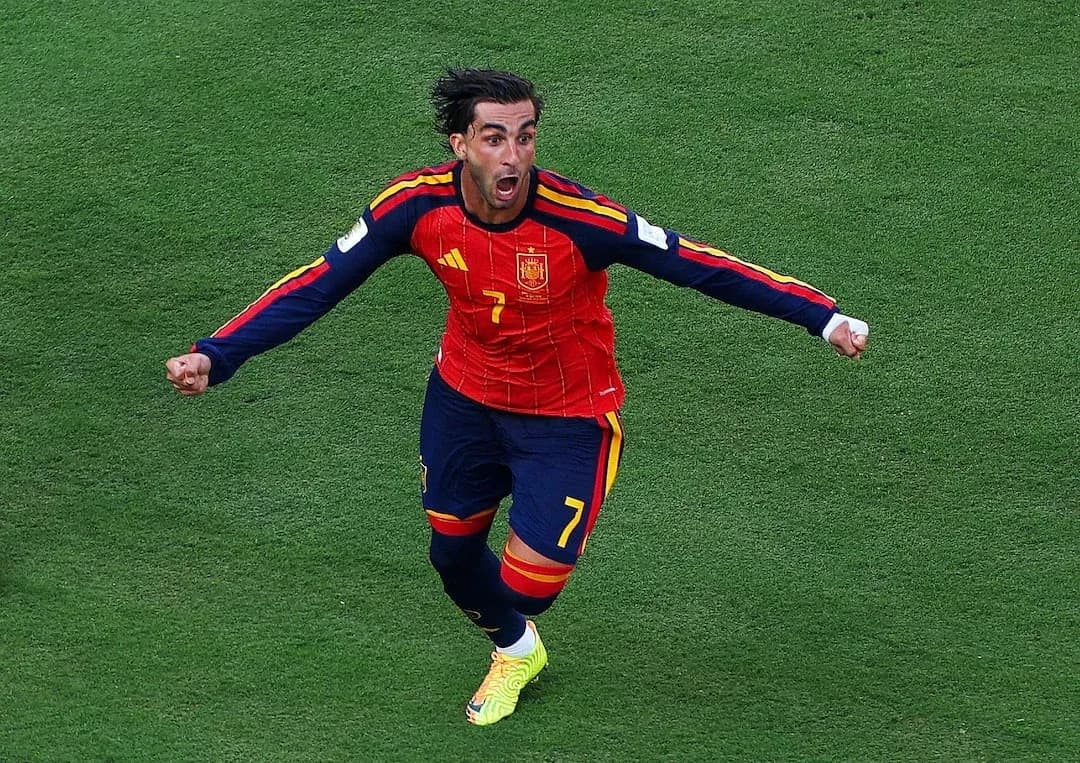
The pattern was established early: Spain monopolised the ball and territory, while Austria tried to compress space in their own half. The breakthrough came in the 36th minute. Spain goal — Mikel Oyarzabal (assisted by Marc Cucurella) finished a flowing move down the left, Cucurella overlapping and cutting back for Oyarzabal to steer home, making it 1-0 Spain.
Austria looked to reset at the interval and made a double change at half-time. At 46', Carney Chukwuemeka replaced Nicolas Seiwald (Austria), adding more ball-carrying from midfield. Also at 46', Florian Grillitsch replaced Xaver Schlager (Austria), aiming to improve Austria’s distribution from deep.
On the hour mark, Ralf Rangnick pushed further for an attacking response with another double substitution. At 60', Marko Arnautovic replaced Michael Gregoritsch (Austria) up front, offering more mobility and link play. In the same minute, Saša Kalajdžić replaced Romano Schmid (Austria), giving Austria a more direct aerial threat and a second focal point.
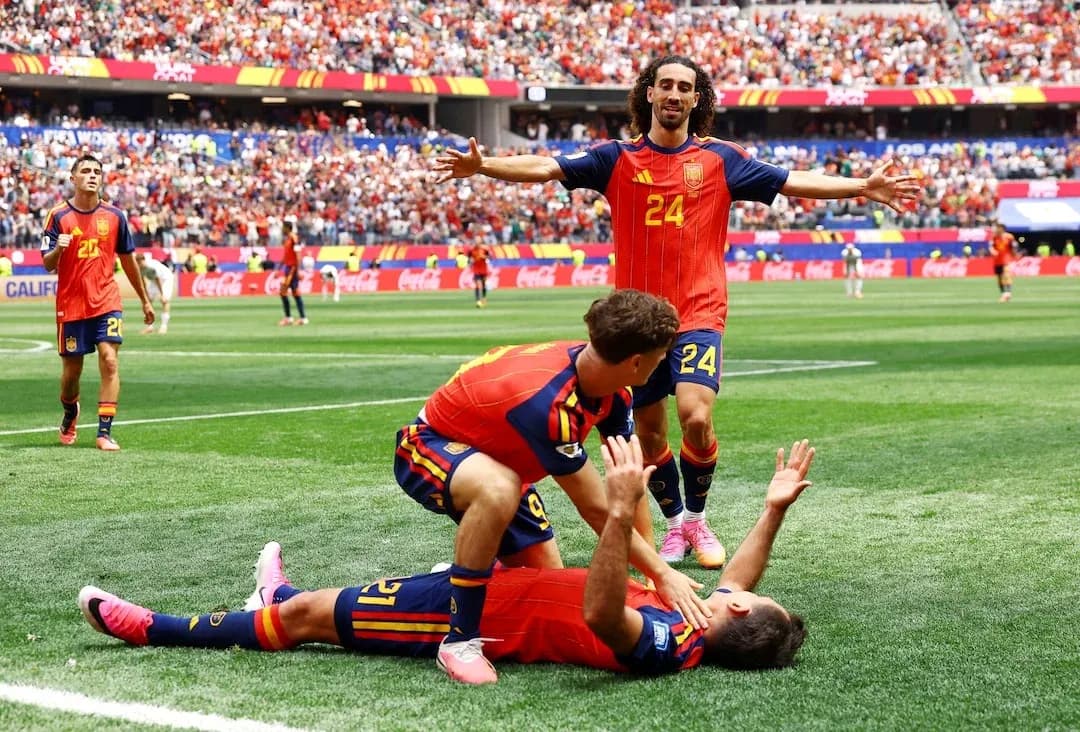
Spain, however, tightened their grip and found a second goal to effectively kill the tie. In the 66th minute, Spain goal — Pedro Porro (assisted by Alex Baena) arrived from the right-back, Porro timing his run to meet Baena’s pass and finishing clinically from the edge of the box to make it 2-0 Spain.
With a two-goal cushion, De la Fuente began to manage minutes. At 71', Ferran Torres replaced Alex Baena (Spain), adding fresh legs and depth in the wide areas. In the same minute, Mikel Merino replaced Dani Olmo (Spain), reinforcing central control and helping Spain manage transitions.
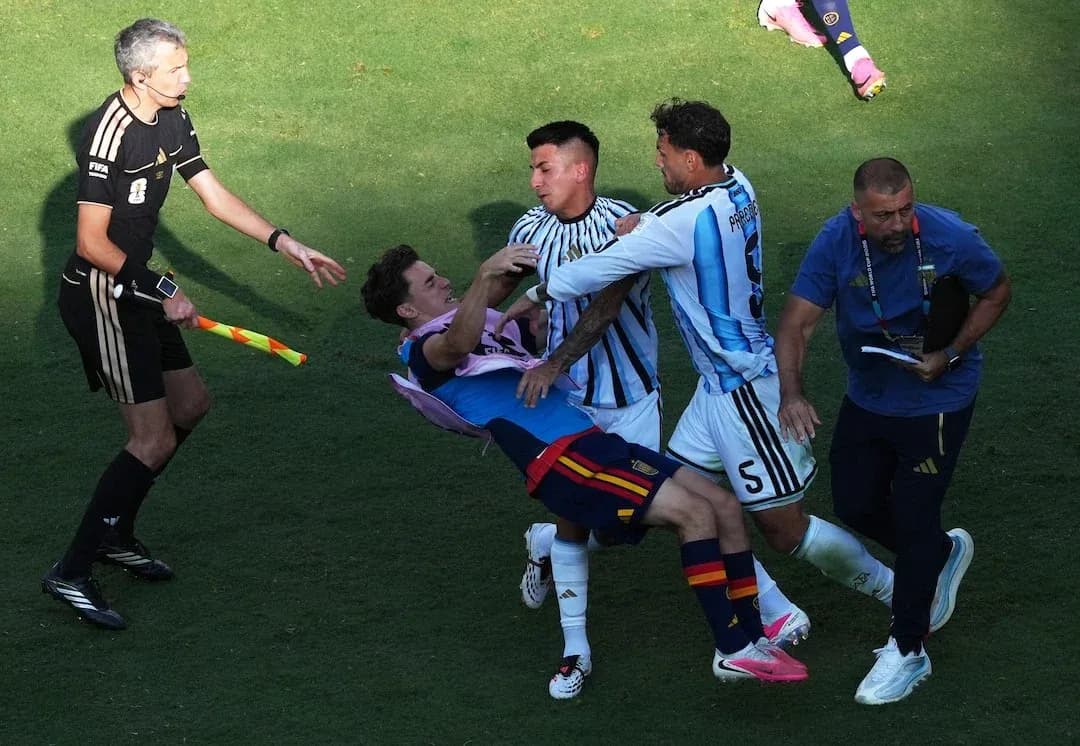
Austria’s frustration showed late on. At 83', Stefan Posch (Austria) — yellow card (Holding) — was booked for a cynical tug as Spain broke through the right channel, emblematic of Austria’s struggles to contain Spain’s wide rotations.
Both coaches made further changes as the game moved into its final phase. At 85', Gavi replaced Lamine Yamal (Spain), giving Spain another ball-secure midfielder to see out the contest. Also at 85', Alexander Prass replaced Stefan Posch (Austria), a like-for-like defensive change after the booked right-back’s difficult evening.
Spain then added a third to underline their superiority. In the 89th minute, Spain goal — Mikel Oyarzabal (assisted by Marc Cucurella) saw the forward again profit from Cucurella’s advanced positioning, the left-back delivering another precise ball for Oyarzabal to finish and make it 3-0 Spain.
In stoppage time, Spain completed their rotation of key pieces. At 90+3', Fabián Ruiz replaced Pedri (Spain), preserving the playmaker for the next round while maintaining technical control. Also at 90+3', Marc Pubill replaced Aymeric Laporte (Spain), allowing Spain to rest their defensive leader in the closing moments of a comfortable win.
Fixture Statistics & Tactical Audit
- xG: Spain 2.84 vs 0.32 Austria
- Possession: Spain 65% vs 35% Austria
- Shots on Target: Spain 10 vs 0 Austria
- Goalkeeper Saves: Spain 0 vs 6 Austria
- Blocked Shots: Spain 7 vs 1 Austria
The numbers support a one-sided contest and a fair scoreline. Spain were dominant (65% possession, 23 total shots) and translated that control into high-quality chances, generating 2.84 xG and scoring three times. Their shot map was balanced, with 15 efforts inside the box and sustained pressure that forced Austria into 6 saves and 7 blocks. Austria, by contrast, failed to register a single shot on target (0 shots on goal from 5 attempts) and produced only 0.32 xG, illustrating how effectively Spain’s press and rest-defence smothered transitions. Spain’s 91% pass completion from 629 passes reflects a controlled, positional approach, while Austria’s 82% from 346 passes shows they were largely confined to low-risk circulation deep in their own half. The 9-0 corner count underlines Spain’s territorial dominance, and the foul balance (8 by Spain, 15 by Austria) reinforces how often Austria were forced into reactive defending rather than proactive pressing.
Standings Update & Seasonal Impact
Spain came into the knockout phase off a group campaign of 7 points, 5 goals scored and none conceded. This 3-0 victory lifts their overall World Cup tally to 10 points, with 8 goals for and still 0 against, stretching their goal difference from +5 to +8. It confirms their progression from the Round of 32 and cements their profile as one of the most balanced sides in the tournament, combining attacking output with perfect defensive numbers.
Austria entered the Round of 32 with 4 points, 6 goals scored and 6 conceded from Group J. Defeat here leaves them on 4 points overall, with their goals-for unchanged at 6 and goals-against rising to 9, moving their goal difference from 0 to -3. Having emerged from the group as runners-up, this loss halts their momentum and exposes the gap in both defensive structure and offensive punch when faced with an elite possession team.
Lineups & Personnel
Spain Starting XI
- GK: Unai Simón
- DF: Pedro Porro, Pau Cubarsí, Aymeric Laporte, Marc Cucurella
- MF: Rodri, Pedri, Lamine Yamal, Dani Olmo, Alex Baena
- FW: Mikel Oyarzabal
Austria Starting XI
- GK: Alexander Schlager
- DF: Stefan Posch, Kevin Danso, David Alaba, Konrad Laimer
- MF: Nicolas Seiwald, Xaver Schlager, Romano Schmid, Paul Wanner, Marcel Sabitzer
- FW: Michael Gregoritsch
Post-Match Verdict
This was a clinical Spain performance (2.84 xG, 10 shots on target, 65% possession) built on positional dominance and relentless width. Cucurella’s advanced role down the left repeatedly overloaded Austria’s right, directly producing two assists for Oyarzabal, while Porro’s goal from the opposite flank highlighted how both full-backs operated as auxiliary playmakers. Rodri and Pedri controlled central zones with 91% team passing accuracy, allowing Spain to sustain pressure and compress the pitch on turnovers.
Defensively, Spain were outstanding (0 shots on target conceded, Austria limited to 0.32 xG). Their counter-press after loss of possession prevented Austria from exploiting Arnautovic or Kalajdžić on the break, and the back line held a high starting position without being exposed. Austria’s game plan to sit compact and counter never materialised; they were vulnerable (9-0 corners against, 15 fouls committed) whenever Spain accelerated play, and their attacking changes could not alter a shot profile that remained almost entirely speculative. In sum, Spain’s blend of structure and incision justified the 3-0 margin and sends them into the next round as one of the tournament’s most convincing sides to date.