England Overcomes Congo DR in World Cup Round of 32
Mercedes-Benz Stadium became the stage where England’s evolving tournament machine was properly stress‑tested. In a Round of 32 tie that began awkwardly and ended with a measure of control, Thomas Tuchel’s side overturned a 0-1 half-time deficit to beat Congo DR 2-1, extending a campaign that has quietly been one of the most balanced in this World Cup.
Heading into this game, England’s numbers painted the picture of a side built on consistency rather than chaos. Overall they had played 4 matches, winning 3 and drawing 1, with no defeats. They had scored 8 goals in total and conceded 3, giving them a goal difference of +5 across the campaign. At home, they were averaging 2.0 goals scored and 1.0 conceded; on their travels, 2.0 scored and 0.0 conceded, a symmetry that underlined how Tuchel’s structure travels well. Congo DR, by contrast, arrived as a more volatile proposition: 4 matches in total, only 1 win, 1 draw and 2 defeats, with 5 goals scored and 5 conceded overall. At home they had been explosive, averaging 3.0 goals for and 1.0 against, but away that flipped to 0.7 scored and 1.3 conceded. This was always going to be a duel between England’s control and Congo DR’s capacity to punch in moments.
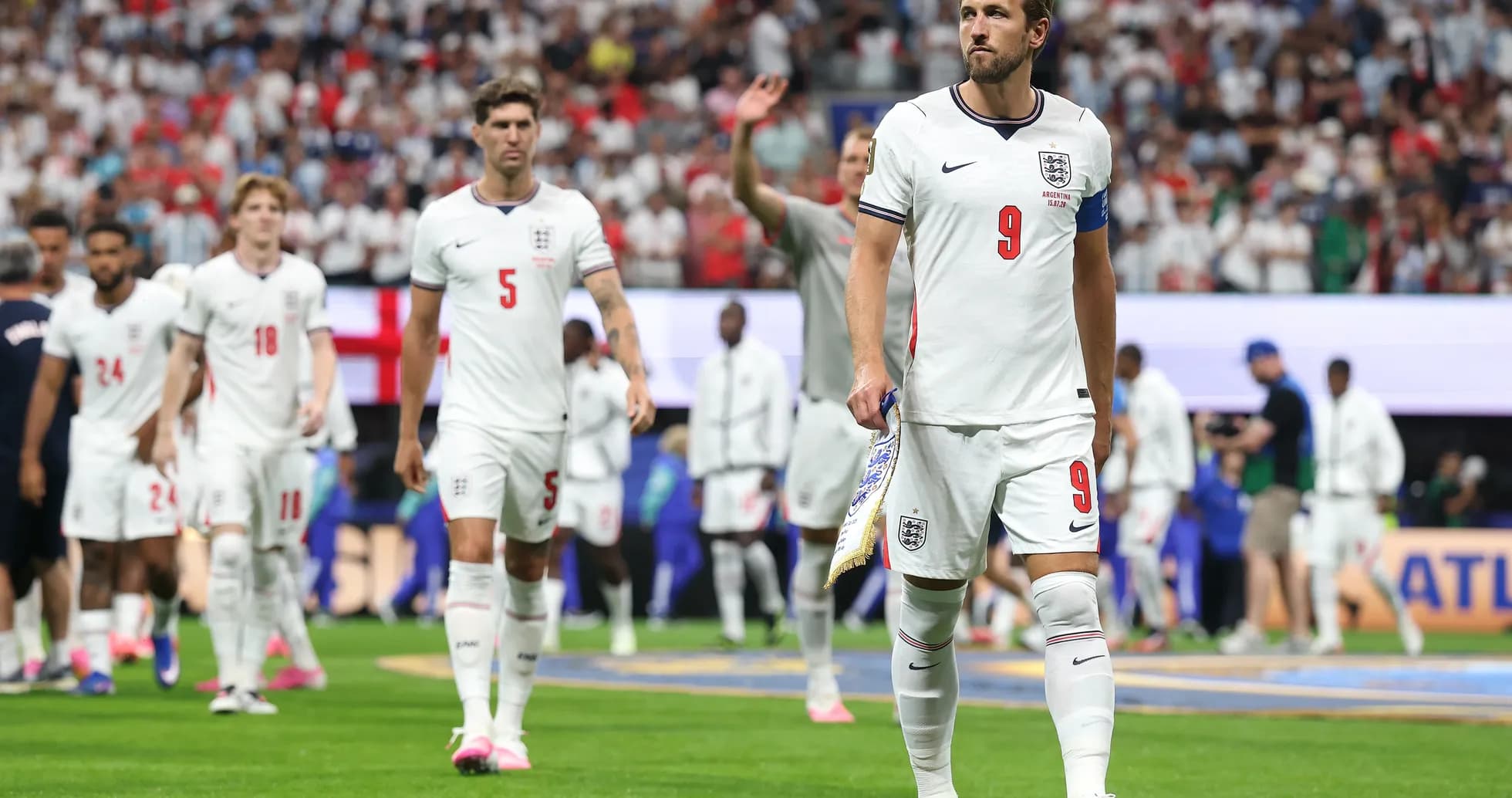
Tuchel doubled down on his preferred 4-2-3-1, a shape England had already used 3 times this tournament. J. Pickford was the constant in goal, shielded by a back four that blended continuity and new edges: D. Spence and N. O’Reilly as the full-backs, with E. Konsa and M. Guehi centrally. In front of them, D. Rice and E. Anderson formed a double pivot designed to both protect and progress, while the attacking band of three—N. Madueke wide right, J. Bellingham as the central creator, M. Rashford from the left—rotated around H. Kane, the tournament’s fourth‑ranked attacking performer by rating.
Across from them, Sebastien Desabre’s Congo DR shifted into a 4-3-3, a departure from the more conservative 5-3-2 they had used most often. L. Mpasi-Nzau started in goal, behind a back line where A. Wan-Bissaka and A. Masuaku offered aggression from full-back, with C. Mbemba and A. Tuanzebe in the middle. The midfield triangle of N. Mukau, S. Moutoussamy and N. Sadiki was tasked with compressing central spaces and springing transitions to a front three of N. Mbuku, Y. Wissa and B. Cipenga.
The absences subtly reshaped England’s defensive options. R. James was listed as missing with a hamstring injury, and J. Quansah was out with a sprained ankle. Both were on the bench list but unavailable in reality, forcing Tuchel to trust Spence and O’Reilly as his primary wide defenders for the full 90. It meant less scope for late-game rotation in the back line and put even more onus on Rice to screen transitions.
Discipline was always going to matter against a Congo DR side whose yellow-card profile reveals a team that tends to boil over in the middle phases. Overall this campaign, Congo DR had picked up a spread of cautions between 16-30, 31-45, 46-60, 61-75 and 91-105 minutes, with 33.33% of their yellows coming in the 16-30 window. N. Sadiki, who leads the World Cup charts in yellow cards with 2 so far, embodies that edge. He has also been one of Desabre’s most industrious midfielders: 9 tackles, 1 blocked shot and 2 interceptions, with 113 passes at 91% accuracy. England, by contrast, have been more measured: their yellows are clustered between 16-60 minutes, but they have avoided reds entirely. The disciplinary gap hinted at where control of tempo might be won.
Up front, the “Hunter vs Shield” duel was clear. Kane entered this tie as one of the tournament’s deadliest finishers: 5 goals in 4 appearances, from 14 shots with 9 on target, and a penalty record of 1 scored from 1 taken. England’s attack has been ruthlessly regular—2.0 goals per match in total—while Congo DR’s defence has been fragile away from their comfort zone, conceding 1.3 goals per game on their travels and 5 in total. The numbers suggested that if England could pin Congo DR back and force Mbemba and Tuanzebe into repeated box defending, Kane would eventually find his moment.
Yet Congo DR had their own hunter. Y. Wissa arrived with 3 goals from 10 shots and a perfect penalty record of 1 scored from 1, plus 9 fouls drawn—evidence of a forward who not only finishes but drags his team up the pitch. With England conceding 3 goals at home this campaign, Wissa’s movement between Konsa and Guehi, and into the channels behind Spence and O’Reilly, was always likely to be the away side’s most potent weapon. Early on, that threat materialised, with Congo DR exploiting England’s initial hesitancy in the defensive half-spaces to grab the lead before the break.
The “Engine Room” confrontation was just as decisive. Bellingham, operating as the central 10 in the 4-2-3-1, floated between the lines, using Rice’s positional discipline as a platform. Rice’s presence allowed Anderson to step higher at times, forming a 3-2 structure in build-up with Konsa and Guehi. Opposite them, Moutoussamy and Sadiki tried to compress the central lane and force England wide, where Wan-Bissaka’s 1v1 defending and Masuaku’s aggression could bite. For long spells of the first half, Congo DR’s trio did manage to slow England’s rhythm, but the cumulative effect of chasing a side that averages 2.0 goals per game began to tell after the interval.
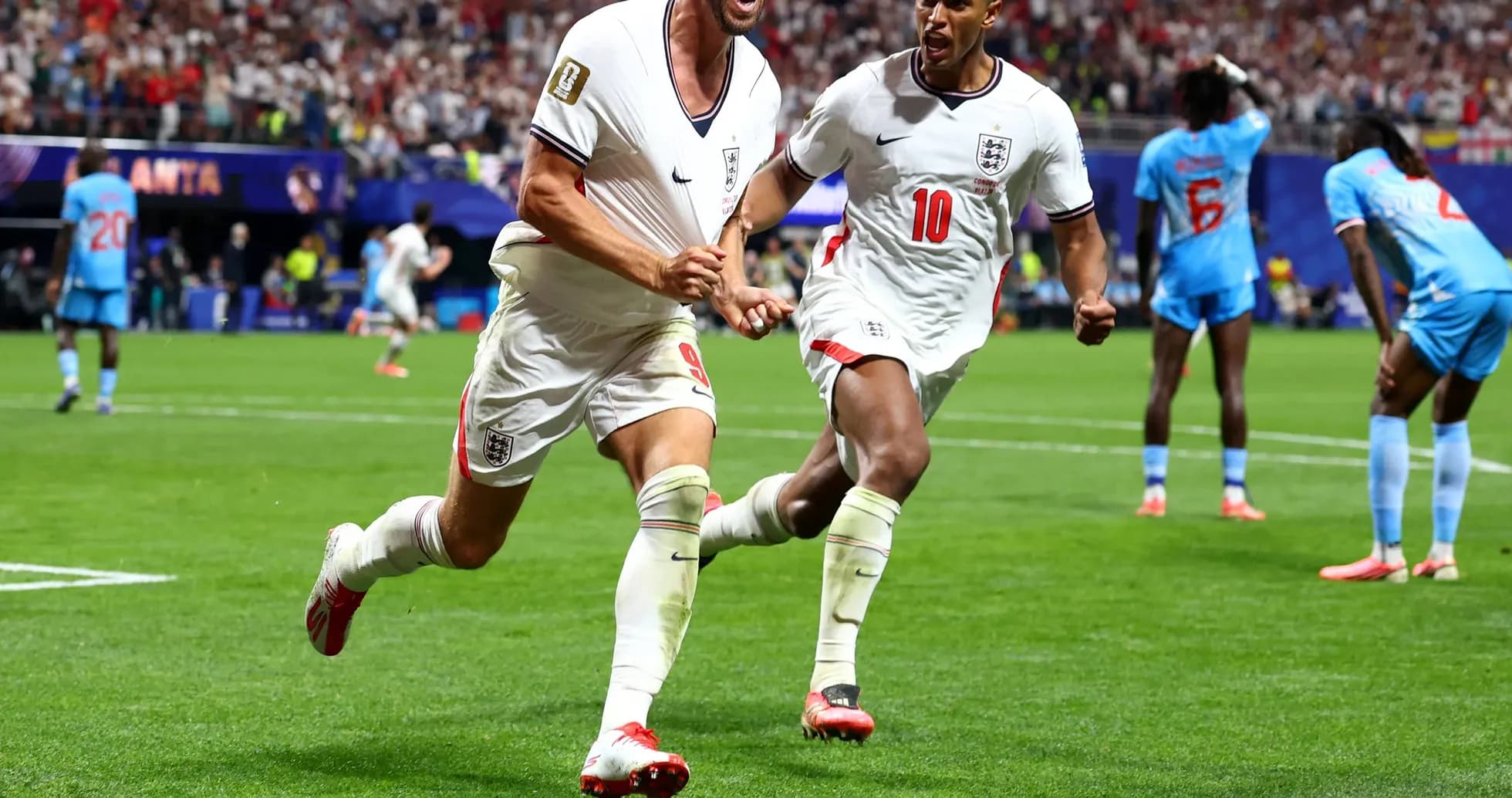
Tactically, the second half swung on England’s ability to sustain pressure without losing rest defence. Rashford and Madueke held wide positions to stretch Masuaku and Wan-Bissaka, while Bellingham repeatedly attacked the half-spaces just outside the box. Kane dropped off the front line, linking play and dragging Mbemba with him, creating the very pockets England needed. As Congo DR tired, their away defensive average—1.3 goals conceded per match—felt less like a statistic and more like an inevitability. England’s equaliser and eventual winner were the logical outcome of that territorial squeeze.
From a statistical prognosis standpoint, the result aligned almost perfectly with the underlying trends. England’s overall goal difference of +5 across the campaign reflects a side that typically wins matches by a margin of one or two goals, rather than blowing opponents away. Congo DR’s perfectly balanced 5 for and 5 against overall hinted that in a straight shootout of structure versus volatility, the team with the sturdier defensive platform would prevail.
Following this result, Tuchel can look at a squad whose core identity is now firmly imprinted: a 4-2-3-1 that protects its goalkeeper, leans on Rice’s control, Bellingham’s elasticity between lines, and Kane’s ruthless efficiency. Congo DR exit with credit, their switch to 4-3-3 and the performances of Wissa and Sadiki confirming they belong at this level. But over 90 minutes in Atlanta, the more complete system won out—England’s blend of statistical solidity and tactical clarity proving just enough to survive, advance, and keep their World Cup story alive.