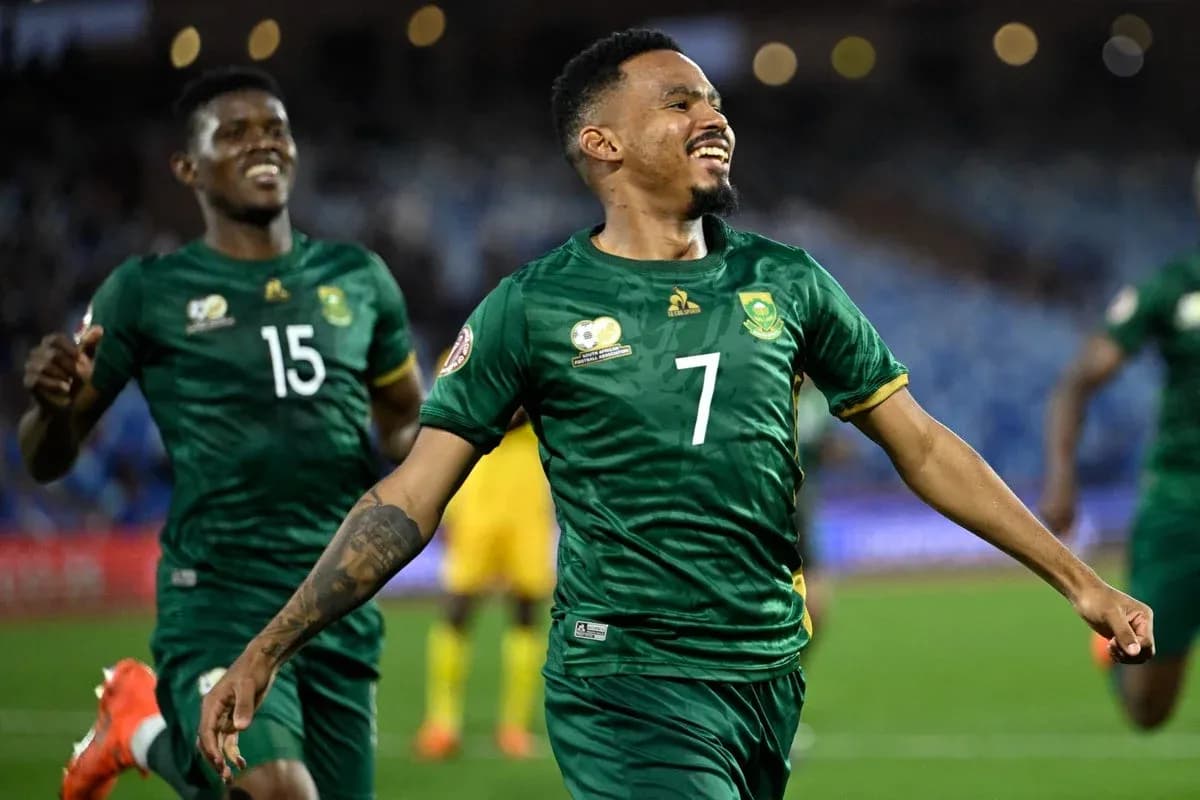
South Africa Cleared for Take-Off After World Cup Visa Chaos
South Africa’s return to the World Cup stage will begin a day late and under a cloud of embarrassment, after a visa mess forced the squad to delay their departure for the United States.
The team had been due to leave on Sunday, flying first to the US before heading on to Mexico for their Group A campaign. Instead, they remained grounded while officials scrambled to fix what the Sports Minister, Gayton McKenzie, bluntly labelled a “debacle”.
McKenzie, posting on X, called the situation an “embarrassing” administrative failure by team officials and demanded a full report from the South African Football Association (SAFA). The tone was unforgiving, and it echoed the frustration of a country that has waited 14 years to see its team back on football’s biggest stage.
By Monday, SAFA confirmed that all players had finally secured their travel visas, allowing the squad to board a rescheduled charter flight from Johannesburg. The football side of the operation, at least, can now move.
The backroom picture is less tidy. Four key staff members – an assistant coach, the team doctor, the head of security, and an analyst – are still waiting for their documents to be approved. SAFA expressed hope that their visas would be finalised in time for them to join the same charter later in the day, but the uncertainty lingers over a group that should already be settling into tournament mode.
The association held an emergency meeting on Sunday night as the scale of the problem became clear. On Monday, it issued an apology for the disruption and publicly acknowledged the role of the South African Foreign Ministry and the US Consulate in Johannesburg in helping to untangle the paperwork.
It is not the first time this World Cup campaign has raised questions about South Africa’s off-field management. During qualifying, midfielder Teboho Mokoena featured against Lesotho despite being suspended. South Africa were stripped of that victory, a self-inflicted wound that might have proved fatal in a tighter group.
They survived it. They topped their qualifying group and booked a place at the World Cup for the first time since hosting the tournament in 2010. The football has often been resilient; the administration less so.
Upcoming Matches
Now comes the real test.
South Africa open their Group A campaign against co-hosts Mexico on 11 June in Mexico City, a fixture heavy with history. It is a rerun of the opening match of the 2010 World Cup at Soccer City, when Siphiwe Tshabalala’s thunderous strike lit up Johannesburg before Mexico hit back to draw 1-1. That night became a defining memory of the country’s footballing story.
Back then, the emotional surge of the opener could not carry Bafana Bafana into the knockouts. A 3-0 defeat to Uruguay followed, and although they stunned France 2-1 in their final group game, it was not enough. They finished third behind Uruguay and Mexico and exited at the first hurdle, the first host nation ever to fall in the group stage.
This time, the route is different but the stakes feel similar. After Mexico in Mexico City, South Africa face the Czech Republic in Atlanta, then South Korea in Monterrey. It is a demanding schedule in both football and logistics, which makes the early administrative stumble all the more jarring.
The players, though, finally have a plane to catch and a tournament to chase. Fourteen years after the vuvuzelas fell silent, South Africa are back on the World Cup stage. The question now is whether the football can rise above the noise that keeps coming from the boardroom.