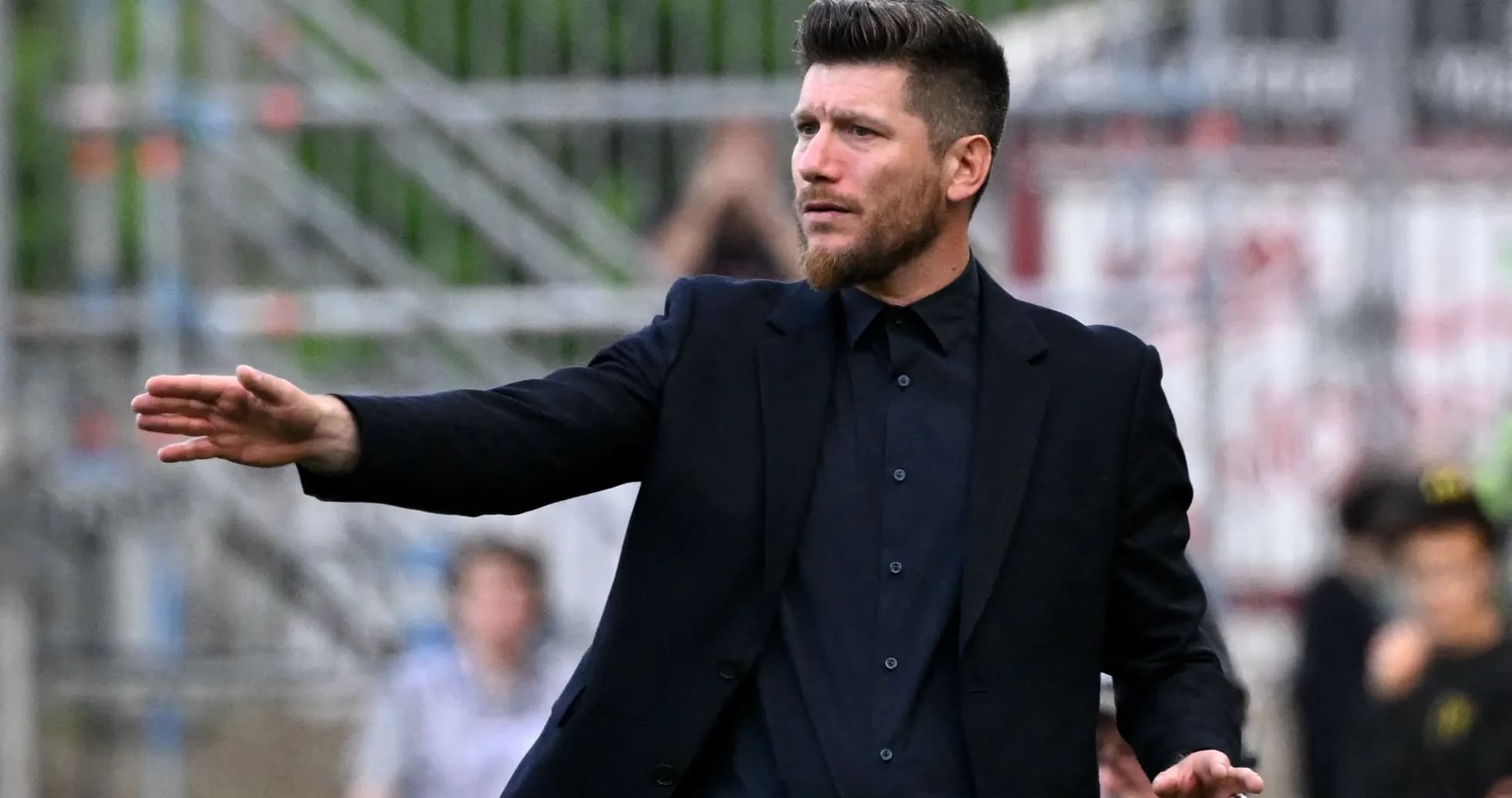
Scotland Appoints Sébastien Pocognoli as New Head Coach
The Clarke chapter is over. After another bruising World Cup group-stage exit in the summer, Scotland’s search for a new direction has led them to a bold, unmistakably modern choice.
According to Sky Sports, the Scottish FA have zeroed in on former Premier League defender Sébastien Pocognoli as the man to take the national team forward. At 39, he is the clear frontrunner for the vacant post and has been identified as the governing body’s primary target to jolt the squad into a new cycle.
This is not a cautious appointment. It is a pivot.
A younger face, a sharper edge
By moving for Pocognoli, the SFA are deliberately stepping away from the traditional profile that has dominated the role. They want a younger coach, a modern tactical thinker, and someone who can connect with a squad that has grown used to detailed, system-based football at club level.
The timing helps. Pocognoli is currently a free agent, which removes the usual wrangling over compensation and negotiations with club boards. For an association keen to move quickly and give the new manager time before the next qualification cycle, his availability is a major advantage.
What he lacks in age, he makes up for in impact.
The coach who woke a sleeping giant
Pocognoli’s reputation in the dugout was forged in his homeland. In Belgium, he engineered one of the most remarkable domestic stories of recent years, guiding Union Saint-Gilloise to their first league title in 90 years last season.
That triumph did not just decorate his CV. It showcased his ability to build a cohesive, resilient side, capable of sustaining results over a long campaign against clubs with deeper pockets and bigger squads. It turned heads across Europe and pushed him firmly into the conversation for bigger jobs.
His reward was a move to Ligue 1 and the pressure cooker of Monaco last October. The stay on the Riviera was brief, ending this summer after a seventh-place finish, but the experience of managing one of France’s most demanding clubs has been viewed in Glasgow as a positive, not a blemish. He has dealt with high expectations, handled talented, high-profile players, and operated inside an elite European environment.
The SFA believe that kind of exposure is exactly what Scotland need as they try to become regulars at major tournaments rather than hopeful guests.
A familiar face to British fans
For followers of the British game, Pocognoli is not an unknown foreign theorist parachuted in from afar. His name will ring a bell.
As a player, he spent time in the Premier League and the Championship with West Bromwich Albion, learning first-hand the physical intensity and relentless scrutiny of English football. He also had a loan spell at Brighton & Hove Albion a decade ago, adding another layer of familiarity with the British football landscape.
That background matters. It gives him a feel for the tempo, the culture, and the demands that will greet him in Scotland. Combine that with his recent tactical work on the continent and you get a coach who bridges two worlds: local understanding and modern European methods.
Across his playing career, Pocognoli amassed more than 300 domestic appearances and earned 13 caps for Belgium. He has seen the international game from the inside. Now he is on the verge of stepping into its most exposed position.
A historic appointment, a clear mandate
If, as expected, he takes the job, Pocognoli will make a little bit of Scottish football history. He is set to become the country’s first foreign head coach since Berti Vogts held the post between 2002 and 2004.
With that comes a clear, uncompromising brief from Hampden: usher in a new era, restore momentum, and turn Scotland into a side that qualifies, and qualifies again.
The targets are already mapped out. First, a place at the 2028 European Championship. Then, a push for the 2030 World Cup.
The Clarke era gave Scotland a taste of the big stage. Pocognoli’s task is harsher and simpler: make that taste a habit.