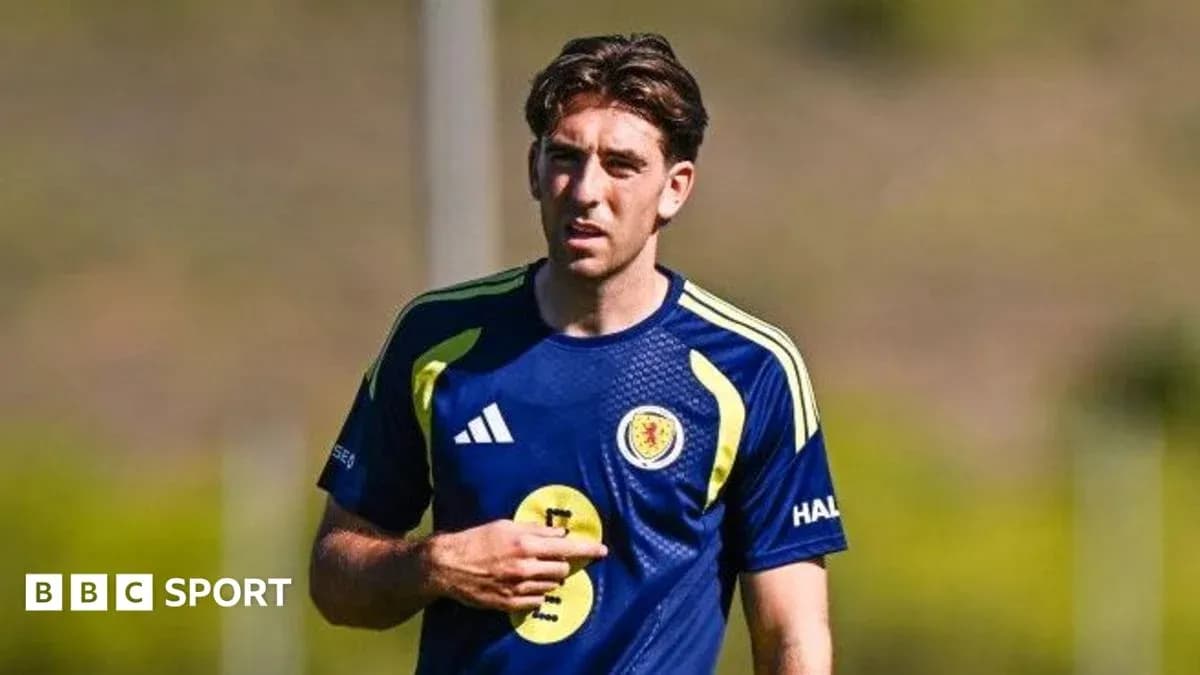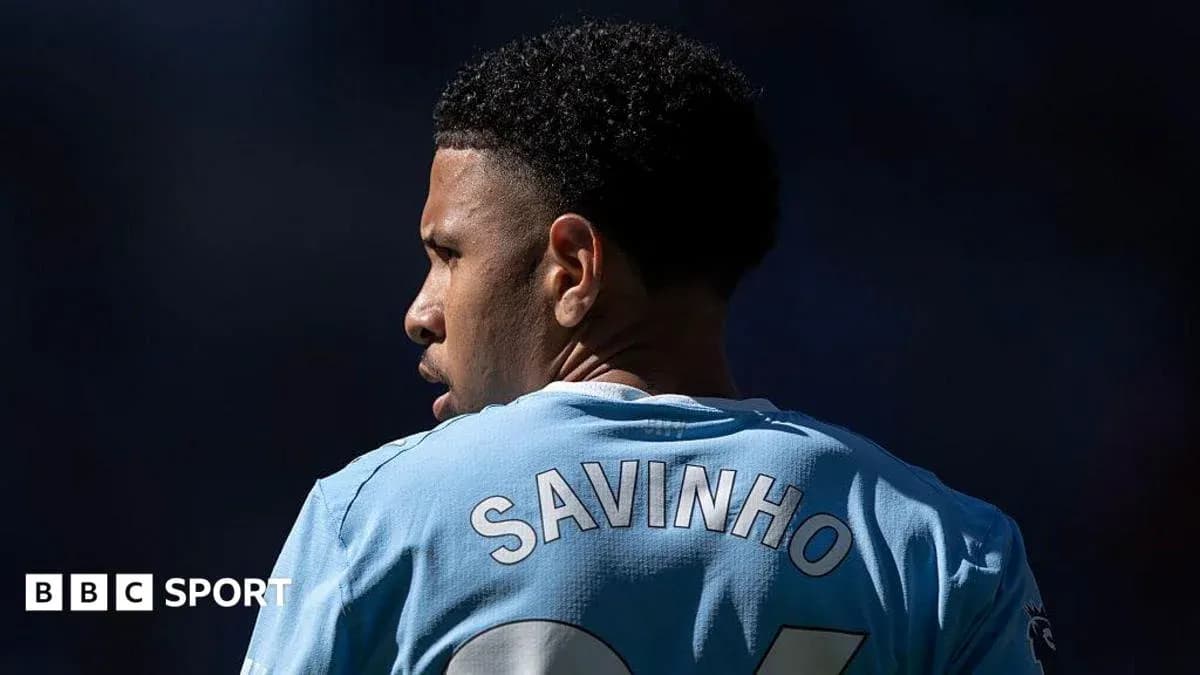
Savinho's Transfer: A Major Statement for City Football Group
For City Football Group, Savinho’s looming move to Tottenham is more than another big sale. It is a statement.
The £75m fee, with a further £10m in add-ons, represents a record outgoing transfer for Manchester City, the flagship of CFG’s global network. A player who arrived in Europe as a teenager, bounced around their stable of clubs and never kicked a ball for his original European employers, is about to leave as one of the most lucrative pieces of business in the group’s history.
From Troyes ghost to La Liga star
Savinho’s journey under CFG has never been straightforward. In 2022, Troyes broke their transfer record to sign him from Atletico Mineiro. He never played a minute for the French side.
At 18, he was immediately moved on loan to PSV for the 2022-23 season. The real breakthrough came a year later at Girona, another CFG club, where he turned raw potential into hard numbers and decisive performances.
In La Liga last season he featured in 37 league games, driving Girona to a historic first-ever Champions League qualification. Nine goals, eight assists, constant menace from wide areas – enough to earn him a place in the La Liga team of the year and to push his name firmly into the European conversation.
That form forced City’s hand. In 2024, they bought him from Troyes for £30.8m, a deal that raised eyebrows. Was that an internal valuation or a true reflection of the market? The question lingered.
A mixed Manchester spell, a huge financial win
On the pitch in England, Savinho did not dominate. Across two Premier League seasons he scored only twice, though he produced 12 assists and 16 goal contributions in all competitions during his first campaign under Pep Guardiola. His eight Premier League assists that season were the most of any City player.
Nobody at City will pretend he was a transformative force in Manchester. But as an asset, he has been gold.
Turn an 18-year-old South American into a £75m sale within four years and City will argue that is sporting and financial success rolled into one. The wider industry will focus on the numbers: a potential near-£70m profit for CFG if all Tottenham’s bonuses are triggered.
Brian Marwood, CFG’s managing director of global football, sees Savinho as proof of concept.
"It's a success story for the group," he told BBC Sport. "The idea is always 'can we get them to the pinnacle in our group', which is Manchester City. There might be some along the way that might be good assets for the group.
"And Savinho has clearly been a fantastic asset - because not only has he played for Manchester City but now he is leaving for a considerable amount of money."
Girona’s loss, City’s leverage, Spurs’ gamble
Girona wanted to keep him. They had just broken through to the Champions League and saw Savinho as a cornerstone for another year.
"Our intention from the moment that we reached the Champions League was to try to get him to stay for another year," said Girona’s director of football Quique Carcel.
City, though, had other plans. Guardiola and director of football Txiki Begiristain weighed up two options: another year of development in Catalonia, this time in the Champions League, or a full integration into City’s first-team squad.
"But as soon as there was an interest from Pep and Txiki in him being a player that would be able to play in the [City] first team squad, then of course the player didn't have any doubts," Carcel said.
That interest has now turned into something else entirely: a windfall. Tottenham have paid a price that many inside the game view as aggressive for a player still building his Premier League résumé. The debate over whether Spurs have overpaid will not be settled in a boardroom. It will be decided on the pitch in north London.
CFG, watching from a distance, will see this as validation of their model.
"We have created a pathway for the boy but credit to him because he is playing in one of the best leagues in the world," Marwood said.
A machine built on trading
This is not a one-off. Player trading has become central to how modern clubs fund themselves, and City have turned it into an art form.
As a standalone club, Manchester City have quietly built a second business: selling young talent. Morgan Rogers, Douglas Luiz, Cole Palmer, Liam Delap, Oscar Bobb – all developed in the City system, all moved on to rival Premier League sides or beyond, bringing in serious money.
Over the past five years alone, City have recouped more than £250m from selling young players. That figure sits alongside trophies in the board’s assessment of success.
"To find a balance between recruiting players for sporting success and ones that could become more of an asset in the future is difficult," Marwood said. The hit rate does not have to be perfect. It just has to be high enough.
He namechecks Oleksandr Zinchenko, Taty Castellanos and Jack Harrison as examples of players who arrived as prospects and turned into significant careers – and, often, tidy profits.
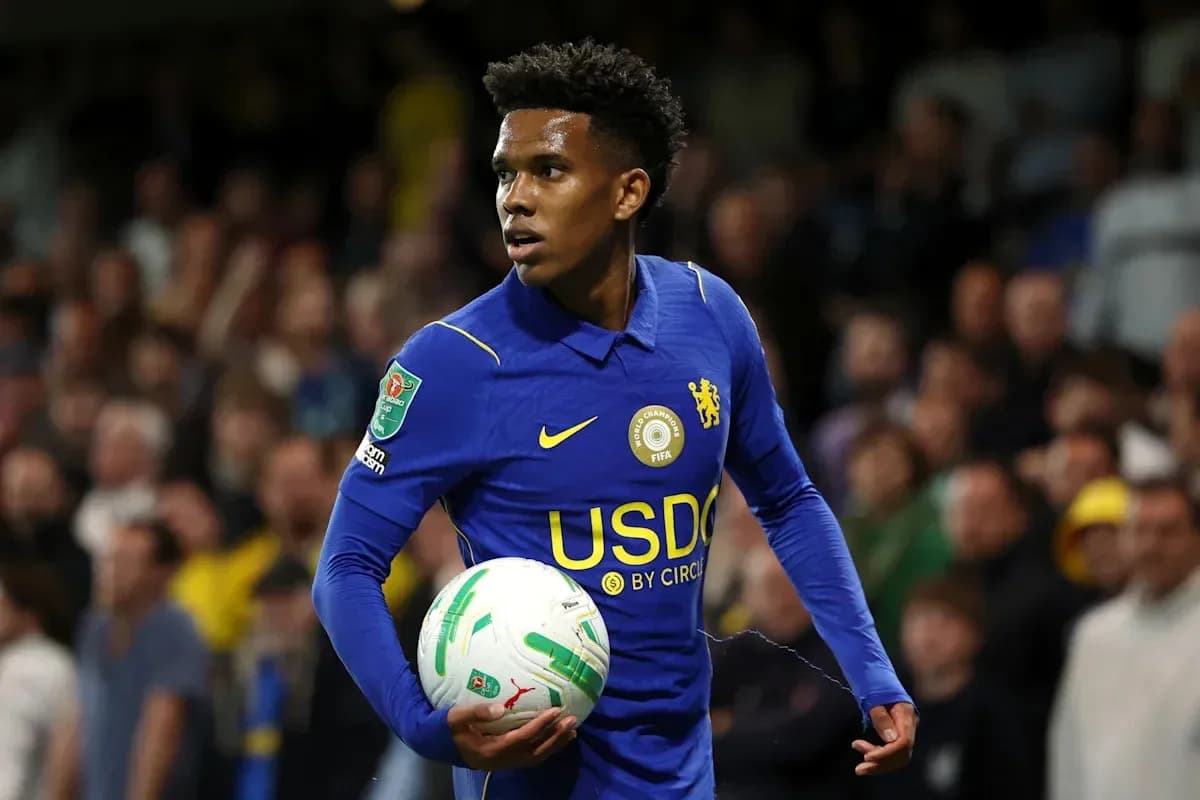
Some slip through the net. Some are sold too soon. Rogers is a painful example: offloaded to Middlesbrough in February 2024 for an initial £8m, then moved to Chelsea last month for £117m. Palmer, sold to Chelsea for £40m in 2023, would command a similar fee again if he left Stamford Bridge now.
That is the risk baked into City’s model. They will not get every call right. They do not need to.
The next wave already forming
Savinho’s departure does not close a chapter. It sharpens the focus on who comes next.
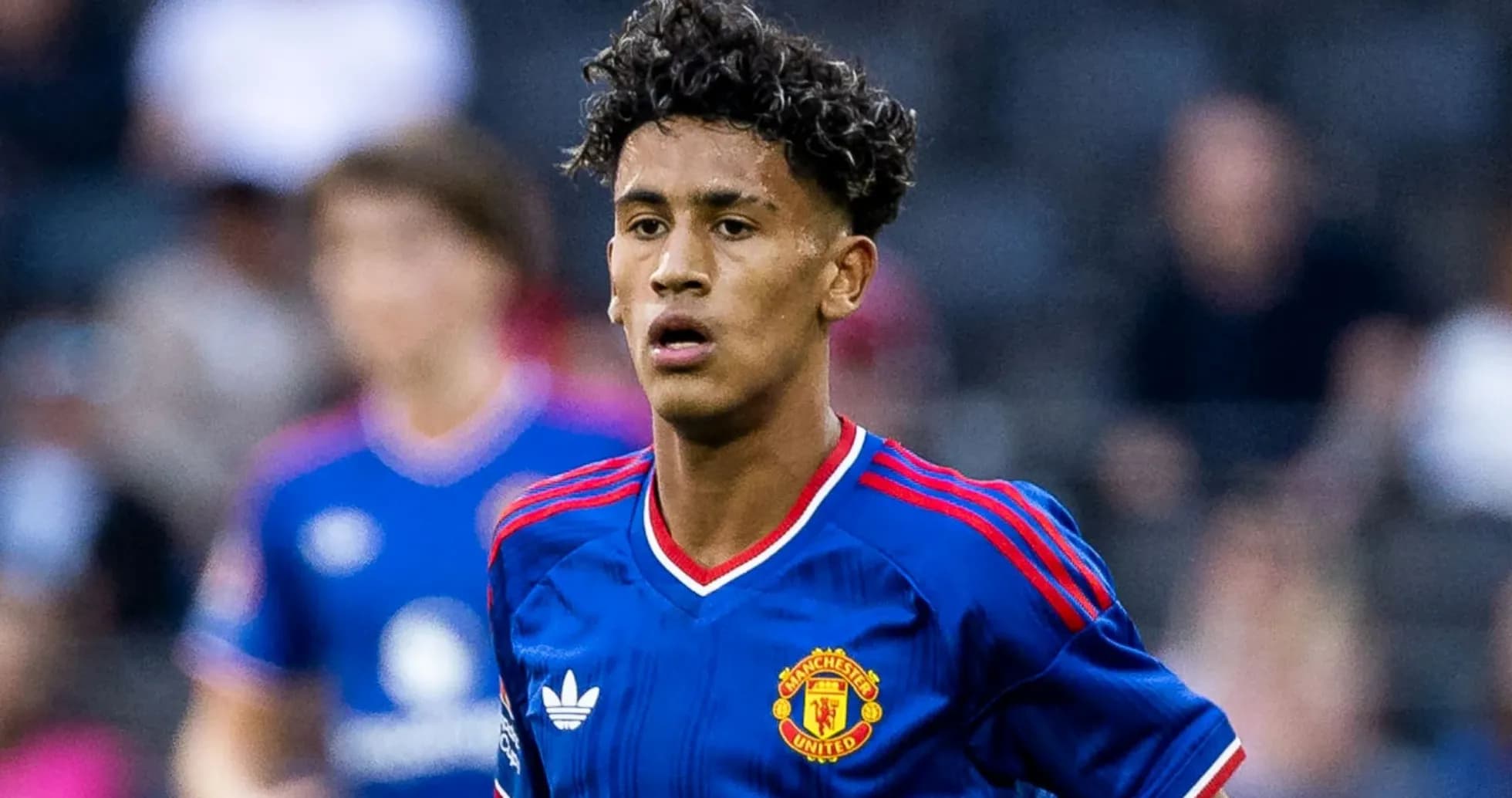
Inside City and across CFG, attention has already shifted. Ryan McAidoo, an 18-year-old who has already made his senior debut for City, is seen as one of the next in line. So is Japan’s Shin Miidera, a 16-year-old attacker at partner club Yokohama F. Marinos.
Then there is Cavan Sullivan, the 16-year-old American midfielder currently at Philadelphia Union. His path is already mapped: he will join Manchester City when he turns 18.
Vitor Reiss, who spent last season on loan at Girona from City, is another tipped to make the grade.
"In an ideal world you would love for them to stay with you from the beginning right through to the very end - but the reality is it's probably not going to happen," Marwood admitted.
"The challenge is can we produce the next one? OK - Savinho's gone - but where is the next one? That's the fascination of this business, you have to look three and four years ahead."
CFG’s network of 12 clubs gives them reach, minutes and markets. They see it as a conveyor belt, a constantly moving line of prospects being tested, loaned, promoted or sold.
"It's important we grow this hub of young talent and hopefully find them pathways and produce a conveyor belt of talent and use our network of clubs to aid their development," Marwood said.
The true measure of that strategy will not just be the trophies lifted at the Etihad or the Champions League nights in Girona. It will be the balance sheets, the record sales, the next Savinho – and whether Tottenham’s £75m bet turns out to be the deal that proves just how powerful, or how fragile, this entire model really is.