Cristiano Ronaldo's Quest for 1,000 Goals in Saudi Pro League
Cristiano Ronaldo is still here. Mohamed Salah is not.
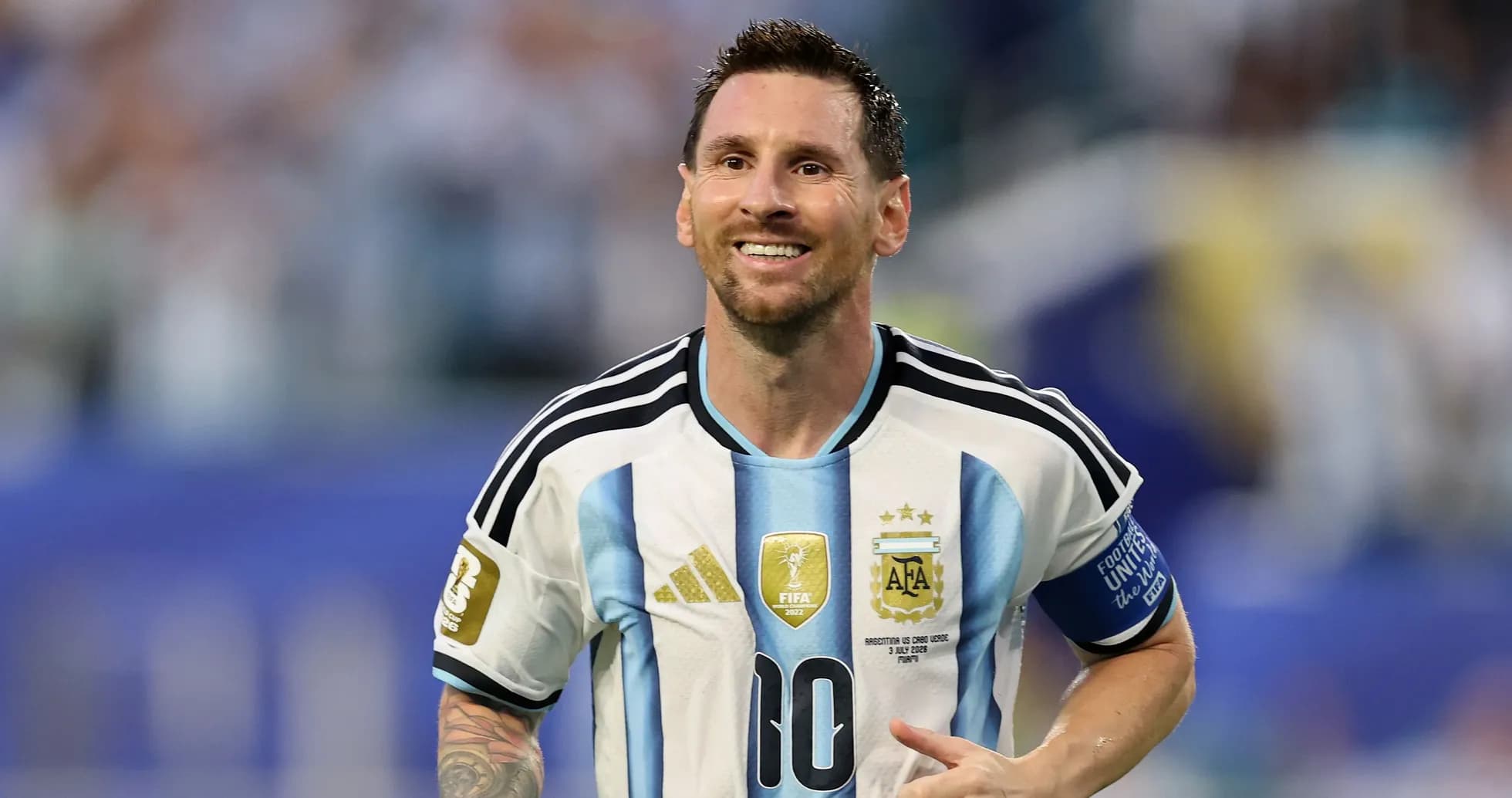
The new Saudi Pro League season kicks off on Thursday without the Liverpool icon many expected to head for the Red Sea, but with a 41-year-old chasing a number that barely seems real. Ronaldo is 24 goals short of 1,000 in his career. He has already hit 102 in 107 league games for Al-Nassr. On current form, that landmark does not just feel possible this season – it feels inevitable.
What that means for the league, though, is a harder question.
From shopping spree to soul‑searching
This is year four of the great Saudi splurge. Around $957m (£710m) went out the door in that wild summer of 2023, a spending wave that bought global headlines, international TV deals and a flood of yellow CR7 shirts from Riyadh to Rio.
The novelty has faded. The bill has not.
Now the conversation inside the kingdom is less about who arrives next and more about what all this has actually built. The aim has shifted: from spectacle to substance, from star-chasing to raising the level of Saudi football itself.
The national team’s early exit at the World Cup sharpened that debate. On paper, it did not look disastrous – draws with Uruguay and an impressive Cape Verde, plus a single defeat to eventual champions Spain. The bigger concern lay underneath: had all this investment in the domestic league actually produced better Saudi players?
So far, the answer looks uncomfortable.
The league is not yet a talent pipeline to Europe or anywhere else. Of the 26-man World Cup squad, only right-back Saud Abdulhamid, now at Lens, plays abroad. Everyone else stayed home. Many of them do not play enough.
Foreign stars dominate the key roles – creators, goalscorers, goalkeepers – and squeeze locals to the fringes. Saudi clubs have clearly improved in Asian competition, where they now impose themselves with deeper squads and bigger names. The national team, however, has yet to feel the bounce.
Salah stays away, the strategy shifts
Within that context, the Salah saga faded. For months, the assumption was that the biggest name in Arab football would eventually choose Saudi Arabia over a move to Trabzonspor. The draw was obvious, even at 34. Commercially, Salah would have been a dream signing.
Yet the appetite to go all-in for him cooled. Part of that is strategic. The preferred model now is younger, sellable assets who can return to Europe for a fee, not icons in their mid-30s whose value drops the moment they land.
That is where the biggest move of the summer fits in.
Summerville, Hilal and a title to reclaim
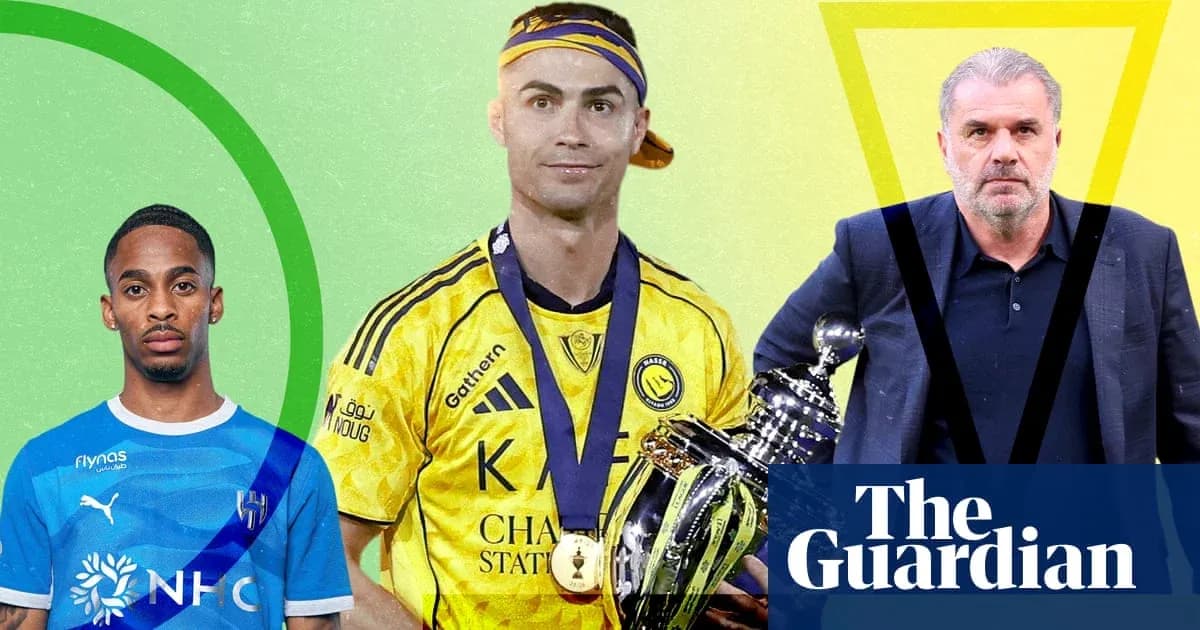
Crysencio Summerville is the headline arrival. The 24-year-old Dutch winger has joined Al-Hilal for around €80m (£68m), a statement fee for a player still climbing towards his peak. The plan is clear: Riyadh as a stage, Europe as a future payday.
Summerville has already been accused of choosing money over ambition. Those who know Hilal’s history will laugh at that. This is a club built on domination: 19 league titles, four Asian crowns, and a culture where coming second is a failure – even when you go unbeaten, as they did last season.
The Blues, sold by the Public Investment Fund in April, still boast a cast that would not look out of place in a Champions League knockout tie: Karim Benzema, Rúben Neves, Theo Hernández, Yassine Bounou, Kalidou Koulibaly and more. Simone Inzaghi walks into a dressing room stacked with pedigree and pressure.
His brief is brutally simple: take the title back from the yellow half of Riyadh.
Ronaldo, Postecoglou and the weight of expectation
Ronaldo and Al-Nassr prised that trophy away in May. The triumph triggered change. Jorge Jesus departed soon after to take the Portugal job, leaving another high-profile vacancy in Riyadh. Al-Nassr turned to Ange Postecoglou.
The former Tottenham manager inherits a forward line loaded with star quality: Sadio Mané, Kingsley Coman and João Félix all at his disposal. On paper, it is a dream. On the balance sheet, less so. Financial constraints have restricted new arrivals so far, even as rivals continue to refresh.
Domestically, defending the title is non-negotiable. Continentally, the demand is clear: a first Asian Champions League crown. For a club of Al-Nassr’s size, lifting that trophy alongside Ronaldo’s personal chase for 1,000 goals would define an era.
Al-Ahli rocked, Al-Ittihad reset
Across in Jeddah, Al-Ahli should have been the picture of stability. Back-to-back Asian titles, the latest secured in April, had set them up to attack the league and chase only their second SPL crown since 1984.
Then, just days before the new season, the floor moved.
Head coach Matthias Jaissle left for Newcastle. The Greens and the Magpies may both sit under the PIF umbrella, but that did little to soften the blow in Jeddah. The timing stung. The optics did too.
Marino Pusic, previously Arne Slot’s assistant, has come in. It is not a name that sends shockwaves through the league. Jaissle’s exit also jolted Al-Ahli’s fiercest rivals.
Al-Ittihad, who laboured last season, had just made their own bold move: appointing 38-year-old German Jens Wissing, another coach whose playing career ended early and who, like Jaissle, carries RB Salzburg on his CV. One German prodigy leaving, another arriving across town. Wissing faces a huge rebuild and an impatient fanbase.
Rodgers, Qadsiah and the rise of a ‘big five’
Lurking behind the traditional heavyweights, Al-Qadsiah complete the group of genuine contenders. Backed by Aramco and led by Brendan Rodgers, they finished fourth last season. That alone turned heads. Now the bar has been raised.
If Rodgers can push them higher again and deliver a first trophy since 1984, Qadsiah’s status changes. The league, long framed around a handful of giants, starts to look like it has a true “big five”.
That would be good for competition. The next step is making it good for Saudi players.
Because beneath the noise around Ronaldo’s records, Summerville’s fee and Salah’s absence lies the central tension of this project: can a league built on imported stardust also become a factory for local talent?
This season will not answer that outright. But it will show whether coaches under pressure to win now are willing – or even able – to hand more minutes and responsibility to Saudis instead of chasing the next marquee name in his mid-30s.
If they do, the league might finally start to look like the long-term football power its money suggests. If they do not, Ronaldo’s march to 1,000 will be unforgettable – and still only half the story.