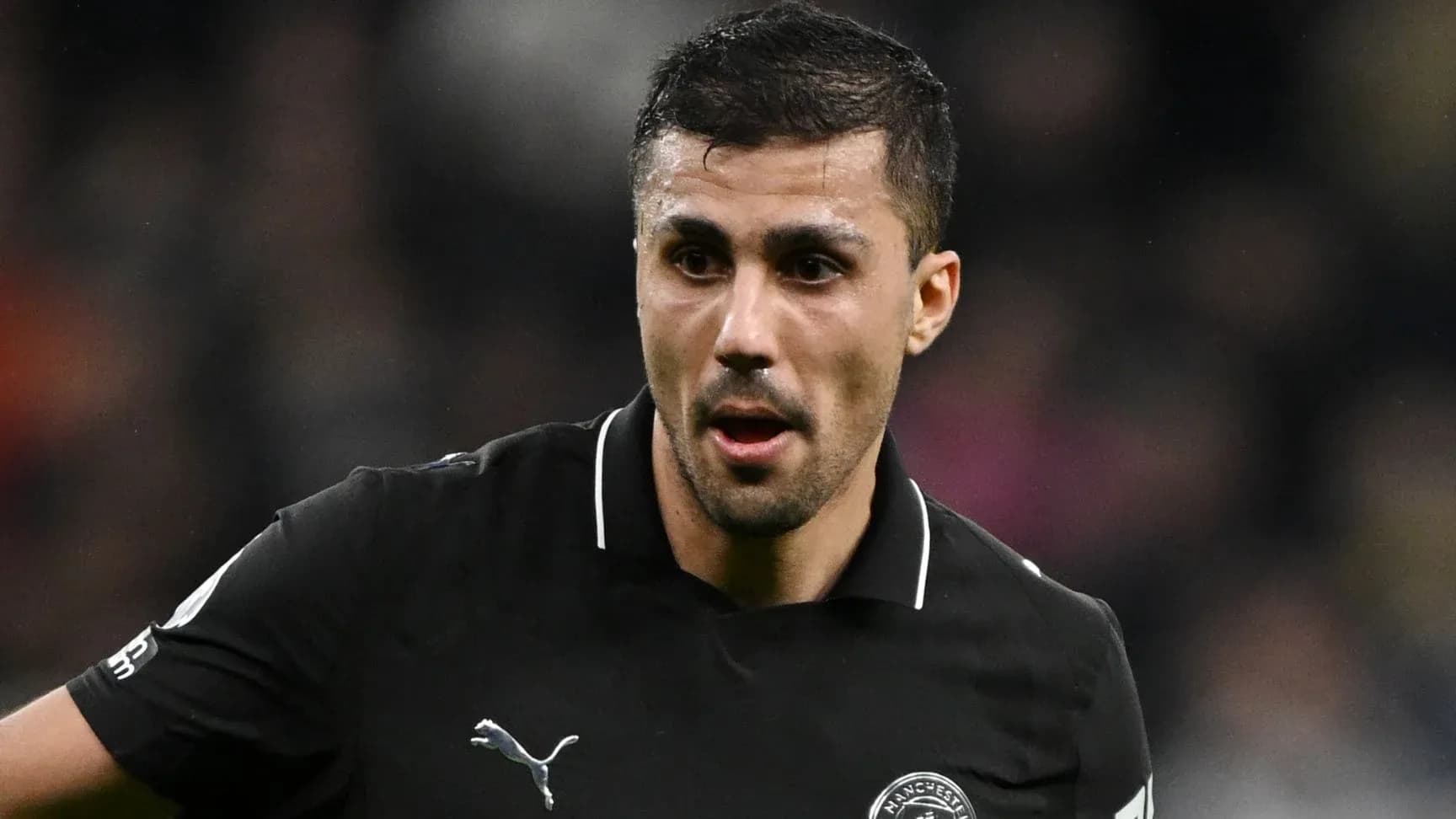
Rodri's Journey: From Real Madrid Dreams to Barcelona's New Era
Rodri once waited for Real Madrid. Really waited.
During his Atletico Madrid days, as reported by Marca, the midfielder held out until the final stretch of the summer window hoping for a call from the Bernabéu. It never came. With Toni Kroos, Luka Modric and Casemiro in place, Madrid saw no need to move. So Rodri triggered his release clause and walked into Pep Guardiola’s Manchester City project instead.
That decision changed everything. Under Guardiola, Rodri turned from promising pivot into the reference point of a generation, the metronome of City’s dominance and Spain’s rebirth.
Years later, the story came back around.
This summer, a large section of the Real Madrid fanbase wanted him. They saw the World Cup winner, the leader of Spain’s midfield, and imagined him in white. Inside the club, though, the enthusiasm did not initially match the noise outside. Marca report that the hierarchy at Valdebebas were not fully convinced.
Then came his extraordinary World Cup. Rodri dictated games, set a tournament record for completed passes in a single edition and finished with an accuracy above 93%. With his contract running into its final year and Guardiola gone from Manchester City, the situation shifted. Suddenly, the deal looked possible. The door was open.
But Madrid walked through it late. And not with total belief. Rodri felt that hesitation.
Inside the club, according to Marca, one line echoed in offices and meeting rooms: “Rodri slows the pace of the ball down too much, and that is not what we are looking for.” For a player who had just orchestrated Spain’s world title, it was a brutal verdict.
Madrid’s decision-makers wanted something else. More dynamism. More physical power. A different profile for their next midfield pillar, even if the numbers screamed in Rodri’s favour and his control of games had never been more obvious.
Florentino Pérez and José Ángel Sánchez did pick up the phone. They spoke to the player, explored the possibility, tested the ground. But the talks never reached the level of Madrid’s classic blockbuster operations. No final push, no all‑in gesture that has defined so many of their great signings.
Barcelona went the other way. They went all out.
Deco led the charge. President Joan Laporta joined in. Coach Hansi Flick called. So did several senior players. The message from the Catalan side was loud and relentless: Rodri was central to their future, not just another option on a long list.
Marca underline that money was not the deciding factor. The offers from Real Madrid and Barcelona sat in a similar range. This was not a bidding war won by the highest cheque.
Rodri chose the project.
Barcelona’s proposal mirrored what he already knew with Spain: a defined style, a clear identity, a structure that fit his strengths. He saw a team built around a recognisable idea of football, one that aligned with the way he had just conquered the world.
Madrid, in his eyes, looked different. Their squad remained elite, their badge still the most powerful in the sport, but the project itself felt less settled. Too many moving parts, too much transition for a 30-year-old who wanted certainty and continuity at the peak of his career.
Once he made up his mind, Rodri closed the Madrid chapter with elegance. As Marca tell it, he called José Ángel Sánchez to thank the club for their respect during the talks. No drama, no public shots fired. Just a clean goodbye to a path that, years earlier, he had hoped would open.
Then he waited.
Barcelona still had to deal with Manchester City, and City did not fold at the first request. It took five separate approaches before the English champions finally agreed to let their midfield anchor go.
By the time the agreement arrived, the choice had long been made. The player who once stayed at Atletico Madrid dreaming of Real now walks into the Camp Nou as the emblem of Barcelona’s new era.