Roberto De Zerbi on Tottenham's Transfer Strategy: Bergvall Stays, Sarr's Future Uncertain
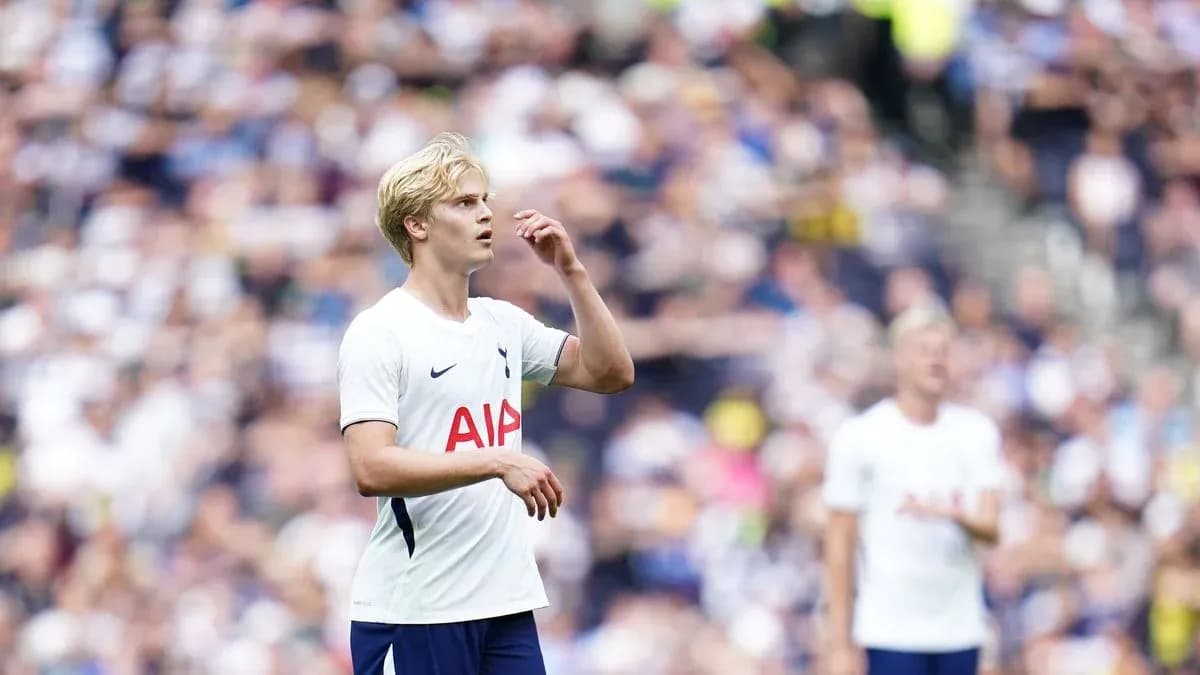
Roberto De Zerbi did not blink when the question came about Lucas Bergvall.
“Lucas Bergvall, 100 per cent [he is staying],” he said. No caveats, no wiggle room. Tottenham’s new manager has drawn a thick line through one name on the departure list.
The same certainty does not apply to Pape Matar Sarr.
Bergvall stays, Sarr waits
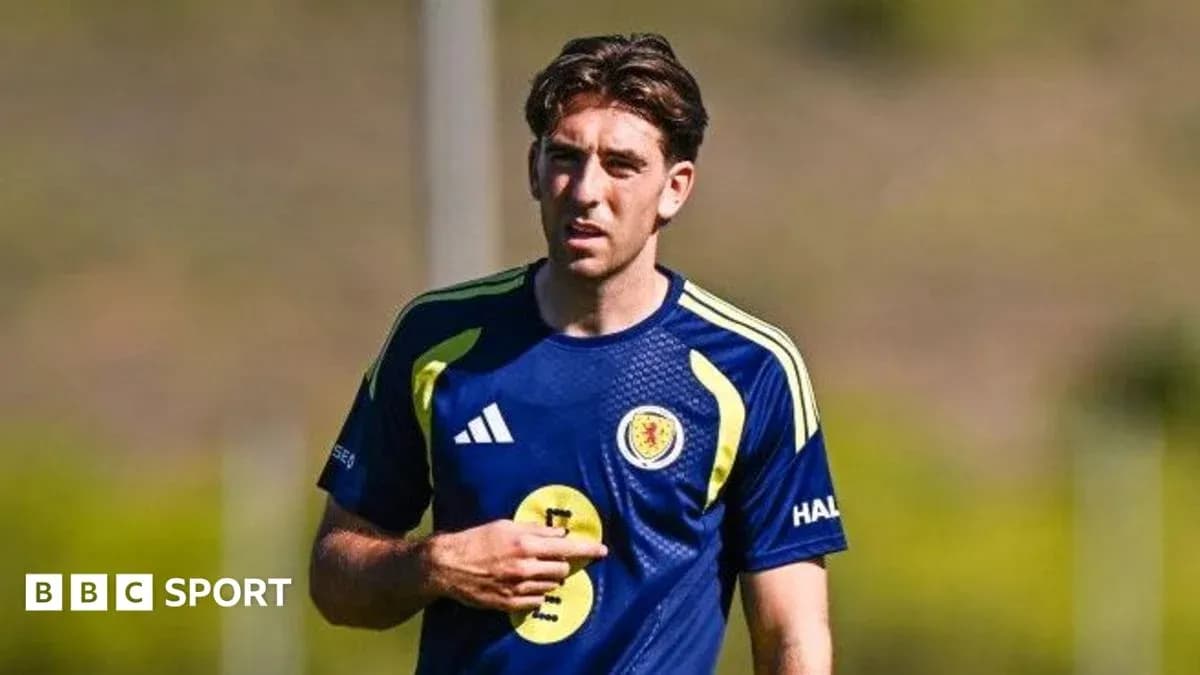
Bergvall had pushed for a new challenge earlier in the summer, before heading off to the World Cup. He wanted to grow into a true number eight, and Newcastle and Nottingham Forest both tested Tottenham’s resolve with bids for the 20-year-old.
Spurs said no. De Zerbi then backed that stance with minutes, starting Bergvall regularly in pre-season and trusting him in key roles. Somewhere in that spell, the mood shifted.
“I like that he stays but I think now he wants to stay and we have no problem,” De Zerbi explained, underlining just how central he sees the Swede to his midfield rebuild.
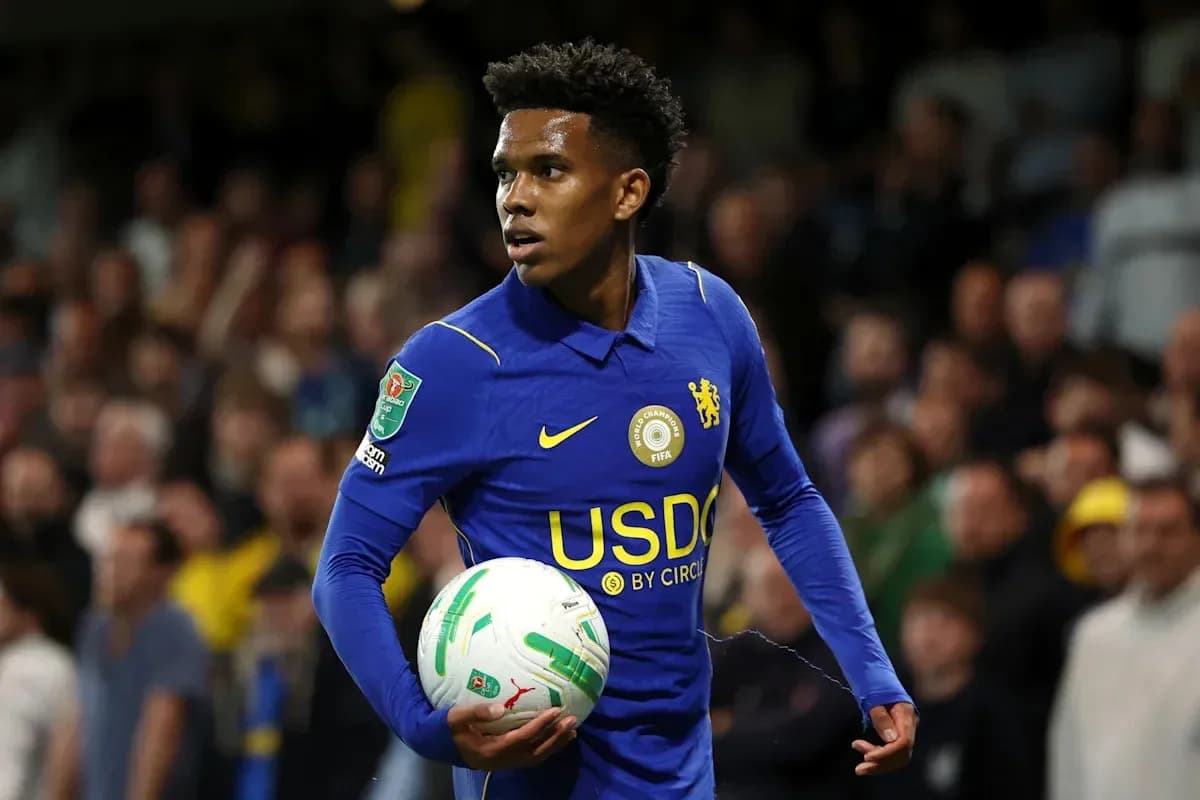
Sarr’s situation is far more delicate. The 23-year-old reported back late after staying in Senegal until the first week of August. In his absence, the club dropped £185million on Sandro Tonali and Mateus Fernandes.
“He’s a good player. I don’t know if he stays or not, we have to analyse the situation, but he is another very very important player,” De Zerbi said. Important, but not guaranteed. Not anymore.
A £377m statement and owners who “kept their word”
Tottenham’s owners, the Lewis family, promised “actions not words” after last season’s brush with relegation. They have gone heavy on the former.
With Manchester City attackers Savinho and Omar Marmoush expected to arrive, Spurs’ outlay this summer could hit £377million. De Zerbi, who walked into a club haunted by two seasons of survival football, has watched the board deliver exactly what he was told to expect.
“In my experience, they kept their word, they kept what they said before I came in March,” he said. “What we are doing is not for the coach. It’s for the club, for the fans, for the history of the club, for the pride of the club, and for the level of the club.”
He knows this is a hinge moment. Two years scraping by at the wrong end of the table has left scars. The mood needed surgery, not a sticking plaster.
“I think this moment is crucial for this club, because after two seasons like we had, we have to change the mood, completely change it, give it a boost.”
Once this window closes, De Zerbi expects a period of stability. A core, locked in.
“When we have finished in this transfer market, for a long time we don't need many things and we can work all together in the right condition, in the right direction, to build step by step something special, or to go to compete for the top of the table.”
He is not promising instant miracles. He is not ruling them out either.
“Not maybe now, or maybe yes, I don't know, but we have the squad to play in every stadium in the right way. Face to face, we know we have to improve. We have to become a team, but I think we also have all the qualities to do that.”
Big spend, bigger noise
The scale of Tottenham’s spending has set off the usual chorus from rival fans and pundits. The club points to its own revenue, a powerhouse stadium, and potential incoming funds of £213million from sales and loans this summer.
De Zerbi is unmoved by the noise.
“I don’t know why the people don’t love if Tottenham becomes better,” he said. “It’s one motivation more for us. Last season, all other clubs wanted to kill us. This is another part of football.”
He has turned that siege feeling into a weekly reminder.
“Every week we have to remember last season,” he added, recalling the suffocating tension of the survival decider against Everton and comparing it to the recent friendly with Hoffenheim. The contrast, he suggested, was stark enough to stay with his players.
On paper vs on grass
So how close is this squad to the one he imagined when he took the job?
“On paper it’s very close. On the pitch we have to see and we have to work. I am experienced enough not to say too much.”
He is content, for now.
“I’m very happy with the squad. We have to complete the squad but at the moment very happy. The answer I receive from the pitch has to be like my dreams and my thoughts with the board.”
Excitement crackles around the club, but De Zerbi keeps returning to one point: the pitch will have the final word.
“If we start now with big words, I love pressure, it’s not a problem of pressure, but if we are to be honest and correct, we have to wait for the answer from the pitch.”
He describes football as “like magic”, a web of connections and shared ideas.
“You can find sometimes the connection between players when every player thinks like the coach or we come together with an idea of football and the players who don’t start in the team are the biggest fans of the players who are playing. We have to create something on the pitch and off the pitch to compete like we want.”
Tonali, the £100m centrepiece
At the heart of that project sits Sandro Tonali, now a £100million club-record signing from Newcastle and the symbol of Tottenham’s new ambition.
De Zerbi knew Tonali long before this move, but working with him every day has still surprised him.
“Sandro Tonali is better than I thought before working with him, as a player and as a guy,” he said. “I’m very happy to work with him and I think he’s the right player in the right place. Especially because we want to put him inside of the project. He has the right qualities, the right personality, the right values, to stay in this place.”
Tonali is not just a signing. He is a reference point for the dressing room De Zerbi wants to build.
Brutal honesty and internal competition
There are 11 days left in the window. De Zerbi has no interest in sugar-coating the situation for those on the fringes.
“Nothing [to do]. I love speaking clearly,” he said. “Today is August 21st, I think every one of those players, they already know the squad. If one of them doesn’t want to accept the competition inside the pitch, inside the dressing room, they can leave.”
His message is blunt: this is the level now.
“If we want to become better, if we want to compete for the top of the table, 11 players are not enough, 15 players are not enough.”
He points to the elite for proof.
“If you analyse the teams - Liverpool two years ago, Arsenal, Chelsea, Manchester City, Bayern Munich, Barcelona, Real Madrid, Juventus, Milan, the squad there has a big competition inside the dressing room.”
Tottenham, he insists, must be no different.
Mikey Moore and the academy hope
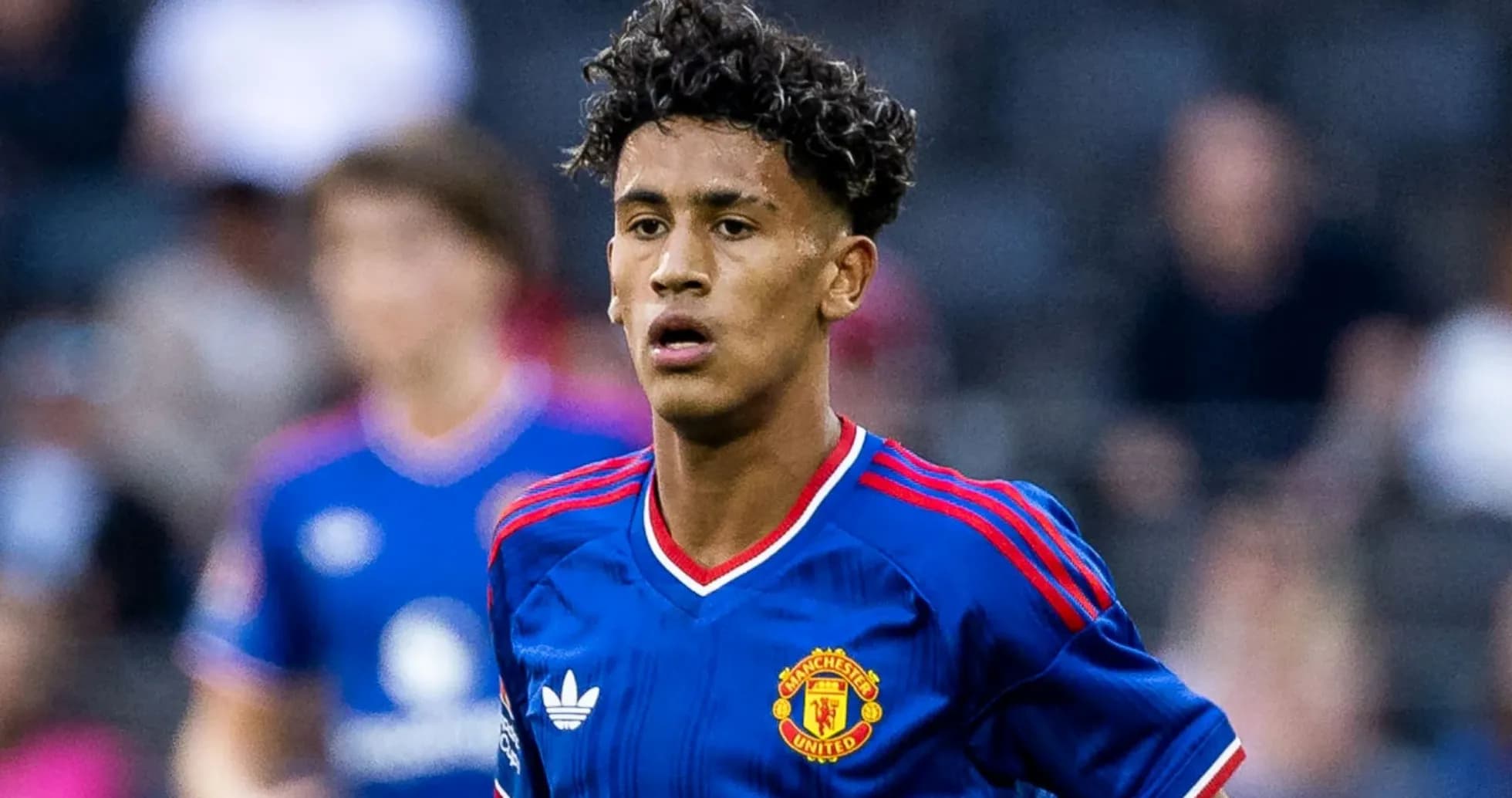
Amid the influx of big names, the path from academy to first team still matters. Mikey Moore, just 19, is expected to feature against Brentford in Saturday’s Premier League opener, even as a possible loan to Bundesliga side Koln hangs in the air.
“Now is not the right moment to speak about the last 10 days of transfer market,” De Zerbi said. “I’m very happy with Mikey Moore, he’s working well, he’s a good player, I don’t know if he goes or not on loan.”
He extended that praise to Luca Williams-Barnett and Malachi Hardy.
“Two potential big players. Proud that they come from our academy. We have to manage them the best way we can.”
The message is clear: the door is open, but standards will not drop for anyone, young or old.
Calling on the soul of Tottenham
De Zerbi has also reached back into the club’s history. He arranged for a group of former Tottenham greats — including Glenn Hoddle, Gary Mabbutt and Steve Perryman — to speak to his players and spell out what the badge really carries.
“The players and especially the foreign players, they have to understand the level of this club,” he said. “Even if we finish two seasons in a row in 17th position, nothing changes and the level of the club can’t change because in the last two seasons it was not great.”
“The legends, I think they can explain better than me or better than you what Tottenham has been [before] in the Premier League and in Europe.”
One name, though, was missing from that gathering. One that clearly still lights up De Zerbi’s imagination.
“I’m sorry I didn’t see Chris Waddle,” he admitted. “Chris Waddle was one of my favourite players when I was a kid and he played in Marseille. Waddle would have been good for Kudus, for Kulusevski, for Xavi Simons, for Mathys [Tel] because he was a great player.”
A manager with a childhood idol, a rebuilt squad, a club trying to remember what it is supposed to be. The money has been spent. The legends have spoken. Now the only question left is whether this Tottenham team can make the pitch speak back in the same language.