
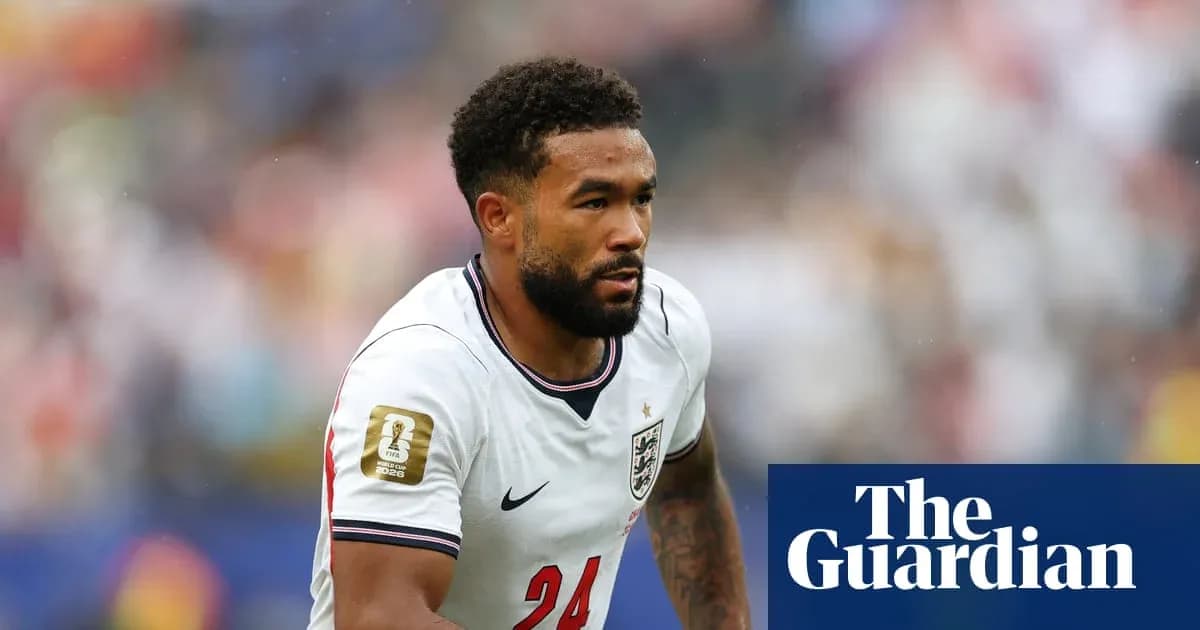
Reece James Out of England's Next Two World Cup Matches Due to Hamstring Issues
Reece James’s World Cup has been thrown into doubt again. England’s first-choice right-back will miss at least the next two matches after suffering fresh hamstring trouble, another jarring setback for a player whose tournament was always going to be a race against his own body.
The Chelsea captain reported tightness in his hamstring after England’s laboured 0-0 draw with Ghana in Boston on Tuesday. He completed the 90 minutes, as he had in the opener against Croatia, but the warning signs were there. By Friday, they were impossible to ignore.
James did not train with the squad in Kansas City before England flew to New York for their final group game against Panama on Saturday. He has been ruled out of that match and the last-32 tie that should follow. For a team planning to go deep into this World Cup, it is an early tactical and emotional blow.
This is not a new story with James. He damaged his hamstring playing for Chelsea against Newcastle on 14 March and spent nearly two months on the sidelines. Thomas Tuchel brought him to North America as his undisputed first-choice right-back, but also as a calculated risk. The plan was always to manage his minutes. The schedule has not been kind.
England hope to cram eight matches into 33 days if they go all the way. For a player with James’s history, that is a brutal ask. Tuchel still leaned heavily on him, starting him in both games so far and keeping him on for the full duration. The gamble has caught up with them.
The situation is made worse by what has happened around him. Tino Livramento had been earmarked as James’s understudy, a like-for-like replacement with energy, pace and a natural feel for the position. Then came another cruel twist: a calf injury in training on the eve of the tournament ruled the Newcastle defender out before a ball had been kicked.
Tuchel reshuffled. He called up Trevoh Chalobah, a Chelsea centre-half, and indicated that Jarell Quansah, another central defender by trade, could cover at right-back if needed. Ezri Konsa, also more at home in the middle, and Djed Spence complete a makeshift group of options on that flank.
None of them is James. None of them is a specialist in the role in the way Livramento is either. England now face the prospect of navigating the knockout rounds with a patched-up solution in a key position, in a tournament where full-backs so often define the rhythm and width of a team.
Hovering over all of this is the name that never really goes away: Trent Alexander-Arnold. Tuchel chose not to turn to the Real Madrid right-back, a decision that underlines a lack of trust that has lingered for some time. The England manager has only called Alexander-Arnold into one camp, in June last year, and has not shifted from that stance even as his options have thinned.
It leaves Tuchel exposed to scrutiny if England struggle down their right side in the coming days. He has built his defensive structure around James’s blend of power, recovery pace and delivery. Without him, and without a natural replacement he truly believes in, the tactical picture changes.
For now, the focus inside the camp is on rehabilitation and hope. James will sit out Panama and the last-32, working against the clock once more. England must work out how far they can go without the defender they had always planned to lean on.




