Real Madrid's Trophy Win and Midfield Concerns
Real Madrid flew home from the Teresa Herrera Cup with a shiny piece of silverware and a flat feeling. The win is in the books. The doubts are, too.
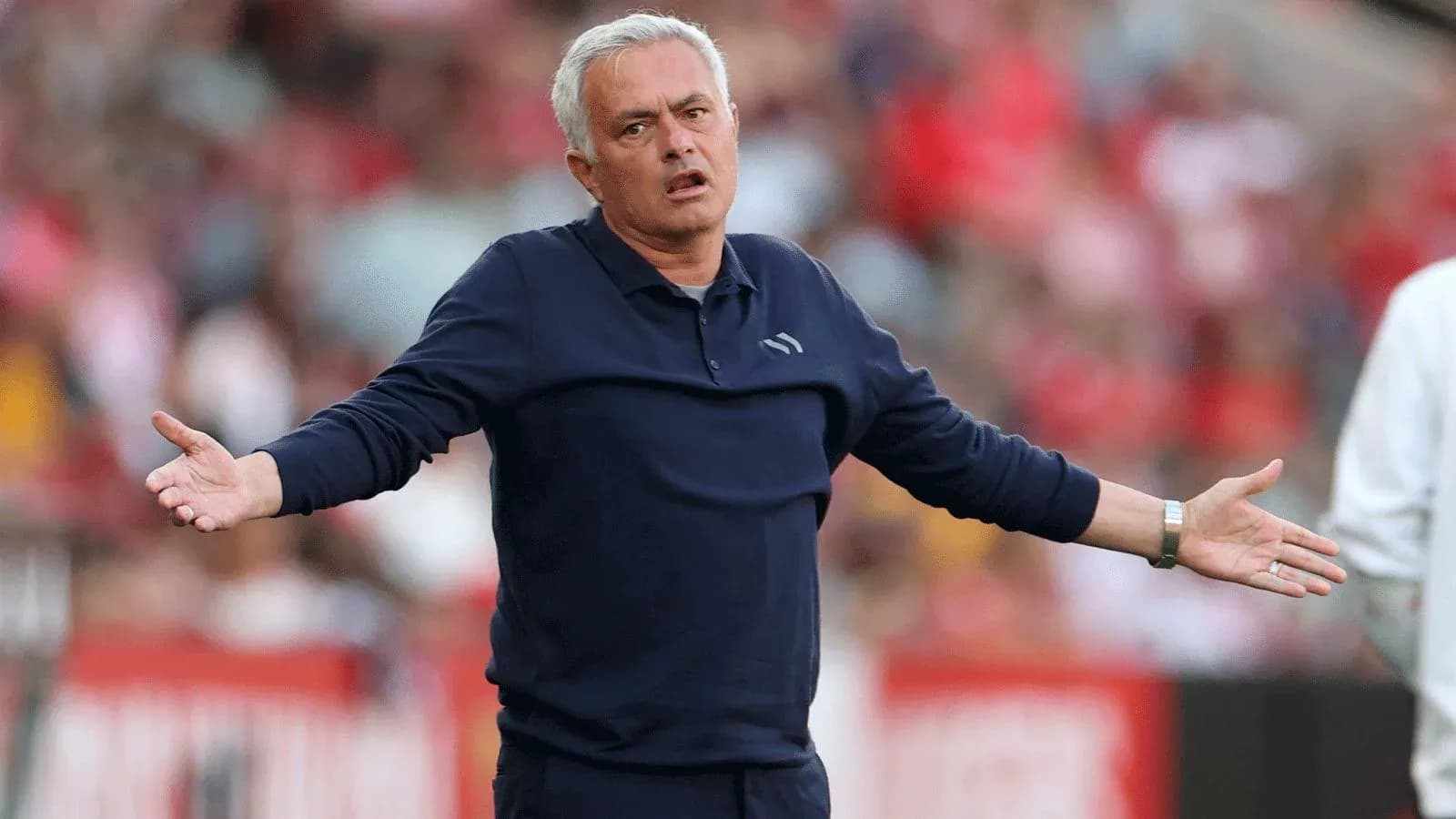
At Riazor, against Deportivo La Coruña, José Mourinho sent out a full-strength side in his second spell in charge. The result was acceptable; the performance, less so. The game only deepened a concern that has stalked Madrid’s entire pre-season: the hole in the heart of their midfield.
On SER Deportivos, journalists Antonio Romero and Tomás Roncero didn’t bother dressing it up. Friendly or not, August or not, they see a structural problem that will not vanish with the summer heat.
Romero did acknowledge the usual caveat. Pre-season is deceptive. Players are at “20 to 30%” of what they can be, he noted, and the rhythm of the side is still miles from what it will be in spring. But he drew a clear line.
“Real Madrid still feel they are missing a playmaker in midfield,” he said. The spine, as he sees it, is split in two: “They have a superb defensive team, and an almost unbeatable attacking force, but there is room for improvement in midfield.”
That gap has a name attached to it: Rodri Hernández. Or rather, the absence of him.
Roncero pushed hard on that point. For him, failing to land the Manchester City midfielder is not a minor transfer miss, it’s a strategic failure that must now be corrected.
“If you wanted to sign Rodri and you did not, that means you have to fill that void,” he warned. “If you do not end up signing him, you will feel this deficiency all season.” The message to the club hierarchy was blunt: stop pretending the issue is secondary.
So what now?
This is where Romero turned to what he called “the Mourinho method”. If any coach can construct a winning machine while skirting around an obvious midfield organiser, he argued, it is the Portuguese. Mourinho has built title-winning sides before by hardening the block, shortening the blanket and relying on structure, aggression and stars in both boxes.
But even that has limits. Romero pointed straight at the benchmark.
“There is no need to look far to see that Real Madrid’s most successful team in history included Casemiro, Kroos and Modrić,” he reminded listeners. That trio offered balance, brains and bite. The current version, for all its talent, still feels one conductor short of a complete orchestra.
One name, for Romero, could help rebalance the score: Bernardo Silva.
“Based on what I saw in La Coruña and what I have seen from him at City and his experience, I think Bernardo Silva would accept this sacrifice,” he said. The “sacrifice” is clear: a more disciplined, less glamorous role, grafting between the lines rather than living in the final third.
“He can be a soldier for Mourinho,” Romero added, sketching out a possible midfield with the Portuguese international tucked in alongside Aurélien Tchouaméni, offering support and guile. In flashes, Bernardo’s profile even stirred an echo for him: “He reminds me a little of Modrić.”
The comparison is about function, not legend, but it shows the kind of player profile Madrid’s analysts crave. A connector. A thinker. A player who can knit together the defensive steel and the attacking firepower Mourinho already has at his disposal.
Romero, tellingly, ruled out several internal options for that very specific brief. Eduardo Camavinga, Arda Güler, Jude Bellingham and Federico Valverde all bring quality, energy and goals, but in his eyes they do not quite fit the sacrificial, tempo-setting role he believes Mourinho needs.
Attention Turns to New Faces
While the debate raged over the engine room, attention also turned to the new faces in the squad.
Romero urged patience with Yan Diomande, a teenager thrust into a world where every touch is magnified. “Real Madrid,” he stressed, is a different universe from “playing five good minutes with Leganés.” The warning was clear: the shirt is heavy, the adaptation curve is steep, and the temptation to rush judgement must be resisted.
On the flanks, though, there is already a sense of anticipation.
If Diomande is the project, Cucurella is the immediate thrill. Romero closed with warm praise for the full-back, a player he believes will light up the Bernabéu touchline.
“Diomande attracts a lot of attention, but the player everyone is eager to see running down the wing at the Bernabéu is Cucurella,” he said. “He is the type of footballer you have to love.”
The comparison that followed will resonate with any Madrid fan of the last two decades. Since Marcelo and Roberto Carlos, Romero argued, there has been a lingering hope in the stands: the return of a truly “vertical” left-back, someone who can turn a simple overlap into a surge of electricity.
Madrid, then, leave La Coruña with a trophy, a crowd-pleasing full-back to dream about, and a teenager to nurture. But the same question hangs over the horizon.
Until someone truly replaces what Casemiro, Kroos and Modrić once gave them, how far can Mourinho’s “method” really carry this team?