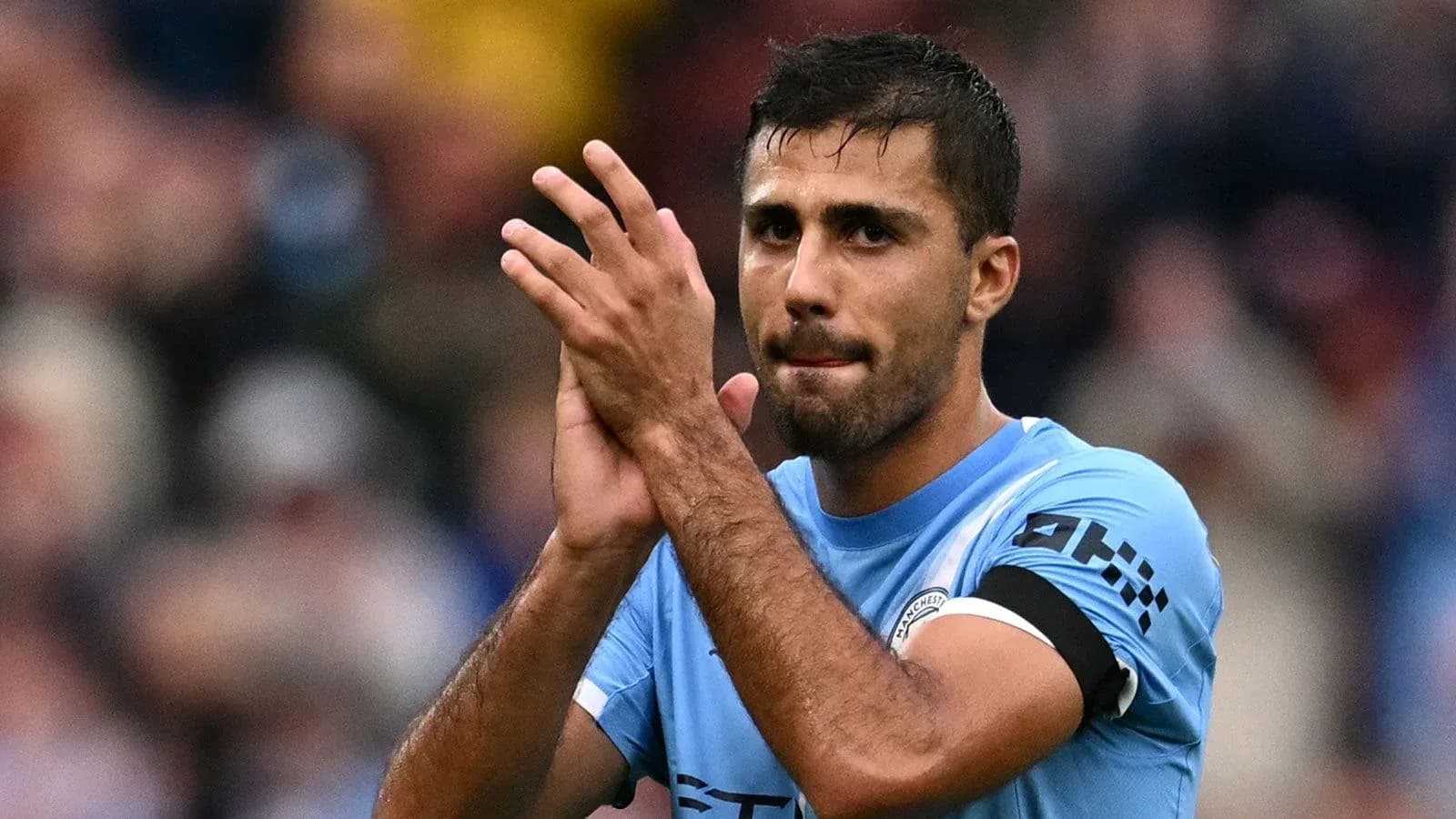
Real Madrid's Transfer Woes: Rodri Chooses Barcelona
Two months ago, Florentino Perez stepped onto the campaign stage and reached for the old Galactico script. He spoke of a "player of the calibre of Cristiano Ronaldo or Kaka", hinted at an offer of at least €150 million, and invited Madridistas to dream again of the next superstar unveiling at the Bernabeu.
The money has gone. The hole in the team has not.
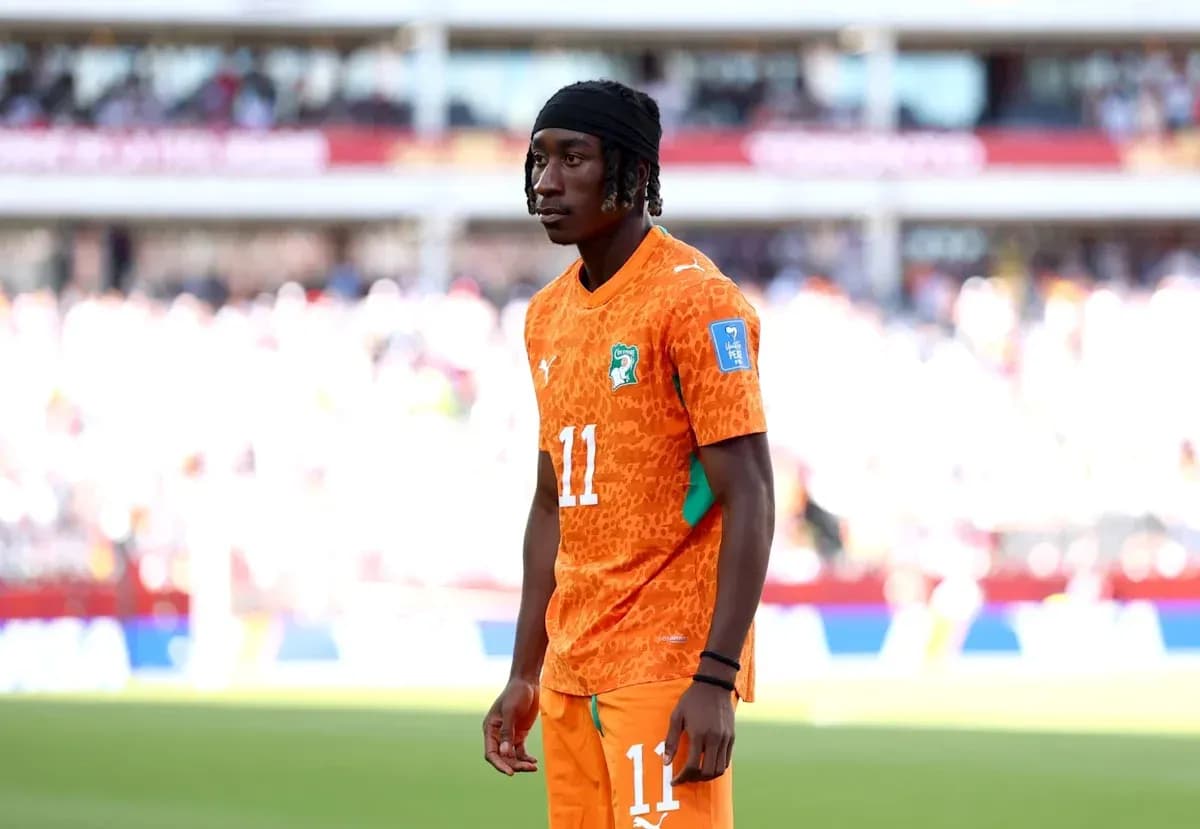
Michael Olise never left Bayern Munich. The officially confirmed bid for Julian Alvarez went nowhere as Atletico Madrid shut the door. The vast sum Perez promised remains largely untouched in the way fans expected, diverted instead into Yan Diomande from RB Leipzig for €125 million.
Olise, Alvarez, Diomande. Three names, one pattern. All of them point in the same direction: attack. All of them ignore the same problem: Real Madrid still do not have an elite holding midfielder to replace the broken-up trident of Toni Kroos, Luka Modric and Casemiro. For two years, that vacancy has gaped at the heart of the side. For two years, Real have looked everywhere but there.
Rodri was supposed to end that search.
Rodri turns his back on Madrid
The story looked almost too neat. Madrid-born, schooled at Atletico Madrid, hardened at Manchester City, crowned the best player at the World Cup. Rodri had already opened the door in public back in the spring, making it clear that his past at Atletico would not block a move across the city. Others had crossed that divide before him, he reminded everyone.
Real believed. Internally, they were convinced he could be the anchor to drag them out of a trophyless season and into Jose Mourinho’s new era with a spine worthy of the club’s ambitions.
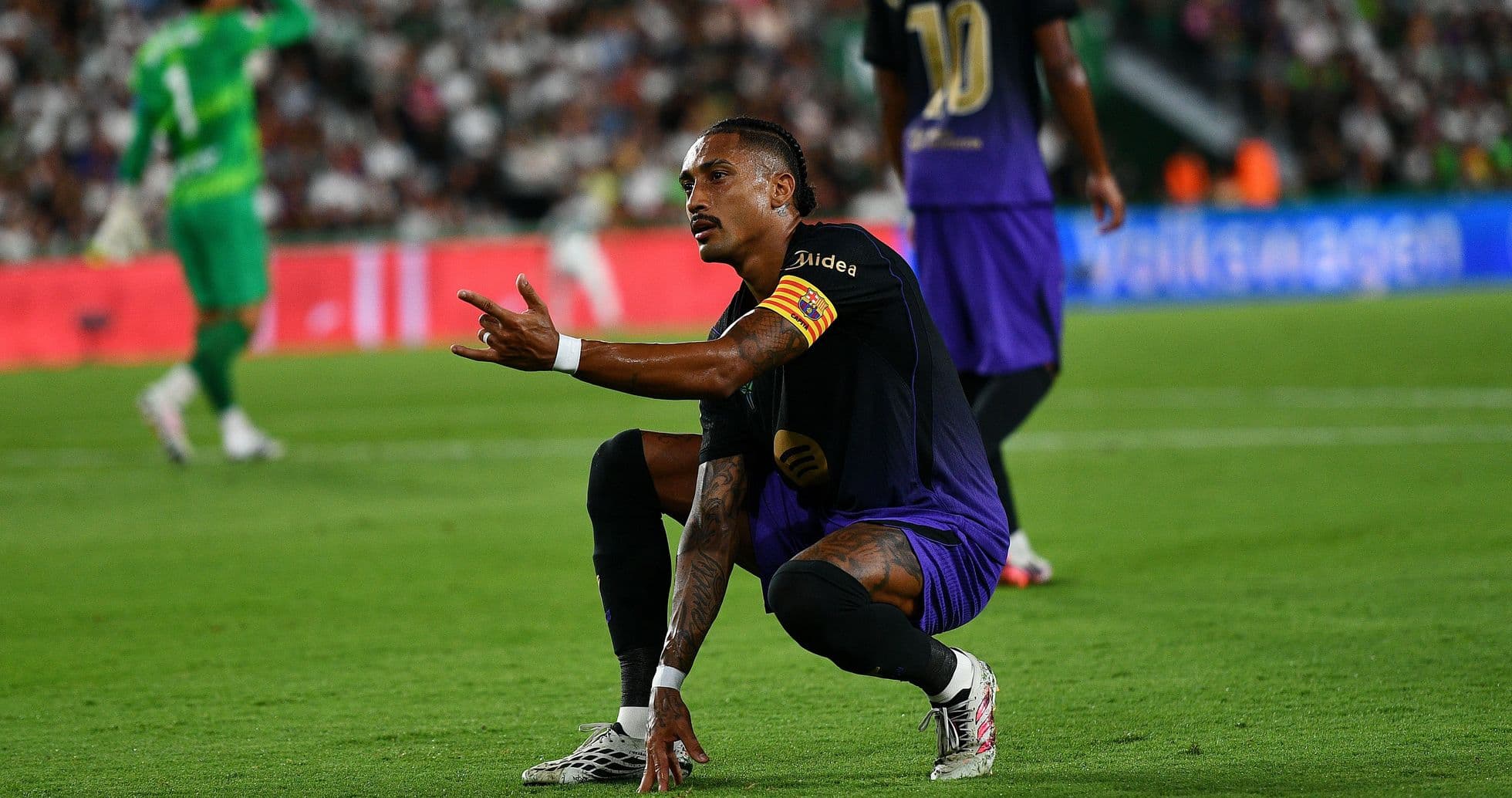
Then came the twist that will sting in Chamartin for years. Rodri said no. His agent, Pablo Barquero, has made it clear: the offer from Real was rejected. All signs now point to the World Cup’s outstanding midfielder leaving Manchester City for Barcelona.
Barcelona land a hammer blow
Real are left staring at the same tactical void. No one to knit the play behind a front line of Kylian Mbappe, Vinicius Junior and Diomande. No one to dictate the tempo, to shield the defence, to give structure to all that attacking chaos.
Once again, Aurelien Tchouameni and Fede Valverde look set to be pushed into a role that does not suit either of them. Both are excellent players. Neither is the organiser this team has been crying out for. The evidence of the past two seasons is brutal on that point.
Barcelona, by contrast, are on the verge of a coup. Hansi Flick, whose side have humiliated Real twice in succession in La Liga, is about to receive the perfect replacement for the again long-injured Frenkie de Jong. Rodri will walk into a dressing room packed with the same Spanish core that just became world champions alongside him. The chemistry is ready-made, the tactical fit obvious.
This is not just a transfer. It is another front in a war that has been raging for decades.
The echoes of Luis Figo’s move in the 2000s are impossible to ignore. Back then, the arrow flew from Catalonia to Madrid. Now the direction is reversed, but the fury feels familiar.
Rivalry poisoned by scandal and spite
The backdrop is already toxic. The Negreira scandal has hung over Spanish football since early 2023, eroding trust in referees and turning every contentious decision in a Clasico into an argument about integrity. Real Madrid have joined the criminal case against Barcelona as a private prosecutor, a step that detonated what was left of institutional diplomacy between the clubs.
From there, the mud began to fly. Joan Laporta fired back, branding Real "the club of the regime", historically favoured by referees and still so today. Any pretence of cordiality vanished.
Perez and Laporta had once sat on the same side of the table, plotting the Super League. That alliance is dead. The traditional pre-Clasico presidents’ lunch has disappeared. Real have repeatedly refused to offer Barcelona’s hierarchy the usual place of honour in the Bernabeu’s VIP box.
Against that backdrop, every move in the transfer market becomes a political act.
The Julian Alvarez affair was a case in point. After Perez’s bombshell promise of a record transfer, Real publicly confirmed an offer of €150 million to Atletico for the Argentine. Atletico turned it down. Alvarez stayed put. Barcelona, who had long been seriously interested in the striker, were left looking flat-footed. By dragging the numbers into the open, Real seemed to drive up the price for a player their rivals coveted.
Then came the 2024 Ballon d’Or row. Real boycotted the gala in protest at Rodri beating Vinicius Junior to the award. The midfielder became a symbol of grievance in Madrid, a lightning rod for their sense of injustice.
Now that same player is heading for the Camp Nou.
Madrid’s slap in the face
For Real Madrid, Rodri’s choice lands like a public humiliation. The midfielder they once treated as a symbol of everything that was wrong with the awards system is about to become the heartbeat of Barcelona’s next cycle.
It is a decision that cuts in several directions at once. Sporting, because it denies Mourinho the pivot his system craves. Symbolic, because it reinforces the idea that Barcelona, despite their financial turbulence and legal battles, can still outmanoeuvre Madrid in the market when the right player comes along. Emotional, because it deepens the sense that the rivalry has moved into a new, poisonous phase where every act is interpreted as a provocation.
The scoreboard in this off-season is brutal for Los Blancos. They have the star forwards. They do not have the balance. They have the money. They have not solved the problem.
Rodri, meanwhile, walks into a Barcelona side built around his strengths, surrounded by world champion team-mates, tasked with extending a run of league dominance over Madrid that already includes two recent thrashings.
The next Clasico will not just be about Mbappe versus Lamine Yamal, or Vinicius against Alejandro Balde. It will be about the man in the middle who said no to his home city’s white shirt and chose the red and blue of its greatest enemy.
Real Madrid now have their answer from Rodri. The real question is how they answer him back.