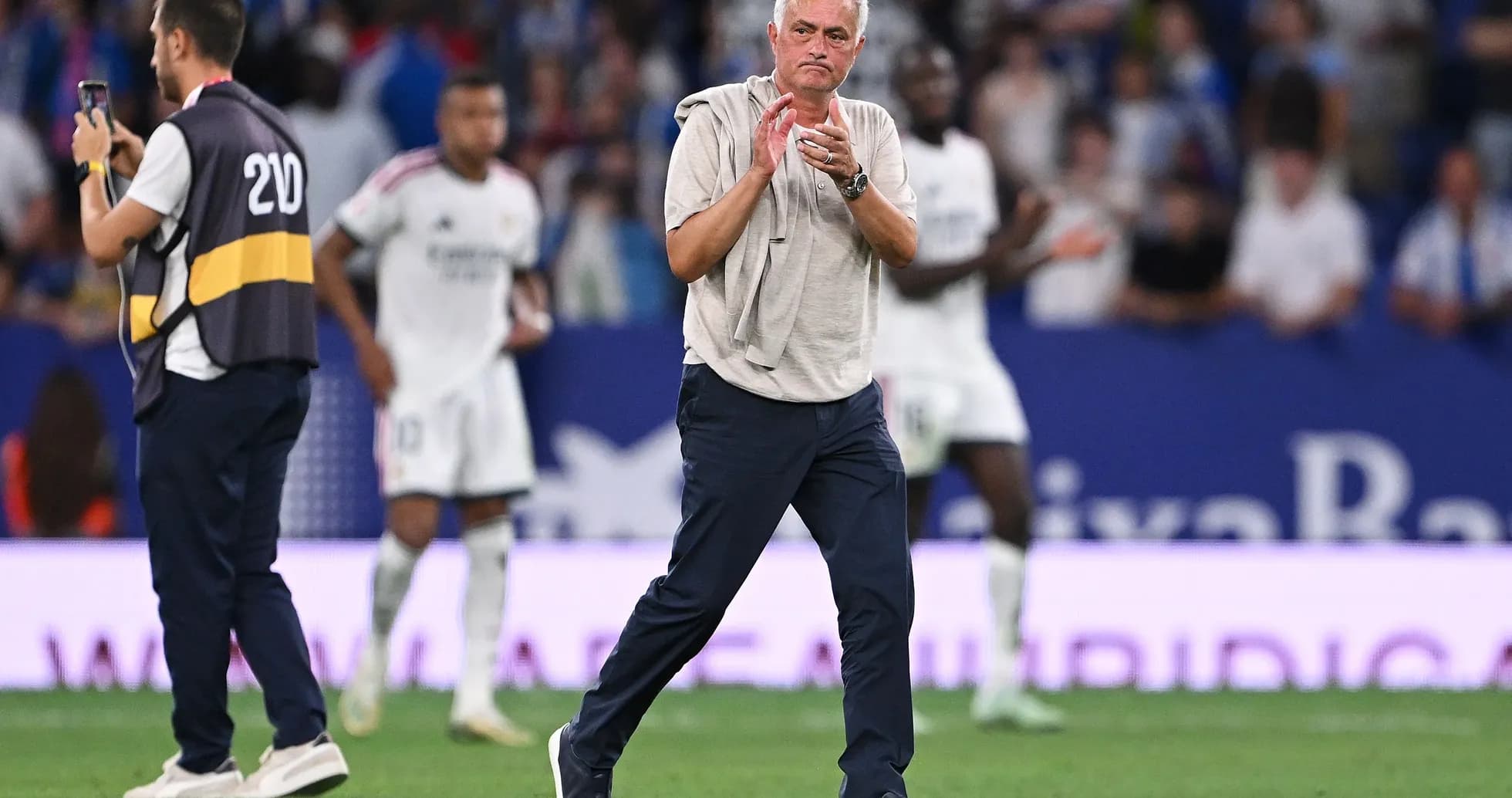
Real Madrid 2–1 Espanyol: Mourinho's Winning Return and Lingering Flaws
Real Madrid did not ease their way into the Mourinho era. They tore into it.
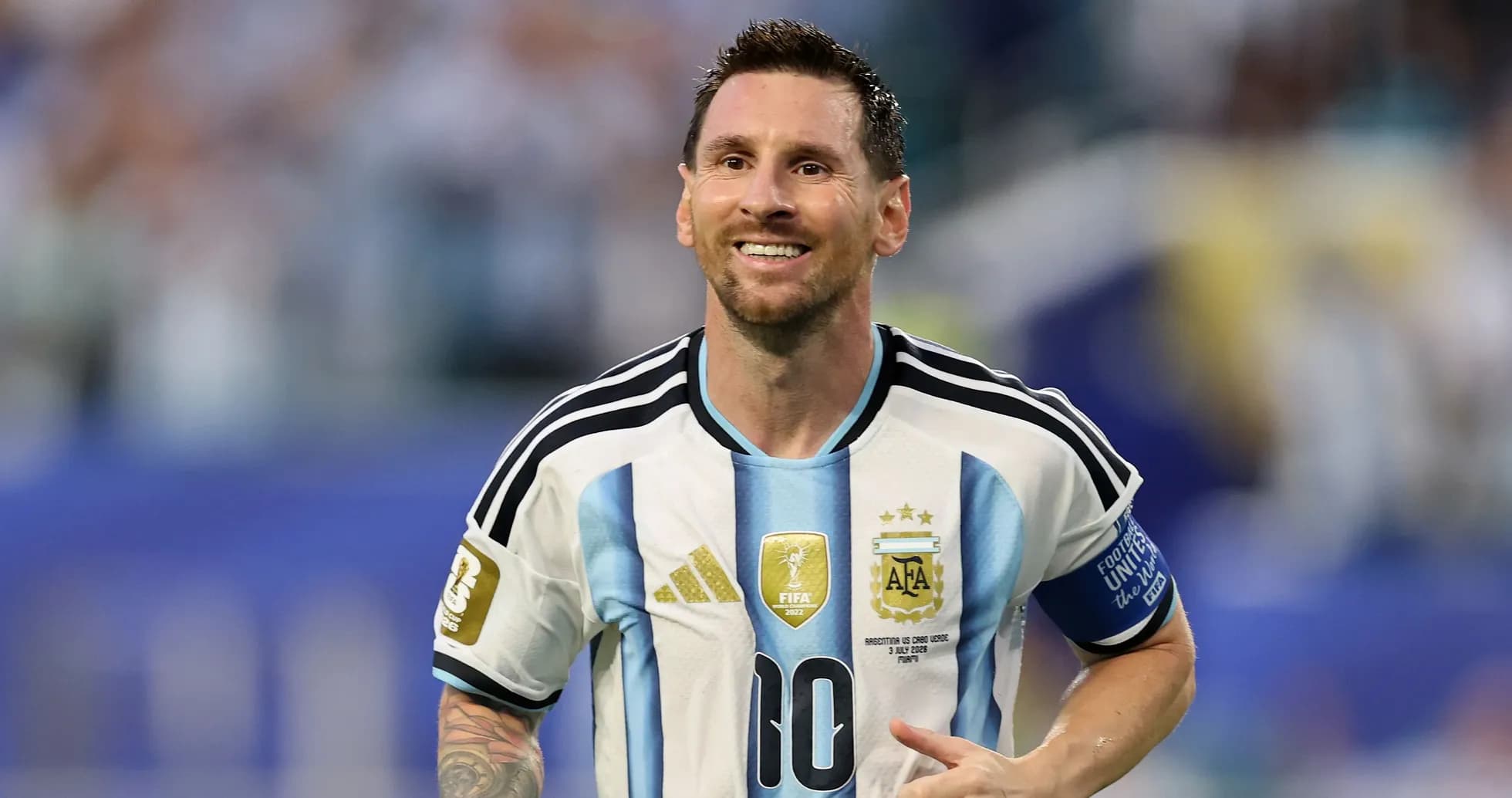
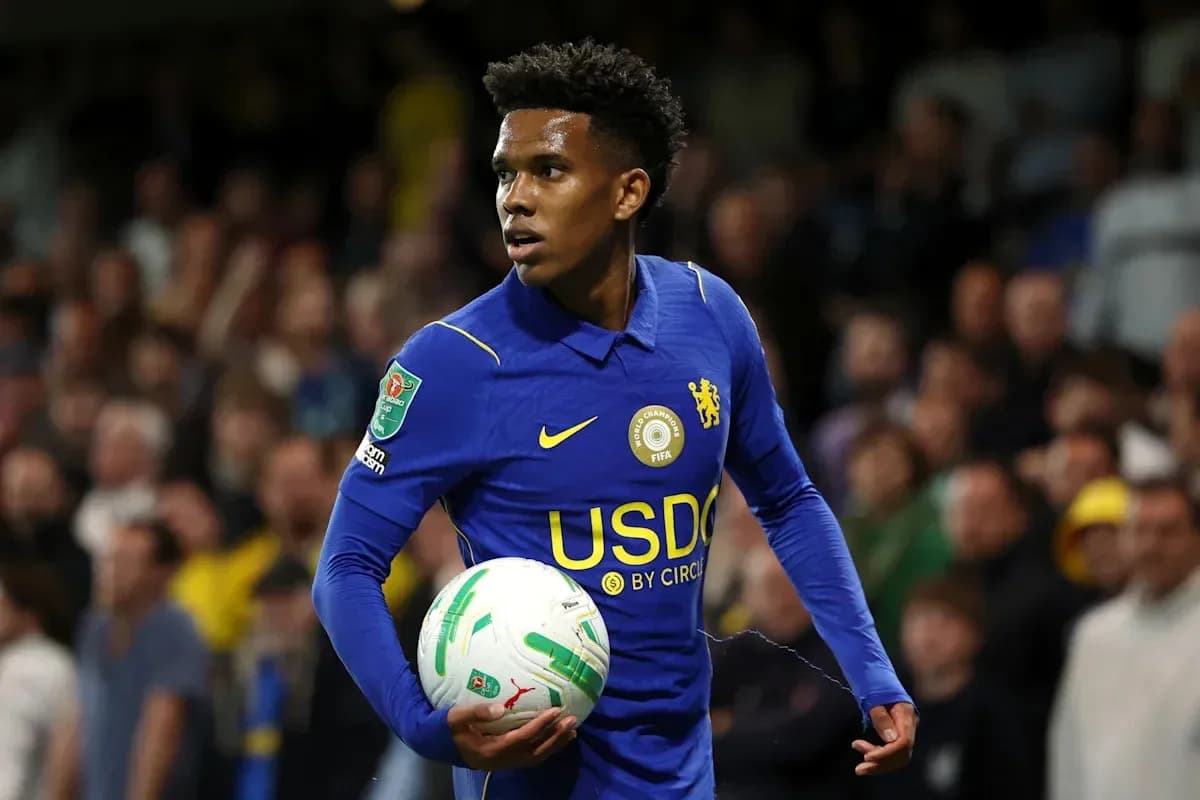
Barely nine minutes had passed when the new project produced its first goal. Arda Guler drifted into space on the right, glanced up once and whipped in a teasing cross. Jude Bellingham attacked it like a centre-forward, rose above everyone and thumped his header past the keeper. Ruthless. Clinical. Exactly the kind of start a Mourinho side is supposed to build on.
Only they didn’t.
The goal calmed no one in white. Instead, it seemed to wake Espanyol up. The hosts shook off the early blow and began to test Thibaut Courtois, stretching Madrid’s back line and dragging them into awkward areas. Courtois had to step in with a big save in the 26th minute, bailing his side out from a dangerous opening that cut straight through the middle.
The warning went unheeded.
A few minutes later, Alex Calatrava punished Madrid’s looseness, levelling the score and turning the mood inside out. On the balance of chances, Espanyol had earned it. They were sharper in the final third, more coherent between the lines, and repeatedly found ways to trouble Courtois despite what the scoreboard had been saying.
For Madrid, the equaliser did more than dent the lead. It reopened an old wound.
The move that led to Calatrava’s goal exposed a familiar imbalance in the back line. There was no true defensive anchor stepping in early, no one cutting out the pass before it reached danger, no body in the right place to read the unfolding threat inside the box. With so many attack-minded players on the pitch, every turnover left a yawning stretch of grass in front of the defence, begging to be exploited. Espanyol accepted the invitation.
If Mourinho intends to reimpose his trademark rigour, that is the crack he will have to seal first. The shape of his defence, the identity of the player who protects it, and the team’s reaction the moment they lose the ball will tell a lot about where this Madrid is really heading.
For long spells, though, this was not about tactical blueprints. It was about survival.
Espanyol, sensing vulnerability, pushed forward in waves. Madrid never truly settled into controlled possession, never strangled the tempo as a dominant side should. Attacks came in bursts rather than in sustained pressure. The first half ended with the feeling that the team in white were clinging to reputation more than structure.
The pattern did not fully change after the break. Madrid had moments, half-chances, glimpses of the fluency their talent promises. But they rarely stitched together the kind of organised, sweeping move that would have buried Espanyol. The hosts kept their edge, kept finding pockets, and kept reminding everyone that this was not a one-sided contest.
As the clock ticked towards 90 minutes, a draw felt inevitable. It would have been a fair reflection of the night’s balance, and a slightly awkward start to Mourinho’s second spell: neither a crisis nor a statement, just a flat line.
Then the bench intervened.
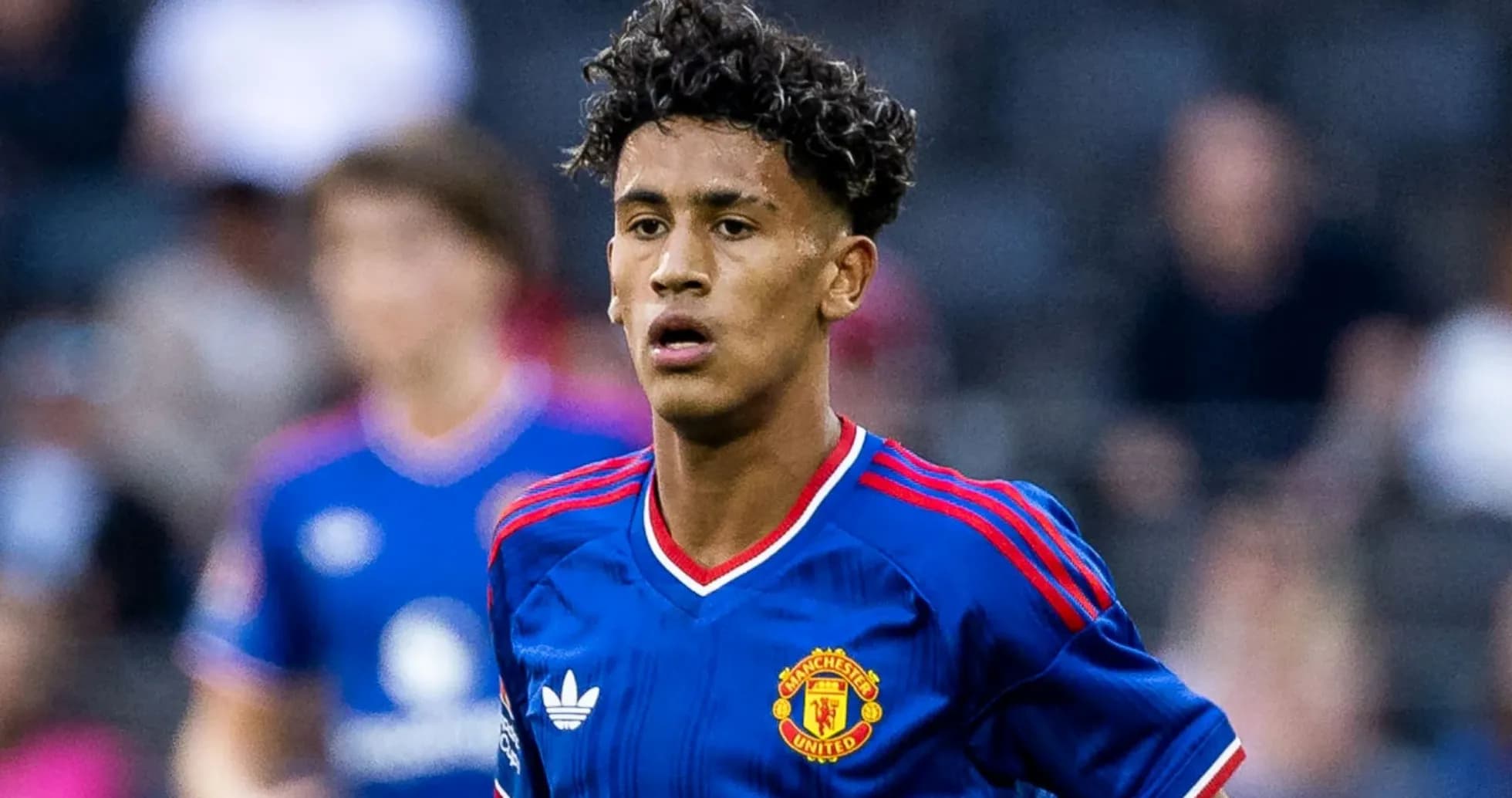
Thrown on late, Espi became the unlikely hero. In the 90th minute, a scramble in the Espanyol box turned messy. Madrid swarmed, the defence hesitated for a split-second, and Espi reacted first. He pounced on the confusion and lashed the ball home, ripping three points out of a match that had been slipping away from them.
One strike, and the Mourinho era officially had its first win.
That goal underlined the value of Madrid’s depth. It also hid a harsher reality. The victory did not come from a flowing team move that showcased control and superiority. It came from punishing a defensive lapse at the death. Madrid capitalised, as great clubs often do, but they did not dominate their way to the result.
The concerns that shadowed the club over the past two seasons did not vanish with the final whistle. They were all there, scattered across 90 anxious minutes: a shortage of clear attacking solutions against a compact opponent, difficulty dictating the rhythm, and recurring gaps that allowed Espanyol to manufacture real danger.
It is early. One game cannot define a season, especially with players still absorbing Mourinho’s demands and rhythms. But if these same fault lines keep appearing when the opposition grows stronger, what surfaced in Catalonia will stop looking like opening-day rust and start to resemble something far more entrenched.
On paper, Mourinho walks away with exactly what he wanted: three points and a winning return to Real Madrid. On the pitch, the questions remain. Is this just the messy first step of a team learning a new edge, or the latest sign that even a familiar Portuguese face may struggle to drag this side away from old habits?