The New Trend of Premier League Clubs Recruiting from Lower Leagues
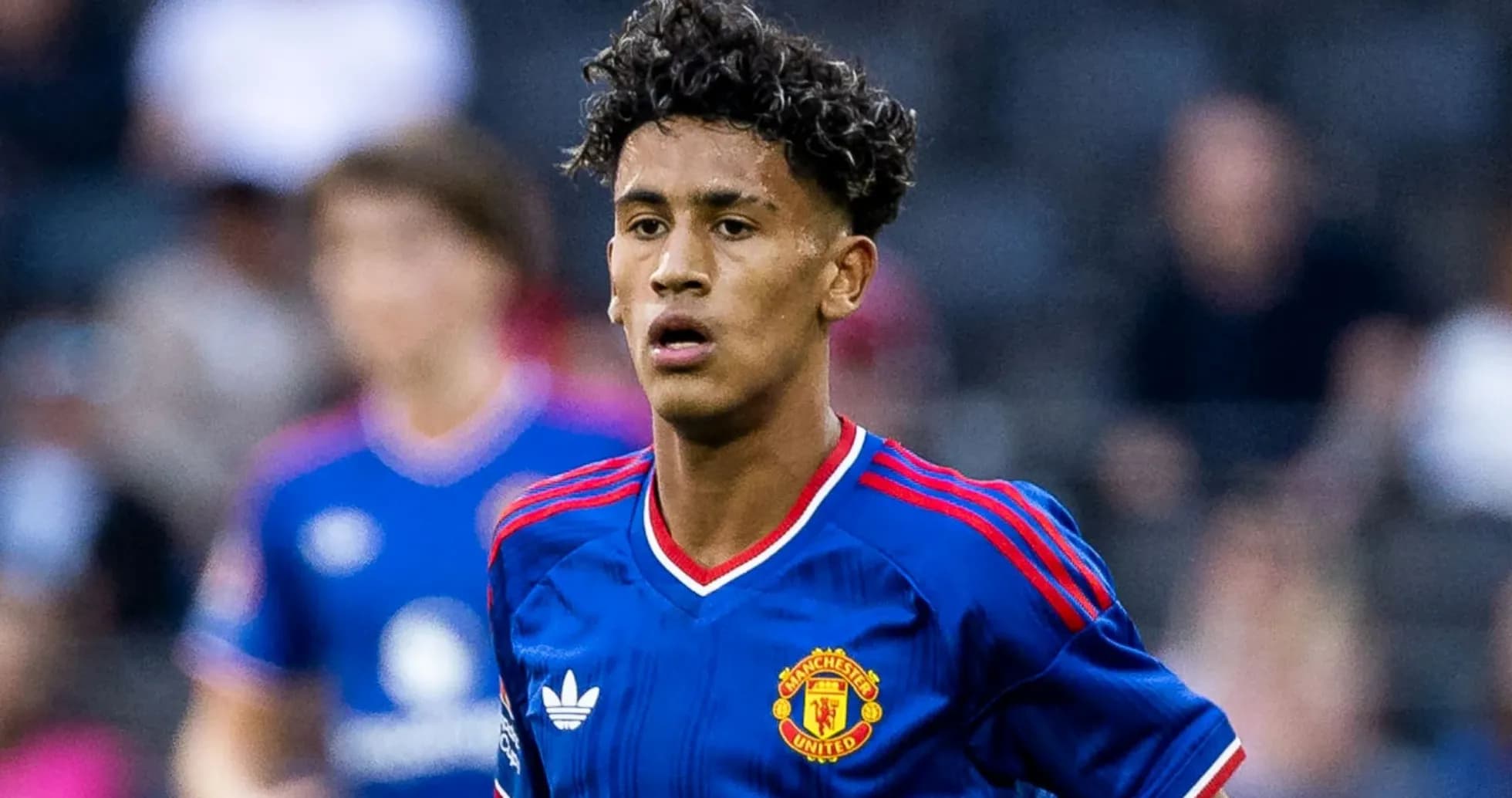
Manchester City’s £12.5m move for Jeremy Monga last month was not a quiet piece of business. It was a statement in a market that has shifted under everyone’s feet.
Arsenal wanted him. Others were watching. City got him.
Monga joined Leicester at eight. By 15 years and 271 days he was on a Premier League pitch, the club’s second-youngest player in the competition. He then became their youngest league starter and overtook Jude Bellingham as the Championship’s youngest goalscorer. Records fell before he’d even finished school.
He is the polished tip of a much bigger trend.
A new gold rush in the lower leagues
Premier League recruitment teams have turned their gaze down the pyramid. EFL and Scottish academies are no longer just places to loan players to – they are hunting grounds.
The logic is brutal and clear.
Antoine Semenyo was rejected by several academies, spotted playing college football by Bristol City, hardened by loans at Newport County and Sunderland, then built himself into a Championship force. Bournemouth paid about £10m. Manchester City later paid £64m.
Ollie Watkins came through at Exeter City. Adam Wharton at Blackburn Rovers. Eberechi Eze rebuilt himself at Millwall and QPR after Arsenal let him go. These are not one-off fairy tales; they are business models.
Find the next one early, and the payoff can be enormous.
BBC Sport research shows 14 players have already been signed this summer from EFL or Scottish Premiership academies into Premier League development squads. That number already equals the total for the whole of 2025-26. There were eight such moves in 2024-25, 18 in 2023-24 and seven in 2022-23.
The volume alone tells part of the story. The profile tells the rest.
Of those 14 recruits this summer, 11 are 18 years old. Last season, only five of 14 in the equivalent sample were 18. Clubs have narrowed their sights: old enough to have serious coaching behind them, young enough to mould.
League One, often overlooked in the glare of the Championship, has become a key battleground. Seven of this summer’s 14 recruits have come from there, up from just two last season.
- Blade Earley from Cambridge United to Aston Villa.
- Valentin Joseph from Blackburn Rovers to Brighton.
- George Munday from Cambridge United to Brighton.
- Harrison Bettoni from Wigan Athletic to Chelsea.
- Maxwell Adedeji from Leicester City to Tottenham.
Monga, crucially, sits outside that sample because he had already broken into Leicester’s first team. His £12.5m fee shows what happens when a teenager proves himself under senior lights. The price jumps, and fast.
Cheap bets, huge upside
For Premier League clubs, 18 is a sweet spot. These players have years of academy work behind them but still have time to spend in under-21 or B-team football before a decision is made: loan, sell, or promote.
The financial risk is often tiny.
Of the 14 moves identified this summer, nine are listed as free transfers. The other five are undisclosed fees. Last season, eight of 14 were also free.
For clubs used to wiring tens of millions for established starters, sprinkling relatively modest sums across several teenagers makes obvious sense. If only one of them becomes a regular Premier League player, the model pays for itself – and more.
That calculation sits inside a wider debate. The Premier League has approached the EFL about potentially capping compensation when young players move between academies. At present, clubs losing a youngster can receive training compensation, appearance-related add-ons and sell-on clauses. Disputes can end up in front of the Professional Football Compensation Committee.
The battle is not just on the pitch. It is in boardrooms and tribunal rooms, over what a 16- or 17-year-old is worth.
Brexit closes doors, opens others
Another force has reshaped the landscape: Brexit.
Before freedom of movement ended, English clubs could scour Europe almost without restriction, only worrying about talent, not paperwork. A 2022 report by Analytics FC, produced with immigration specialists Fragomen, estimated around 60,000 professional players in Europe were potentially available to British clubs pre-Brexit.
Under the current Governing Body Endorsement system, the same analysis suggested only about 5,000 would likely qualify for a work permit. A drop of roughly 92%.
That hits younger players hardest.
Liverpool’s Ifeanyi Ndukwe is a stark example. The 18-year-old centre-back joined from Austria Vienna and caught the eye in pre-season, but he cannot play competitive matches because he does not yet qualify for a work permit. A loan abroad is expected to give him the experience and points needed to become eligible.
An 18-year-old already in an English academy faces none of those barriers.
Brexit has also slowed traffic in the opposite direction. Analytics FC found Premier League 2 produced more British transfers to EU clubs than any other English division before Brexit. By 2021-22, those moves had halved.
No single number proves that Brexit directly pushed Premier League clubs towards EFL academies. But it has changed the conditions in which every youth recruitment decision is made.
Different clubs, different philosophies
There is no one blueprint for youth development in the top flight.
Figures from the International Centre for Sports Studies (CIES) for 2025-26 show how varied the approaches are. Club-trained players accounted for 16.2% of Manchester City’s Premier League minutes, 15.5% at Chelsea and 12.5% at Brighton.
CIES defines a club-trained player as someone registered with their current club for at least three full seasons, or 36 months, between the ages of 15 and 21. That definition matters. An 18-year-old signed from an EFL academy can still qualify as club-trained if he spends the next three seasons with his new Premier League side.
At the other extreme, Tottenham’s club-trained players contributed just 0.1% of league minutes. Bournemouth, Brentford and Burnley were all at zero.
For clubs in that bracket, raiding EFL and Scottish academies offers another route to building a development pipeline without having nurtured a player from primary school age. Spot someone at 17, 18 or 19, bring him into the under-21s, and take charge of the final, decisive steps.
The raw numbers do not yet show an unstoppable surge. There were 18 such moves in 2023-24; this summer’s 14 are not unprecedented. But the clustering of 18-year-olds and the heavy involvement of League One hint at something more targeted. Clubs are not just looking down the pyramid. They are looking with a very specific profile in mind.
For EFL sides, that raises uncomfortable questions. How long can they realistically hold on to their best teenagers? How do you plan a first team when your brightest prospect might be gone before his 19th birthday?
For Premier League clubs, the question is sharper, more ruthless. The next Watkins, Eze, Wharton or Semenyo is almost certainly already in the system, somewhere between a windswept training pitch and a half-full lower-league ground.
The race is on to find him before someone else does.