Changes in the Premier League for 2026-27 Season
The Premier League is back – and it’s not quite the one you remember.
The 2026-27 season kicks off on Friday with Arsenal defending their crown, old rivalries ready to flare and three familiar names back from the wilderness. But the league that restarts this weekend has been rewired: stricter laws, a new generation of managers, record-breaking transfers and a different feel on TV.
This is what has changed before a ball is kicked.
Time-wasting? The clock is now very real
The first big shift is aimed squarely at one of English football’s oldest dark arts.
Referees now have a visible weapon against time-wasting at throw-ins and goal-kicks. If they judge a player is deliberately running down the clock, they can start a five‑second countdown. Cross that line and the punishment is brutal: a goal-kick turns into a corner to the opposition; a throw-in goes the other way.
The clampdown does not stop there.
The mandatory time off the pitch for injured players – when play has been stopped – jumps from 30 seconds to a full minute. Only a few scenarios escape that rule: if the injury comes from a carded foul, or in other exceptional circumstances.
Goalkeepers feigning or exaggerating knocks to buy a breather for their team will also carry a cost. If a keeper goes down injured and play is stopped, the manager must nominate another outfield player to leave the pitch for one minute as well. Tactical timeouts just became expensive.
Substitutions are being squeezed too. Players now have 10 seconds to get off the pitch. Take longer, and the replacement must wait an extra minute before entering the field. The message is blunt: stop dragging it out.
VAR gets more power – and a few new limits
Video assistant referees are stepping into fresh territory.
They can now intervene on second yellow cards, but only if the referee has shown one in error. They are not allowed to recommend a second booking that has not been issued on the pitch.
VARs will also have a say in incidents before set pieces. If an attacking foul occurs before a free-kick or corner that then leads to a penalty, a goal or a disciplinary sanction, the VAR can advise the referee to bring it back and order the set piece to be retaken.
One thing that will not cross over from international football: the World Cup trend of red cards for players talking to opponents with their mouths covered. That clampdown is not being adopted in the Premier League.
Arteta now the old hand in a dugout full of new faces
On the touchline, the league looks very different.
For the first time, Arsenal’s title-winning manager Mikel Arteta begins a season as the longest-serving boss in the division, having taken charge in 2019. Aston Villa’s Unai Emery follows him on the seniority list, with Leeds’ Daniel Farke next.
Behind them comes a wave. This campaign sets a Premier League record for the most new managers in place on opening weekend: nine clubs start with a fresh face in the technical area.
- Marco Rose at Bournemouth
- Xabi Alonso at Chelsea
- Pierre Sage at Crystal Palace
- Álvaro Arbeloa at Fulham
- Gary O’Neil at Ipswich Town
- Andoni Iraola at Liverpool
- Enzo Maresca at Manchester City
- Matthias Jaissle at Newcastle
- Oliver Glasner at Nottingham Forest
It is a reshaped cast list, with Champions League winners, bold tacticians and returning survivors all thrown into the same pressure cooker.
Record fees and statement signings
The transfer market has once again stretched the limits of what counts as normal.
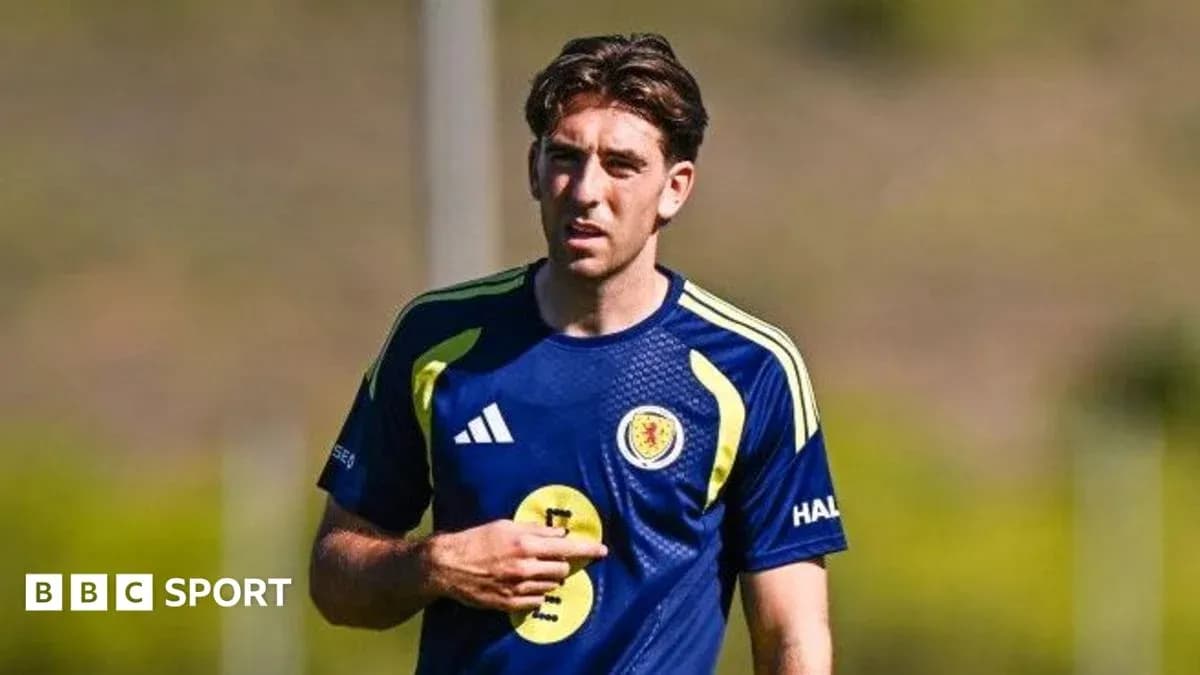
For a brief spell this summer, Elliot Anderson’s move from Nottingham Forest to Manchester City stood as the most expensive transfer for a British player at £116m. City have ripped up their midfield, with Rodri, Bernardo Silva and Tijjani Reijnders all departing. Anderson arrives as part of that rebuild, expected to carry a major share of the creative and physical load.
His record did not last long.
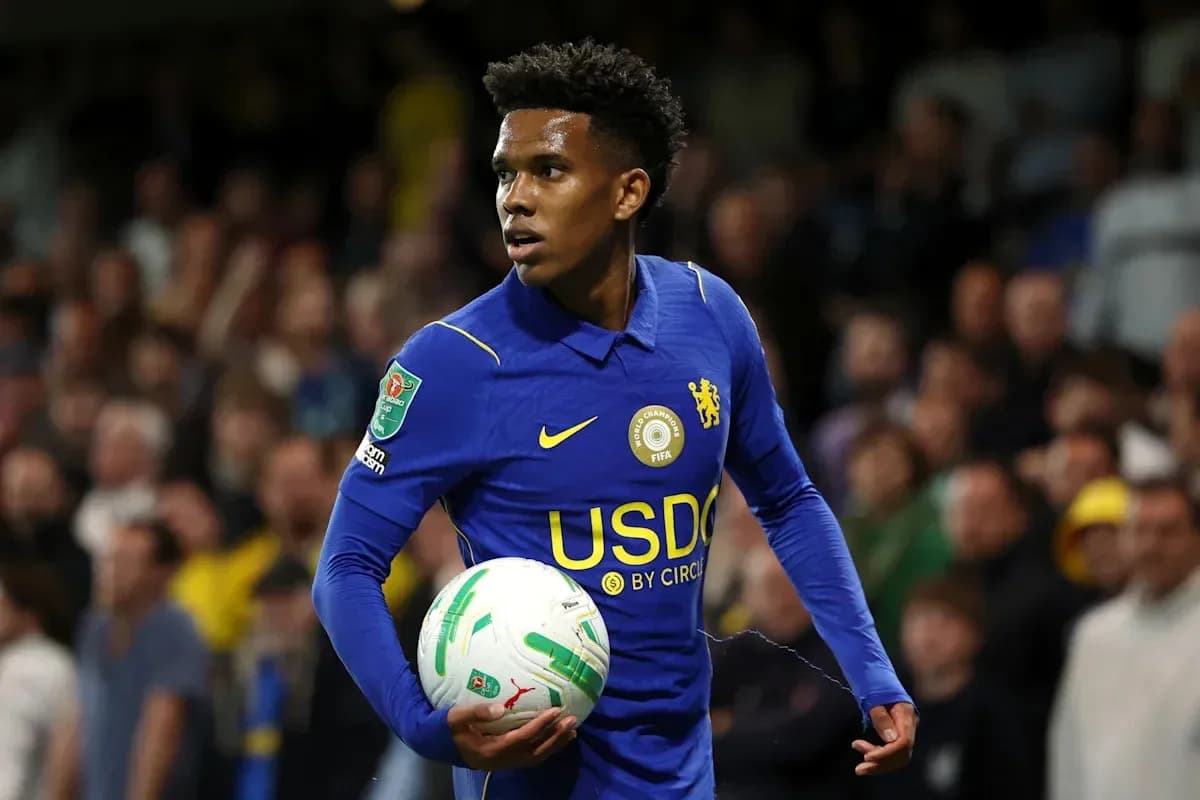
Chelsea went a step higher for Morgan Rogers, paying £117m to prise the versatile forward away from Aston Villa. Rogers, 24, was central to Villa’s attack last season, scoring 10 league goals and providing seven assists, and he shone alongside Anderson as England finished third at the World Cup. For Villa, it is a huge hole to fill.
Arsenal, meanwhile, have moved with intent rather than noise. They have landed Bruno Guimarães from Newcastle, adding a proven, durable midfielder to the heart of the champions’ side. Sporting director Andrea Berta summed up the club’s thinking: Guimarães can operate as a holding midfielder or box-to-box, and he consistently delivers goals and assists as well as work-rate.
Further down the table, Fulham have taken a bold swing. Gonzalo García, who forced his way into Real Madrid’s first team last season, has followed Álvaro Arbeloa to London. The highly rated striker is leaving Madrid for the first time in his career; how quickly he adapts to the Premier League’s pace and physicality could define Fulham’s season.
Sunderland, for their part, have gone for experience at the back. Thomas Meunier arrives from Lille with 83 caps for Belgium and 14 trophies from spells at PSG and Dortmund. He gives Sunderland a seasoned defender who has seen just about everything the game can throw at him.
Old names, new chapters: Hull, Coventry and Ipswich return
The promoted trio are anything but strangers.
Hull City, Coventry City and Ipswich Town all have deep Premier League roots. Each returns with its own scars and its own story.
Ipswich, the Tractor Boys, are back after another rollercoaster. Promoted in 2024, relegated the very next season, they climbed again by finishing second in the Championship. Kieran McKenna masterminded that rise but will not lead them in the top flight; he stepped down to take a break from management. That opens the door for Gary O’Neil, back in the Premier League after his stint at Wolves, to take on one of the division’s toughest rescue jobs.
Hull’s last taste of the top flight came in 2016-17. A decade on, Sergej Jakirovic has dragged them back up with an unexpected promotion push. Survival is the first target; upsetting the established order will be the dream.
Coventry’s journey has been even longer. Twenty-five years outside the Premier League, a fall as far as League Two, and a slow, stubborn climb back through the divisions. Frank Lampard, who guided them to the Championship title, now returns to Premier League management for the first time since his caretaker spell at Chelsea in 2023. This time, the project is his, from day one.
Inside the game: what fans will hear and see
The broadcast landscape looks familiar at first glance. Sky Sports and TNT Sports remain the live TV homes of the Premier League in the UK, with the BBC continuing to show highlights on Match of the Day.
The detail is where it shifts.
The league will allow on-field conversations between referees and players to be aired during live broadcasts, on a trial basis. Viewers will get to hear the dialogue that shapes big decisions, though not immediately – the trial will not be in place for the opening weekend.
Match of the Day’s studio will have a different feel as well. Former Brentford and Spurs manager Thomas Frank joins the punditry team, alongside ex-players Toby Alderweireld, Robbie Keane and Ashley Young, adding fresh voices and recent dressing-room experience to the analysis.
One familiar part of the BBC’s football offering has gone. The Fantasy 606 podcast, a staple for fantasy Premier League devotees, has been axed. Presenter Alistair Bruce-Ball confirmed its end in July, thanking listeners for the emails, poems, songs and for managing the listeners’ teams, and signing off with a clear message: they will miss it.
New rules. New managers. New money. Old clubs coming back for another swing at the elite.
The Premier League rarely stands still, but this season feels like a reset in fast-forward. The only question now is who adapts first – and who gets left behind.