
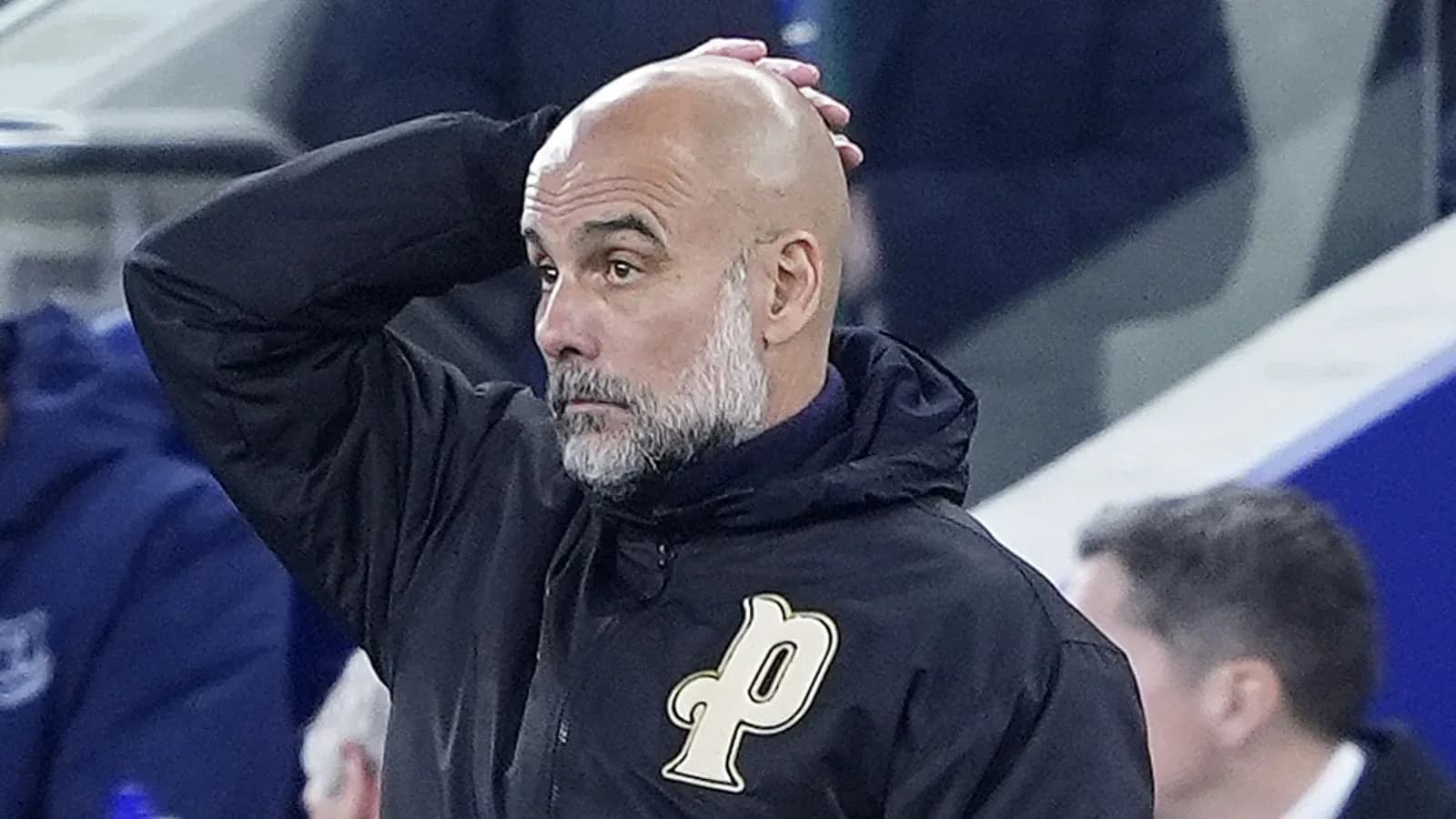
Pep Guardiola Rejects Italy Head Coach Position
Pep Guardiola has turned down the chance to become Italy head coach, rejecting an ambitious pitch from the Italian Football Federation that would have handed him sweeping power over the future of the Azzurri.
According to Sky in Italy, Guardiola delivered his answer on Thursday night. The decision, they report, is rooted in personal reasons that stretch well beyond football.
Italy’s grand plan – and the man they wanted to front it
This was no routine job interview. The FIGC, bruised and embarrassed after failing to qualify for a third straight World Cup, went all-in.
They turned to Paolo Maldini and his advisor Leonardo, two of the most influential figures in modern Italian football, and sent them to Barcelona for three days with one mission: convince Guardiola to rebuild a broken system.
The offer was not just a tracksuit and a touchline. In Barcelona, Maldini and Leonardo laid out what they called an ‘Azzurro project’ – a complete reset of Italian football. Guardiola would sit at the centre of it.
The plan stretched far beyond the senior side. Every national team, every age group, every layer of the structure would be reshaped under his guidance. The FIGC were even prepared to stretch their budget in a way they rarely do to bring him in.
Italy’s desperation is rooted in cold reality. They did not even qualify for this summer’s expanded World Cup in North America. Since winning Euro 2021 under Roberto Mancini, they have missed the last three major tournaments. For a four-time world champion, it is a staggering collapse.
Against that backdrop, Guardiola was their dream solution: a free agent for the first time in a decade, fresh from a 10-year spell at Manchester City in which he collected 20 trophies and posted a win ratio of 70.8 per cent. The timing looked perfect. The fit, on paper, irresistible.
He listened. He engaged. But he walked away.
A coach who needs a pause, not another empire
Those who have followed Guardiola closely will not be shocked.
Long before his departure from Manchester City became official, he had spoken openly about needing a break. A year before he left the Etihad, he told Sky Sports that when his time at City ended, he would step away from coaching for a while.
When the club finally confirmed his exit, he did not soften that stance. If anything, he sharpened it.
“No plans for [coaching] for a while. Otherwise I would be here. I need to step back. I will not [coach] for a while,” he said in his final City press conference.
He was blunt about why.
“I feel I will not have the energy every day, with expectations to fight for the title. I know myself, I have that energy, but I feel like I will not have it [in the future].”
Away from the cameras, speaking exclusively to Sky Sports, he framed it even more personally. He talked about his father, still alive, and the time he wants to reclaim. He mentioned his children. He spoke about the “things as a human being” he has yet to do, and the privilege of being able to choose when to stop.
For Italy, that context matters. They were not just asking him to take a job. They were asking him to start another long-term project, to throw himself into another demanding rebuild, to become the face and engine of an entire footballing culture. Right now, that is exactly what he says he cannot do.
Italy’s search goes on
With Guardiola out of the picture, the FIGC must turn back to more familiar names.
Alternative candidates are understood to include Roberto Mancini and Andrea Pirlo. Mancini, of course, is the coach who delivered Euro 2021 and briefly restored Italian pride before the slide returned. Pirlo, still early in his managerial journey, would represent a bold, romantic choice but also a significant gamble for a nation in crisis.
Maldini and Leonardo themselves were brought in as part of a sweeping shake-up after Italy failed to reach this summer’s World Cup. Their brief was clear: find a successor to Gennaro Gattuso, who stepped down after missing out on qualification yet again.
They thought they had their man. They had the concept, the money, the symbolism. They did not have Guardiola’s timing.
The England question that never quite went away
This is not the first time a major federation has tried to lure Guardiola into international football.
Back in 2024, it was widely reported that he had reached a verbal agreement with the FA to replace Gareth Southgate as England manager. The story seemed to be heading in one direction. Then he changed his mind and stayed in Manchester. Thomas Tuchel eventually took the England job and guided them to their best World Cup finish on foreign soil.
Tuchel has since extended his deal to the end of Euro 2028 and has publicly committed to seeing it out. That door, for now, is closed.
Yet the idea of Guardiola with a national team refuses to disappear, largely because he has never ruled it out. Quite the opposite.
In a 2024 conversation with chef Dani Garcia, he made his position clear: he would not leave Manchester City to do the same job in another club, in another country. The grind of daily training, the constant pressure, the endless cycle of seasons – he admitted he no longer has the energy for that.
“What I'm not going to do is leave Manchester City and go to another country to do the same thing as I am now,” he said. The thought of starting from scratch with another club? “No, no, no!”
Then came the caveat.
“Maybe a national team, but that's different.”
International football: the compromise that still beckons
This is where the tension lies. Guardiola is, as Sky Sports’ Callum Bishop put it, the biggest commodity in football management. That was true when he stepped away from Barcelona and resurfaced at Bayern Munich. It remains true now, after conquering England with City.
He is older. He is tired. He has spoken often about his obsession with the game and his need to step away from its daily demands. Yet football obsessives rarely stay away for long. They itch. They scheme. They imagine.
International management might be the compromise that eventually drags him back in.
On one side, it offers what he craves: space. He would not be on the training pitch every day. He would not live inside the relentless rhythm of club football. He could spend the stretches between international windows with his family, travel, pursue the “human” life he keeps referencing.
On the other side, it offers something new. A different kind of challenge. A chance to take a group of players every few months and imprint the Guardiola way on a World Cup or European Championship cycle. A fresh arena where his ideas have not yet been tested.
He has won everything there is to win in club football. He has built dynasties in three countries. The international stage remains the one frontier he has not crossed.
Italy wanted to be the nation that tempted him into that world. They built the project, flew the emissaries, opened the chequebook. For now, it was not enough.
The question is not whether Guardiola will manage a national team one day. It is which country will be ready – and patient – when he finally decides he has the energy to start again.




