Pafos vs HNK Hajduk Split: UEFA Europa League 2nd Qualifying Round Preview
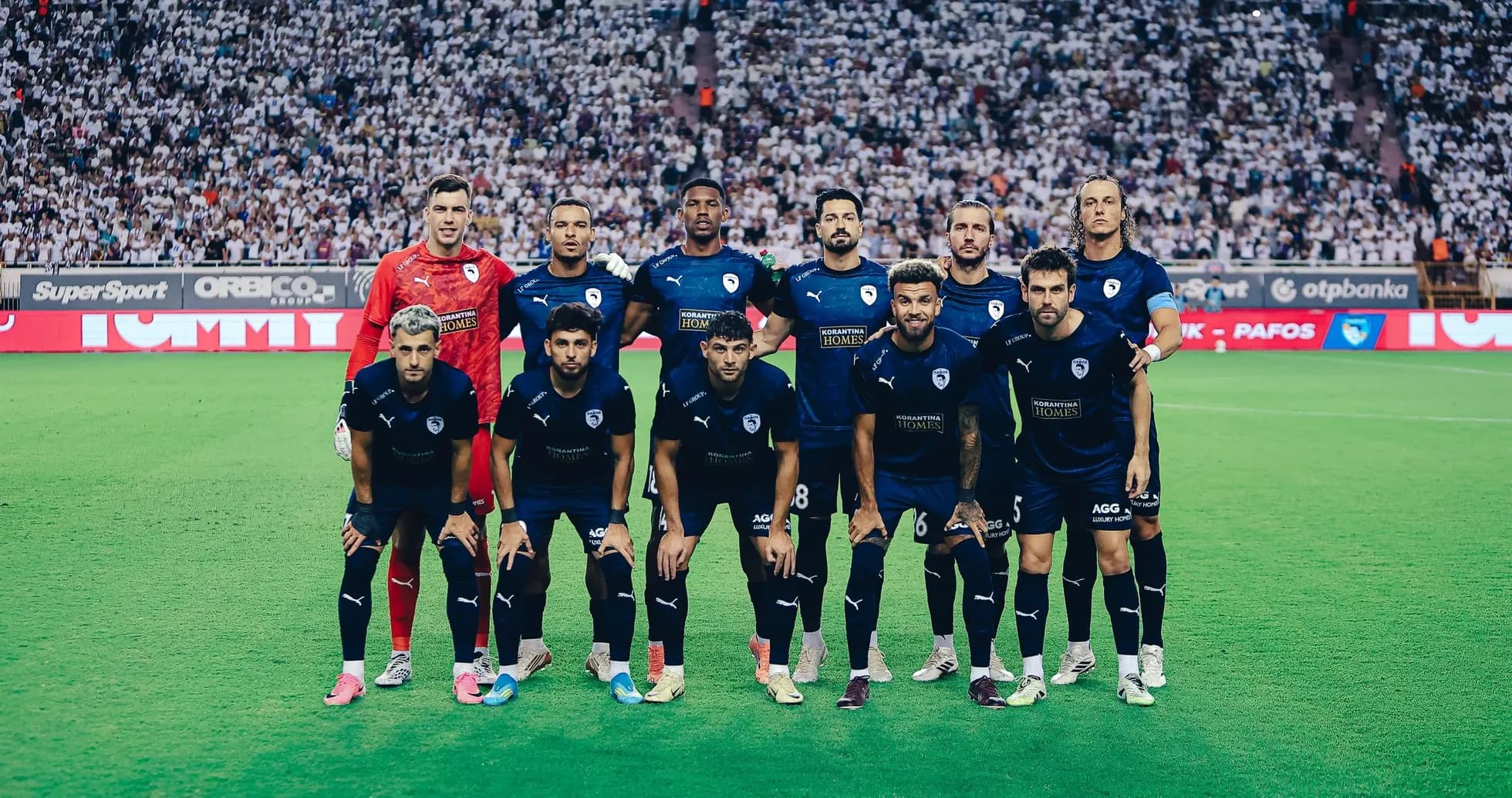
Pafos host HNK Hajduk Split at Alphamega Stadium in Limassol in the UEFA Europa League 2nd Qualifying Round, with the Cypriot side needing a strong home performance to overturn the first-leg deficit and keep their 2026 European campaign alive, while Hajduk aim to manage the tie and convert their early advantage into progression to the next round.
Head-to-Head Tactical Summary
The only previous meeting between these sides came in the first leg on 23 July 2026 at Stadion Poljud in Split, where HNK Hajduk Split, playing at home, beat Pafos 2–0 in the UEFA Europa League 2nd Qualifying Round. The match was goalless at half-time (0–0), before Hajduk’s superior second-half control and efficiency produced two unanswered goals and a clean sheet, establishing both a tactical and psychological edge heading into this return fixture.
Global Season Picture
- League Phase Performance: There is no group-stage or league-table data available yet for either Pafos or HNK Hajduk Split in this Europa League campaign, so their current standing, goals for and against, and points in a league context cannot be quantified at this stage.
- Season Metrics: In the Europa League qualifiers so far, Pafos have played 1 match, losing it, with 0 goals scored and 2 conceded; they have failed to score in their only outing and have yet to keep a clean sheet. Their disciplinary profile shows 2 yellow cards, both arriving in the second half. HNK Hajduk Split have played 3 matches, winning 2 and losing 1, scoring 5 goals and conceding 2. They average around 1.7 goals scored per match and 0.7 conceded, with 2 clean sheets already and no failures to score, indicating a balanced and efficient side at this stage of qualifying.
- Form Trajectory: Pafos enter this second leg on a single recorded result, a defeat, reflected in their form line as one loss, so their trajectory is currently downward and untested beyond that first-leg performance. Hajduk’s form reads as win–loss–win across their three matches, showing the ability to respond immediately after setbacks and maintain a generally positive trend in early-season European competition.
Tactical Efficiency
Pafos’ early European data points to a side still adapting to the demands of this level: no goals scored, 2 conceded, and a single formation used (3-4-3), suggesting a clear but as yet unproven tactical identity. The failure to score in their only match and the need to chase the tie at home will likely force them into a higher-risk attacking posture, which could expose a defence that has already conceded twice without reply.
HNK Hajduk Split, by contrast, have demonstrated tactical efficiency across both boxes. With 5 goals from 3 matches and only 2 conceded, plus 2 clean sheets, their preferred 4-2-3-1 has delivered control and balance: they are scoring at a solid rate while keeping games relatively tight defensively. Their ability to shut out Pafos 2–0 at home, combined with not having failed to score in any match so far, underlines a side that can both manage a lead and threaten in transition—an ideal profile for an away second leg where they can afford to be compact and selective with their attacking surges.
The Verdict: Seasonal Impact
This second leg is pivotal for Pafos’ 2026 European ambitions: overturning a 2–0 deficit would not only extend their Europa League journey but also significantly raise the club’s continental profile and revenue base; failure to do so would end their campaign at the qualifying stage and shift full focus back to domestic objectives. For HNK Hajduk Split, successfully defending their advantage and progressing would reinforce their status as a consistent European qualifier and maintain valuable competitive rhythm ahead of tougher rounds, while an unexpected collapse would represent a major setback, cutting off a realistic route to the main phase of continental competition. The tie therefore functions as an early-season fork in the road: progression for Hajduk would confirm their current tactical and structural superiority, whereas a Pafos comeback would redefine both clubs’ European narratives for 2026.