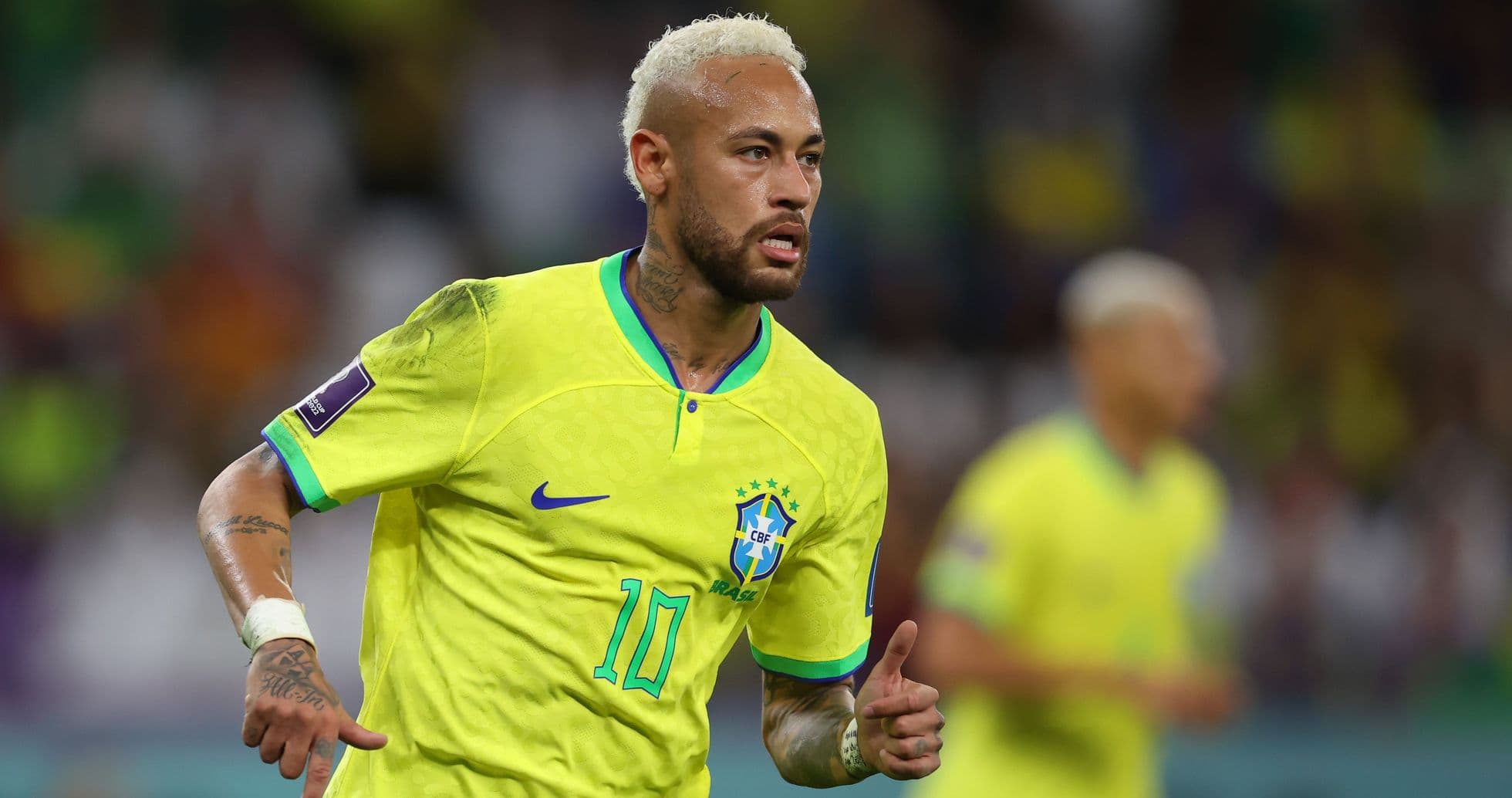
Neymar's Brazil Recall: Nostalgia or Decline?
Carlo Ancelotti’s decision to bring Neymar back into the Brazil squad for the 2026 World Cup was supposed to be a nostalgic flourish, a final act for a generational talent. Instead, it has lit a fire under the global debate about what Brazil are now, and what they want to be.
After three years away from the international stage, the 34-year-old’s recall initially sparked joy across much of his homeland. A last dance for the former Barcelona and Paris Saint-Germain star, the chance to close a turbulent international career on his own terms. The storyline writes itself.
But the romance is already colliding with reality.
Questions over Neymar’s body and Brazil’s ambition have started to drown out the applause. Can a player with his recent injury record and fitness doubts still carry the weight of the shirt? Or does his return say more about Brazil’s decline than his enduring brilliance?
Dugarry tears into “freak show” recall
One of the harshest verdicts has come from Christophe Dugarry, a World Cup winner with France in 1998 and never one to sugarcoat an opinion. For him, the fanfare around Neymar’s recall is not a celebration at all, but something closer to a circus.
He branded the situation a “freak show”, accusing sections of the public and media of mocking a player whose legacy should demand more respect.
“These celebrations aren't genuine. I sense a deep mockery behind Neymar's selection. I'm starting to hear things like, 'He'll be injured before the tournament even starts,' or 'He's gained weight'. I think a lot of people are turning him into a bit of a freak show. It bothers me. Neymar is contributing to that,” Dugarry said on RMC Sport.
The criticism cuts on two fronts. It targets those who snigger at Neymar’s fragility and physical condition, but it also points the finger at the forward himself, suggesting he has allowed his career to drift into self-parody.
For Dugarry, this is not just about one player. It is a symptom of something deeper.
“How low Brazil has fallen”
In Dugarry’s eyes, Brazil’s decision to lean again on Neymar after a long absence and repeated fitness struggles exposes a worrying truth: the five-time world champions no longer trust their next generation to lead.
“I don't think it's a good idea. Selecting Neymar demonstrates how low Brazil has fallen. To think that Neymar is just another player is a delusion. I'm not convinced that this boy can still contribute anything to this team,” he added.
That line will sting in Brazil. For a decade, Neymar was the face of the Selecao, the bridge between the golden past and a promised future. Now his name has become a litmus test: are Brazil bold enough to move on, or too scared to let go?
Ancelotti’s choice suggests he still believes Neymar can offer something — leadership, creativity, a moment of genius when the game tightens. Critics see something else: a national team trapped by nostalgia, reaching back to a fading star because the new idols have yet to fully emerge.
The countdown to Granja Comary
The debate will not stay theoretical for long. Brazil’s squad gathers at Granja Comary on May 27, and all eyes will be on Neymar the moment he steps off the bus.
Every training session will be scrutinised. Is he sharp? Is he limping? Has he really “gained weight”, as the more vicious whispers claim? In a camp that should be focused on collective preparation, one man’s body will dominate the conversation.
The schedule leaves little room to hide. Brazil face Panama in a friendly at the Maracana on May 31, a stage where Neymar has known both ecstasy and heartbreak. The noise inside that stadium will tell its own story: forgiveness, doubt, or something in between.
After that, there is no soft landing. The squad heads to North America, where Ancelotti’s team will face Morocco, Haiti and Scotland in Group C at this summer’s World Cup. It is a group that offers danger and opportunity in equal measure. Morocco arrive with pedigree and confidence, Scotland with grit and organisation, Haiti with the freedom of a side with nothing to lose.
For Neymar, it is more than just another tournament. It is a trial in real time.
If he shines, he can bend the narrative back in his favour, at least for a while. If he stumbles, the “freak show” label Dugarry deplores will only grow louder, and the question will hang over Brazil with even more force: is this a team building a future, or one clinging to a past it no longer knows how to replace?