Newcastle United's Summer Transformation: The Arrival of Matias Fernandez-Pardo
Matias Fernandez-Pardo arrived at Newcastle United as the last act of a wild summer – and the timing said everything.
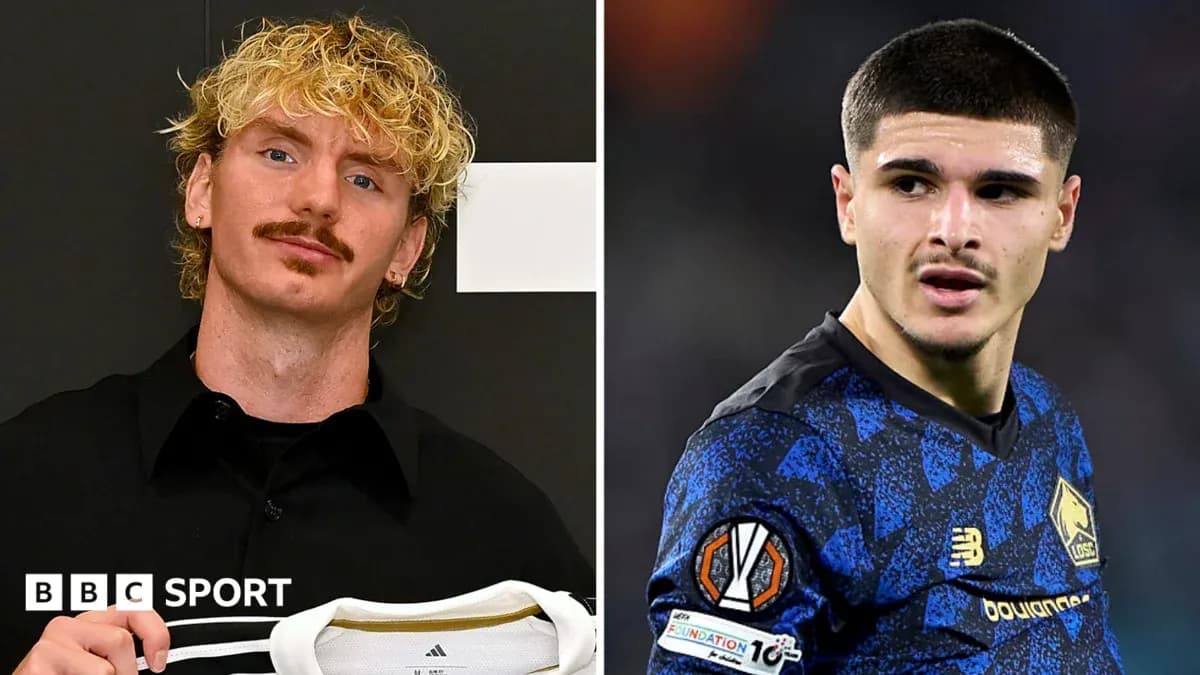
This was not a simple chase. The Belgian forward had been pinned to the top of Newcastle's wish list before the window even opened, yet the deal only crept over the line in the final days after fraught talks with Lille and a structure that took weeks to piece together. By the time it was announced, it felt less like a signing and more like a statement that the club’s reset was complete.
Because deadline day on Tyneside told two very different stories about the future of Newcastle’s attack.
On the same afternoon that Newcastle unveiled the rapid, direct Fernandez-Pardo, they waved off Nick Woltemade, the towering club-record signing, as he finalised a loan move to Juventus. Woltemade had only landed at St James’ Park last summer. Now he was gone, at least temporarily, a symbol of how quickly the ground has shifted under this squad.
The change has not stopped at the dressing-room door. Eddie Howe, the man who had fronted the club’s revival, stepped down in July. His replacement, Matthias Jaissle, arrived just weeks before the new campaign, handed a squad that was already being taken apart and rebuilt at speed.
Bruno Guimaraes, the heartbeat of the side and the player many assumed would be the last to go, joined the exodus. He was one of several key departures in a window where Newcastle broke their own records for both spending and sales. Eight new faces came in. The team that had carried them through the last phase of the project has been scattered.
This was the summer that changed what Newcastle United look like.
The warning signs were there long before the window opened. In early April, the club confirmed Kieran Trippier would leave at the end of his contract. At 34, he was edging towards the final stretch of his career, but his influence at Newcastle went far beyond his legs. He was a standard-setter, a sounding board, a leader.
"It was emotional for me, of course, because I loved the club so much and Newcastle gave me so much in return," Trippier reflected months later after joining Wolves. "I'll always follow the club and want them to do well but, as a footballer, sometimes, you have to move on. With the utmost respect, I think it was the right time for both the club and myself.
"As I've always said, I wanted to leave in the right manner and show respect to my team-mates, the club and, most importantly, the supporters, who I have a great relationship with."
His exit felt significant. The next two big sales felt inevitable.
Anthony Gordon’s move to Barcelona and Sandro Tonali’s switch to Tottenham did not shock those close to the club. The fees and the timing allowed Newcastle to stay on the right side of financial regulations and reinvest. Painful, yes. But logical in a world where the balance sheet now dictates ambition.
Guimaraes was different. No-one inside the club had seriously entertained the idea of losing him.
Yet the image that lingers from last season is of the Brazilian on the final day at Fulham: exhausted, dropping to the turf, untying his boots before the physio could reach him, glaring towards the bench to come off. The player who had so often dragged Newcastle through games looked spent, emotionally and physically.
It was a snapshot of a bruising domestic campaign. Newcastle finished 12th in the Premier League, miles off the internal projections and, crucially, without the European revenue that had been factored into long-term plans. Talk of a new contract for Guimaraes quickly evaporated. Those close to his camp dismissed the idea. Weeks later, he joined Arsenal in a £75m deal.
After losing Alexander Isak to Liverpool against their wishes last summer, Newcastle had now sold a fourth cornerstone of the team in less than a year.
They did not get everyone they wanted, either. Top targets Victor Munoz and Johan Manzambi chose Liverpool and Aston Villa. Two more reminders that Newcastle are still fighting for status as well as players.
Inside the club, though, there was a refusal to panic.
"Just because one element doesn't go the way you want doesn't mean you abandon the plan," a senior figure said. "We stayed on target, stayed focused, stayed calm and moved on. We didn't do a whole lot of mourning or crying when we had a setback.
"We pivoted to what's next."
What came next, in the final two weeks of the window, may yet define Jaissle’s first season.
Defender Amar Dedic arrived. So did midfielder Nico Gonzalez. Then Fernandez-Pardo, the forward they had always wanted, finally walked through the door. Three young, energetic signings dropped into a squad that suddenly looked lighter but more aggressive.
On the terraces, the mood shifted with them.
Season-ticket holder Adam Widdrington watched the 2-2 draw with Liverpool and the 2-0 win at Tottenham Hotspur and felt the narrative bend.
"Plenty of pundits and other fans had Newcastle earmarked for relegation," he said. "They said, 'Who's the manager? Never heard of him. Who are these young players? You have lost a load of players.'
"I still wouldn't class it as a great transfer window, but I think it's a good one, especially given the context of where it looked like Newcastle were heading in that Bruno dip.
"At that point, it didn't feel like there was so much to inspire the fans, but the last three signings shifted opinion a lot."
The football on the pitch backed that up. Newcastle recorded the most sprints of any side on the opening Premier League weekend – 138 in total. That number matters. It speaks directly to the type of team Jaissle wants and explains why Fernandez-Pardo, with his pace and direct running, fits the model in a way Woltemade never quite did, even when the German was playing well.
Jaissle has already highlighted the new forward’s "explosiveness". That raw power and speed simply were not part of Woltemade’s armoury. The contrast between the two deadline-day headlines could hardly be sharper: one big man out on loan, one jet-heeled 21-year-old in as the face of a faster, more vertical Newcastle.
There will be turbulence. Fernandez-Pardo must adapt to a new league, a new country, a new level of scrutiny. The squad around him is young, still learning, still figuring out how to play under a new head coach in a league that punishes mistakes.
But doubt is not the mood music coming from the technical area.
"We always have hope and belief," Jaissle said before a ball had been kicked this season. "No one can take that away from us."
After a summer that tore up so much of what Newcastle were, that belief is now tied to what they might become – and to whether this reshaped, sprint-heavy, fearless version of the club can carry them somewhere new.